



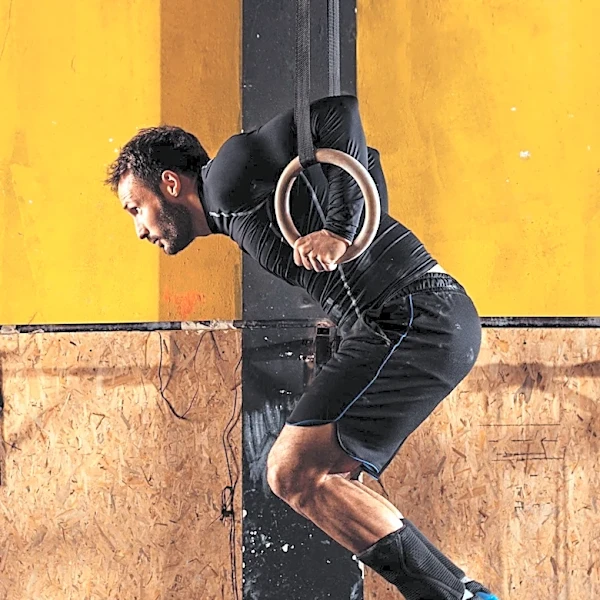




Ballistic training is a specialized form of exercise that emphasizes the acceleration of weight through the entire range of motion. This method is designed to enhance explosive power by minimizing the deceleration phase typically found in standard weight training. By focusing on maximal acceleration, ballistic training aims to condition the body to produce force quickly and effectively, making it a valuable tool for athletes seeking to improve their
performance.
The Mechanics of Ballistic Training
Ballistic training involves exercises that maximize the acceleration phase of an object's movement. For example, in a medicine ball throw, the ball is accelerated throughout the exercise to propel it into the air. This contrasts with standard weight training exercises, where the weight is decelerated and brought to a halt at the end of a repetition. In a bench press throw, the barbell continues to be accelerated as it is thrown into the air, allowing for a more forceful movement.
The key to ballistic training is the continuous acceleration of the weight, which requires the muscles to adapt to contracting very quickly and forcefully. This adaptation involves the central nervous system and muscular system working together to produce the greatest amount of force in the shortest time possible. By focusing on the rate of force development, ballistic training helps athletes become more explosive in their movements.
Benefits and Applications
Ballistic training offers several benefits, particularly for athletes looking to improve their explosive power. By conditioning the body to accelerate more against resistance, athletes can enhance their performance in sports that require quick, powerful movements. This type of training is especially beneficial for activities like jumping, throwing, and sprinting, where explosive power is crucial.
Research has shown that ballistic training can lead to positive increases in vertical jump, throwing velocity, and running speed. These improvements are achieved by emphasizing the recruitment of fast-twitch muscle fibers, which are responsible for generating quick, powerful movements. Additionally, ballistic training can elevate the heart rate to training zone levels, providing cardiovascular benefits as well.
Considerations and Safety
While ballistic training can be highly effective, it is important to approach it with caution. The exercises should be performed with proper technique to avoid injury, as the high-intensity nature of ballistic movements can pose risks if not executed correctly. It is recommended that ballistic training be performed when the muscles are warm to reduce the likelihood of joint damage.
Athletes should also be mindful of the intensity and duration of their ballistic training sessions. Research suggests that performing exercises continuously for a minimum of 20 seconds, followed by a 30-second rest period, can yield the best results. However, it is crucial to stop the exercise when the speed of the lift falls below 90% of the previous lift, as this indicates a significant change in muscle fiber recruitment and the exercise is no longer ballistic.