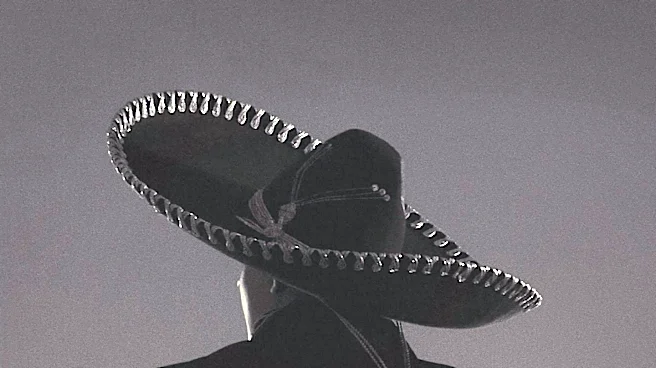



Zorro, the masked vigilante, has been a staple of American fiction since his creation by Johnston McCulley in 1919. Over the years, Zorro has evolved from a silent film hero to a modern cinematic icon, captivating audiences with his daring exploits and charismatic persona. This article explores the transformation of Zorro through various film adaptations, highlighting key milestones in his cinematic journey.
The Silent Beginnings
Zorro made his first appearance on the silver
screen in the 1920 silent film "The Mark of Zorro," starring Douglas Fairbanks. This film was based on McCulley's story "The Curse of Capistrano," which introduced the masked hero. Fairbanks, who also co-wrote the screenplay, brought Zorro to life with his athleticism and charm, setting the standard for future portrayals. The film was a significant success, grossing over $500,000, and established Zorro as a beloved character in American cinema.
The silent film era was crucial in defining Zorro's character traits, such as his Robin Hood-like persona and his iconic "Z" mark. Fairbanks' portrayal emphasized Zorro's swift swordplay and sense of humor, elements that would become synonymous with the character. The film's success paved the way for Zorro's continued presence in popular culture, inspiring numerous adaptations and sequels.
Transition to Sound and Color
The transition from silent films to sound and color brought new dimensions to Zorro's character. The 1940 film "The Mark of Zorro," starring Tyrone Power, marked Zorro's first appearance in a sound film. Directed by Rouben Mamoulian, this adaptation retained the essence of the original while introducing new thematic elements, such as the duality of Don Diego Vega's character.
Mamoulian's film explored the concept of a "double life," with Diego crafting an outward persona that masked his true self. This theme of duality added depth to Zorro's character, making him more relatable to audiences. The film's success reaffirmed Zorro's status as a cinematic icon and set the stage for future adaptations.
Modern Adaptations and Legacy
Zorro's legacy continued into the modern era with films like "The Mask of Zorro" (1998), starring Antonio Banderas. This adaptation introduced a new generation to Zorro's adventures, blending action, romance, and humor. The film's commercial success demonstrated Zorro's enduring appeal and led to a sequel, "The Legend of Zorro" (2005).
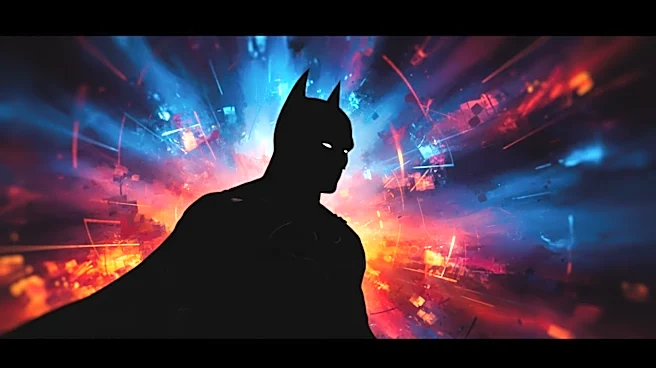
Throughout his cinematic journey, Zorro has remained a symbol of justice and heroism. His influence extends beyond film, inspiring comic book heroes like Batman. Zorro's ability to adapt to changing times while retaining his core characteristics ensures his place in the pantheon of iconic fictional characters.