





Carl Mays, a prominent professional baseball pitcher of the early 20th century, is remembered not only for his impressive career statistics but also for a singular, tragic event that forever marked his legacy. On August 16, 1920, Mays threw the pitch that fatally injured Ray Chapman of the Cleveland Indians, making Chapman the only major league player to die as a direct result of an on-field injury. This incident cast a long shadow over Mays's career and played
a significant role in shaping the future rules of baseball, particularly regarding the use of the spitball. The event highlighted the inherent dangers of the game and brought Mays's already controversial pitching style into sharp, somber focus.
A Pitcher's Reputation and Style
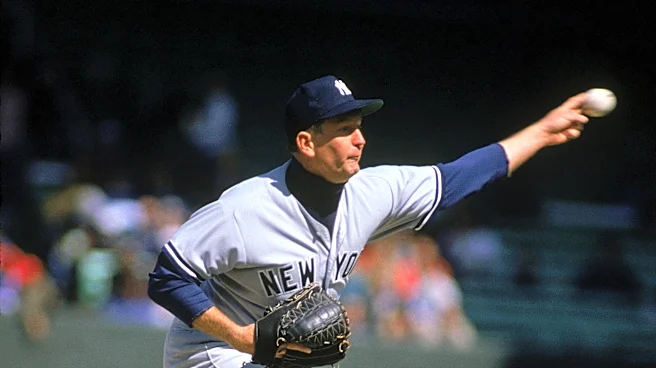
Mays was known for a distinctive and often intimidating pitching style. He employed a submarine pitching motion, which earned him the nickname "Sub." Beyond his unique delivery, Mays was also known to throw a spitball, a pitch that was legal at the time of the Chapman incident. However, his reputation extended beyond just his mechanics and pitch selection. Mays had a habit of throwing inside to any batter who crowded the plate, a practice that often led to hit batsmen. Despite his stellar win-loss record throughout his career, he was typically among the American League leaders in this category, contributing to a perception of him as a "head hunter" among his peers and opponents.
This reputation for throwing inside was not new to Mays in 1920. Early in his career, during his rookie season in 1915 with the Red Sox, he was involved in a heated confrontation with legendary Tigers player Ty Cobb. Mays reportedly threw near Cobb each time he came to bat. In the eighth inning of that game, after another close pitch, Cobb threw his bat in Mays's direction and verbally insulted him. Mays retaliated with a verbal jab of his own, calling Cobb a "yellow dog." After order was restored, Mays hit Cobb directly on the wrist. This incident further cemented Mays's image as a pitcher who was not afraid to challenge batters aggressively, even to the point of hitting them.
The Fateful Day in 1920
The tragic incident involving Ray Chapman occurred during the 1920 season, a year in which Mays had regained his form after a challenging 1919. In 1920, Mays went on to achieve an impressive 26-11 record, including 26 complete games, contributing to the New York Yankees' third-place finish, just three games out of first. However, this successful season would be overshadowed by the events of August 16. The pitch that struck Chapman was a direct consequence of Mays's aggressive style and the conditions of the game at the time.
Chapman's death sent shockwaves through the baseball world and had immediate and lasting repercussions. While the spitball was legal when the incident occurred, Chapman's death was a significant factor in its eventual ban from Major League Baseball. The ban, though not taking effect until 1921, was a direct response to the perceived dangers of such pitches, especially when combined with Mays's known tendency to throw inside. The incident forced a reevaluation of player safety and pitching practices, leading to changes designed to prevent such a tragedy from recurring.
A Legacy Forever Altered
Carl Mays continued to play for many years after the Chapman incident, ultimately compiling over 200 career wins and being a member of four World Series-champion teams. He played 15 seasons in Major League Baseball from 1915 to 1929, with a peak performance of 27 wins in 1921 alone. Despite these significant achievements, the death of Ray Chapman remained an indelible part of his public identity and historical narrative. It ensured that his name would always be linked to the singular tragedy, making him the only major league pitcher to be directly involved in the on-field death of another player.
The incident serves as a stark reminder of the fragility of life and the unforeseen consequences that can arise even in the context of professional sports. For Mays, it meant that his considerable talent and success were perpetually viewed through the lens of that fateful August day. His career, marked by both brilliance and controversy, became a cautionary tale and a pivotal moment in the evolution of baseball's safety regulations. The tragic pitch not only ended a life but also fundamentally altered the perception of a player and the rules of the game itself.