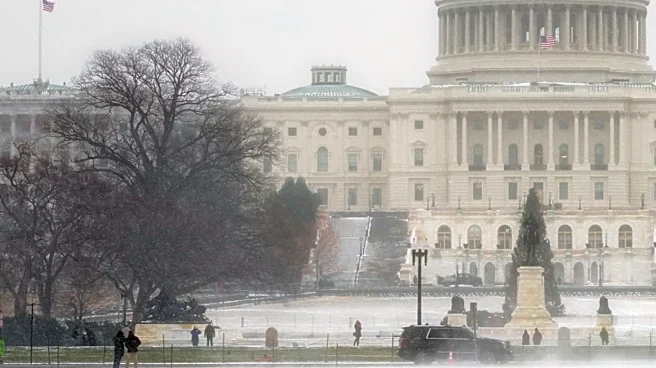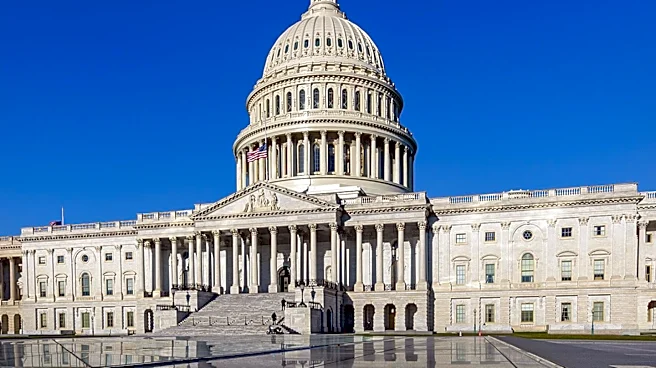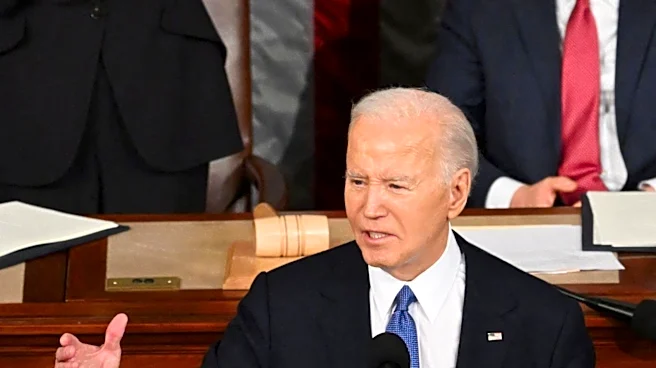











The War Powers Resolution of 1973, often referred to as the War Powers Act, is a significant piece of legislation aimed at balancing the powers of the U.S. President and Congress in matters of military engagement. This resolution was enacted to ensure that the President could not unilaterally commit the United States to an armed conflict without the consent of Congress. It was a response to concerns about the executive branch's growing power in military affairs,
particularly following the Vietnam War.
The Purpose of the War Powers Resolution
The primary goal of the War Powers Resolution is to check the President's ability to engage in military actions without congressional approval. According to the resolution, the President can only send U.S. Armed Forces into action abroad by a declaration of war by Congress or in a national emergency created by an attack on the United States. This requirement was designed to prevent the President from unilaterally involving the country in prolonged military conflicts.
The resolution mandates that the President must notify Congress within 48 hours of deploying troops. This notification must include the circumstances necessitating the use of force, the constitutional and legislative authority under which such introduction took place, and the estimated scope and duration of the hostilities. This ensures that Congress is kept informed and can exercise its constitutional role in matters of war.
Limitations and Requirements
One of the key provisions of the War Powers Resolution is the requirement for the President to withdraw forces within 60 days unless Congress has declared war or granted an extension. This 60-day limit is intended to prevent prolonged military engagements without congressional oversight. If Congress does not authorize the use of force or declare war, the President must terminate the use of armed forces.
The resolution also allows Congress to direct the removal of U.S. forces at any time through a concurrent resolution. This provision underscores the legislative branch's authority to oversee and control military engagements, ensuring that the President cannot bypass Congress indefinitely.
Impact and Controversies
Since its enactment, the War Powers Resolution has been a subject of debate and controversy. Some Presidents have viewed it as an unconstitutional restriction on their powers as Commander-in-Chief. They argue that it infringes on the executive branch's ability to respond swiftly to international threats. Despite these criticisms, the resolution remains a crucial mechanism for maintaining a balance of power between the executive and legislative branches.
The War Powers Resolution has been invoked in various conflicts, highlighting its ongoing relevance in U.S. foreign policy. While its effectiveness and constitutionality continue to be debated, the resolution represents a significant effort to ensure that decisions about military engagement are made with the input and oversight of both the President and Congress.