


The Concert in Central Park, held on September 19, 1981, was an event of unprecedented scale, drawing over half a million people to New York City's iconic green space. This free benefit concert, featuring the legendary folk-rock duo Simon & Garfunkel, transcended a typical musical performance to become a cultural phenomenon. From the early morning hours when attendees began arriving to secure their spots, to the diverse setlist performed by the reunited
duo, the concert was a testament to the enduring appeal of live music and the power of a shared experience.
An Unprecedented Gathering
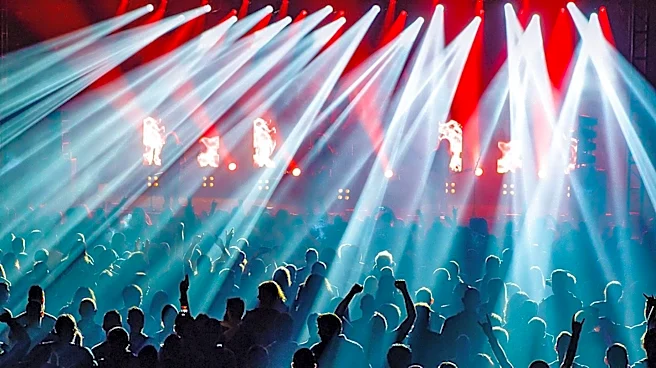
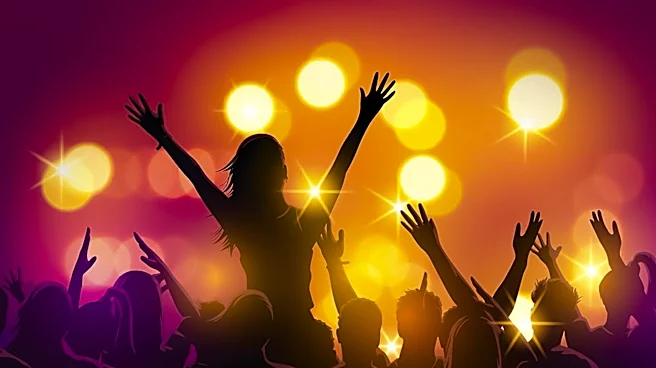
The concert took place on the Great Lawn, the central open space of Central Park, on a Saturday. Spectators started arriving at dawn to claim prime viewing locations, many bringing provisions, chairs, and picnic blankets. Park authorities had initially anticipated around 300,000 attendees. However, despite rain that began during the day and only ceased just before the concert started, the final turnout exceeded 500,000 people. This made it one of the most heavily attended concerts of all time, surpassing even the numbers seen at Woodstock, with MTV reporting in 2011 that only six concerts had ever attracted more visitors.
The Stage and the Setlist
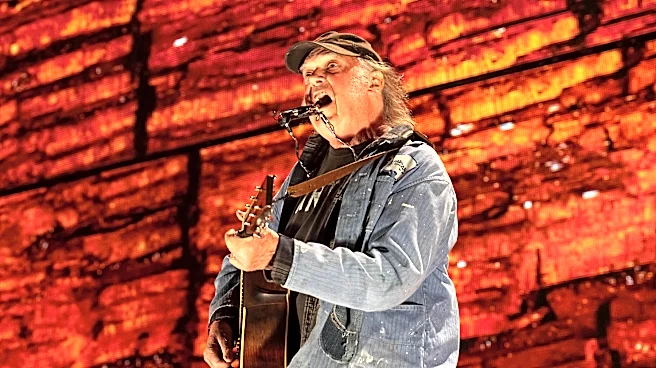
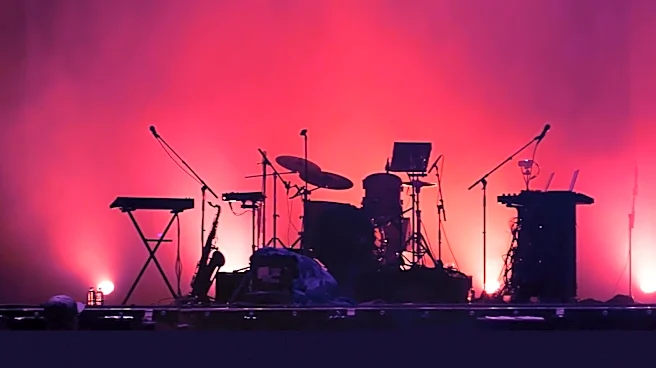
As dusk approached, the backing musicians took the stage. The stage design itself was notable, resembling an urban rooftop landscape complete with water towers and exhaust vents, symbolizing the New York City skyline. New York Mayor Ed Koch then briefly introduced the duo, simply stating, "Ladies and gentlemen, Simon and Garfunkel!" The pair emerged from a side door of the stage structure, exchanged a quick glance and a handshake in the center, and then opened the concert with their 1968 number-one hit, "Mrs. Robinson."
After the second song, "Homeward Bound," Paul Simon delivered a short address, expressing his delight at performing a "neighborhood concert." He thanked the police, fire department, park management, and finally, Mayor Koch. The mention of Koch, who was associated with the threat of park closure, initially drew boos from the audience. However, as Simon continued, the ironic tone of his gratitude became clear, and applause erupted. The duo performed 22 songs in total, a mix of their greatest hits, covers, and selections from their solo careers. Two of these songs were not included in the subsequent live album release.
Memorable Moments and Audience Interaction
The concert featured several memorable moments. During Simon's performance of "The Late Great Johnny Ace," a previously unreleased song that would appear on his 1983 solo album "Hearts and Bones," he was briefly interrupted by a man who rushed the stage, exclaiming, "I need to talk to you!" Simon stepped back as security removed the individual, then finished the song. This incident resonated with the song's lyrics, which touch upon the deaths of Johnny Ace, John F. Kennedy, and John Lennon, the latter having been murdered just a few hundred meters from the stage approximately nine months prior. Simon later stated he felt no fear, attributing the incident to an intoxicated fan, though his primary concern was that the song's premiere was ruined.
Throughout the evening, the audience responded with applause to lyrics that referenced New York City or were particularly fitting for the concert. For instance, a line from Garfunkel's "A Heart in New York" – "New York, lookin' down on Central Park, where they say you should not wander after dark" – drew a strong reaction, highlighting the park's issues. Similarly, a verse from "The Boxer," not included in the "Bridge over Troubled Water" album version, resonated with the duo's long separation: "After changes upon changes we are more or less the same." The concert concluded with an encore of three songs, including "The Sound of Silence," and a final repeat of "Late in the Evening" after band introductions.