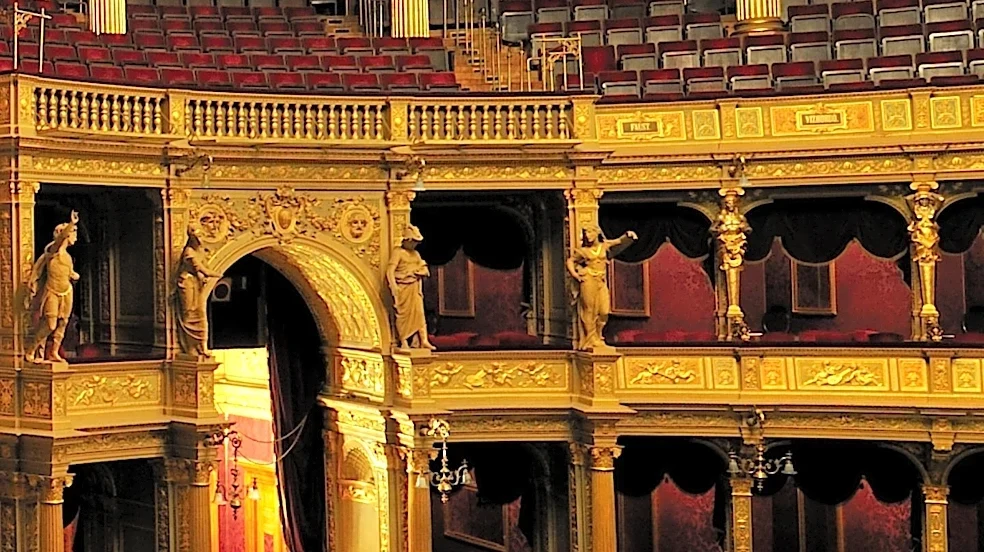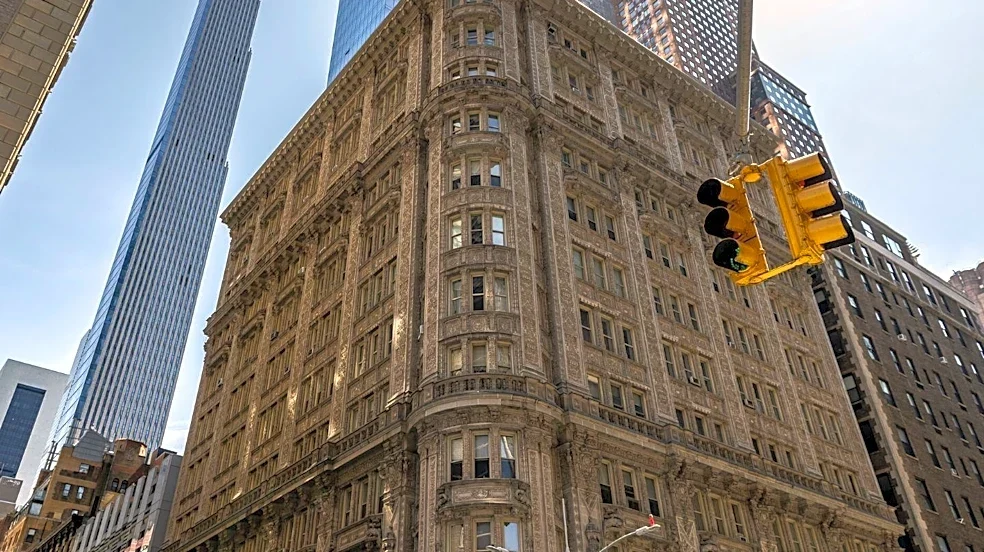






The Metropolitan Opera House, often referred to as the Old Metropolitan Opera House or Old Met, stood as a significant cultural landmark at 1411 Broadway in Manhattan, New York City. Opening its doors in 1883, it served as the inaugural home for the Metropolitan Opera Company. This grand structure, which occupied an entire block between West 39th Street and West 40th Street in the Garment District of Midtown Manhattan, was eventually demolished in 1967.
Its creation was deeply intertwined with the social dynamics of late 19th-century New York, reflecting a shift in the city's elite circles.
The Genesis of the Old Met: A Response to Social Exclusion
Before the Metropolitan Opera House was built, the Academy of Music (AM) was the primary venue for opera, catering predominantly to New York City's established upper classes, particularly those within the exclusive Knickerbocker circle. The eighteen box seats at the AM were highly coveted and symbolized social standing, with Edith Wharton noting that conservatives valued the AM for its ability to exclude "new people." The Vanderbilt family, representing the rising class of industrialists and bankers, attempted to integrate into this elite social scene by offering to fund a remodeling and expansion of the AM's box seats. However, their offer was rejected by the AM's stockholders, highlighting the rigid social barriers of the time.
In response to this exclusion, William Henry Vanderbilt spearheaded a campaign to construct a new opera house. This initiative led to the founding of the Metropolitan Opera Company in 1883. The Metropolitan Opera House officially opened on October 22, 1883, with a performance of Faust. The opening night was a major social event, attended by numerous dignitaries, including members of the Astor and Vanderbilt families, and was prominently featured in a three-column front-page story in The New York Times.
Architectural Design and Initial Public Reception
The original Metropolitan Opera House was designed by J. Cleaveland Cady. Its exterior, characterized by an industrial appearance, earned it the nickname "The Yellow Brick Brewery." Despite the social prominence of its patrons and the ambition behind its construction, the architectural design of the original Metropolitan Opera House did not receive widespread acclaim. Critical reception was largely negative, with one source describing it as "Disappointing ... flat, forceless and ineffective."
Despite the initial architectural criticism, the opera house quickly became a central fixture in New York's cultural landscape. However, its early years were not without challenges. On August 27, 1892, the theater was severely damaged by fire. This catastrophic event led to the cancellation of the 1892–1893 season while the opera house underwent reconstruction, largely rebuilt along its original lines. During this period, the Vaudeville Club, which later evolved into the Metropolitan Opera Club, was established, hosting entertainment in the undamaged sections of the building. This resilience allowed the Old Met to continue its role as a premier opera venue, albeit with a somewhat controversial architectural legacy.