







Rome, the capital of Italy, is a city steeped in history, with a timeline that stretches over 28 centuries. Known for its ancient landmarks and as the center of the Catholic Church, Rome has evolved from a small settlement to a bustling metropolis. This article explores the historical journey of Rome, highlighting key milestones and transformations that have shaped the city into what it is today.
The Founding of Rome
The origins of Rome are shrouded in myth and legend,
with the traditional date of its founding set at 753 BC. According to mythology, Rome was established by Romulus, who used a lagobolon to delineate the regions for taking auspices when founding the city. This symbolic act marked the beginning of Rome's long and storied history.
As Rome grew, it became the center of power for the ancient Roman civilization. By the late 3rd century BC, Rome had expanded its influence throughout Italy, defeating rivals such as Carthage and the Hellenistic kingdoms. This expansion laid the groundwork for Rome's dominance in the Mediterranean region.
Rome's Role in Western Civilization
Rome is often considered one of the cradles of Western civilization and Western Christian culture. Its influence on law, governance, and architecture has been profound, with many modern systems tracing their roots back to Roman innovations. The city's role as the center of the Catholic Church further solidified its importance in shaping Western culture.
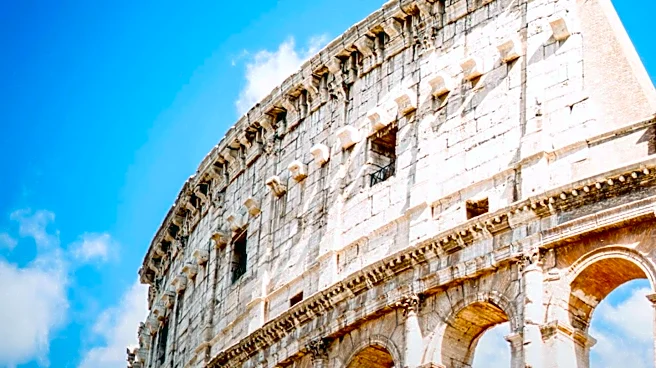
Throughout its history, Rome has been a hub of archaeological research, with numerous ancient sites such as the Forum Romanum, Trajan's Market, and the Colosseum. These landmarks serve as reminders of Rome's rich cultural heritage and its contributions to the development of Western civilization.
Modern Rome
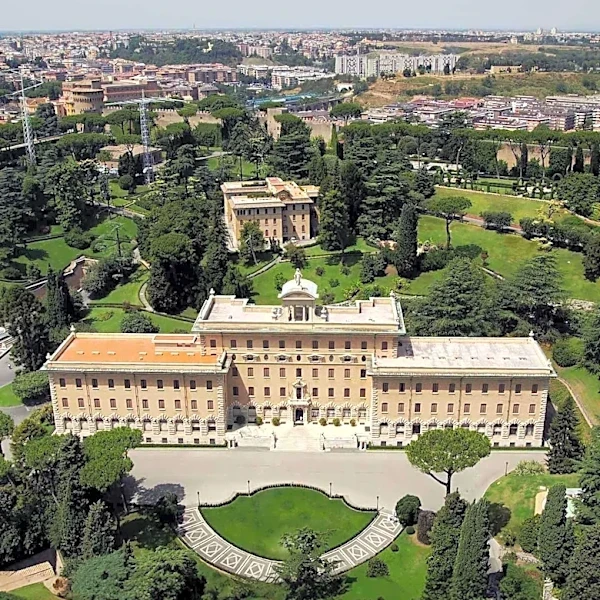
Today, Rome is a vibrant city with a population of over 2.8 million people. It serves as the capital of Italy and the Lazio region, and is the center of the Metropolitan City of Rome. Despite its modernity, Rome continues to honor its historical roots, with the Vatican City remaining an independent city-state within its boundaries.
Rome's historical evolution is a testament to its resilience and adaptability. From its mythical founding to its current status as a global city, Rome has continually reinvented itself while preserving its rich cultural legacy. As one of the world's most iconic cities, Rome's history continues to captivate and inspire people around the globe.