




In the adrenaline-fueled world of motorsports, the pit stop is a ballet of precision and speed, where highly trained crews execute complex tasks in mere seconds. Far from a simple break, it's a critical operation involving specialized roles, advanced equipment, and intense coordination. From Formula One's lightning-fast tire changes to NASCAR's strategic refueling, each racing series has developed unique procedures and personnel to maximize efficiency
and minimize downtime. Understanding the intricate mechanics of a pit stop reveals the dedication and skill required to gain a competitive edge on the track.
Formula One: The Pinnacle of Pit Stop Efficiency
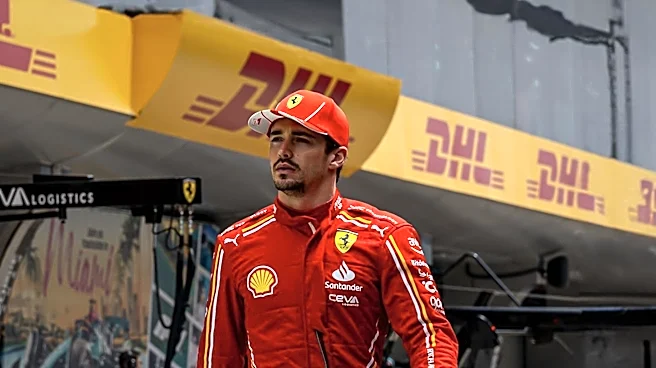
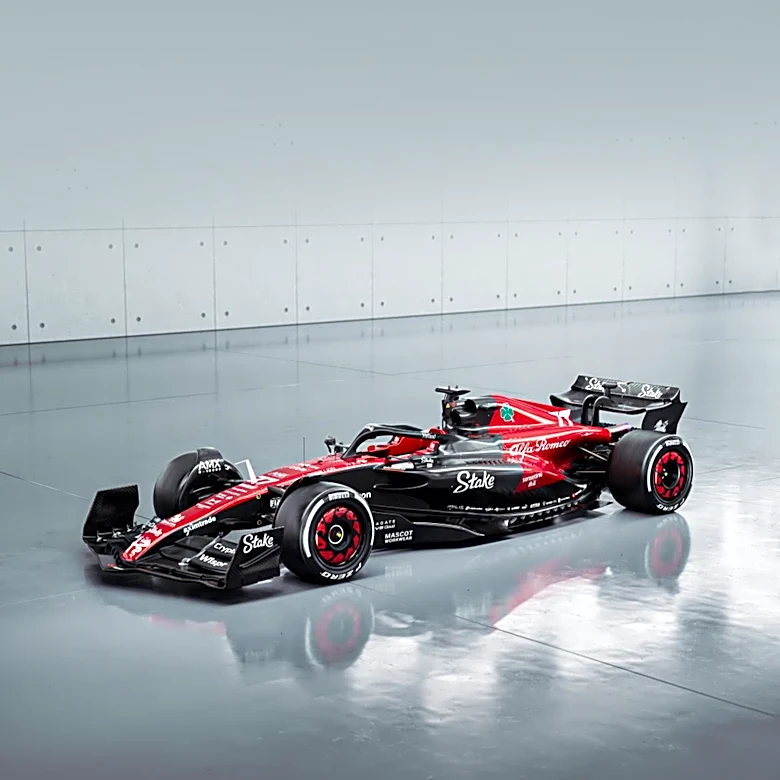
Formula One pit stops are renowned for their incredible speed, often completed in approximately three seconds. This rapid turnaround is the result of a highly specialized crew, with each member having a distinct role. Four wheel-gunners, one for each corner of the car, use pneumatic wrenches to remove and reinstall the single locking lug nut on each tire. Eight tire carriers, two per wheel, are responsible for swiftly removing the old tire and positioning the new one. Two stabilizers steady the car on each side.
The front wing men are ready to adjust the front wing angle for downforce or even replace the entire front wing assembly if damaged. The front and rear jack men use lever-type jacks to lift the car. The front jack man's position is considered particularly hazardous, as he stands directly in front of the car as it enters the pit box. A fire extinguisher man is always on standby, a role that became standard after a 1994 pit fire. Historically, a "lollipop man" signaled the driver, but this role has largely been replaced by a traffic light system. With refueling banned since 2010, the refueling man's role is no longer necessary, and modern F1 cars' anti-stall systems have also made the starter man's role largely obsolete.
NASCAR: A Different Approach to Pit Lane Operations
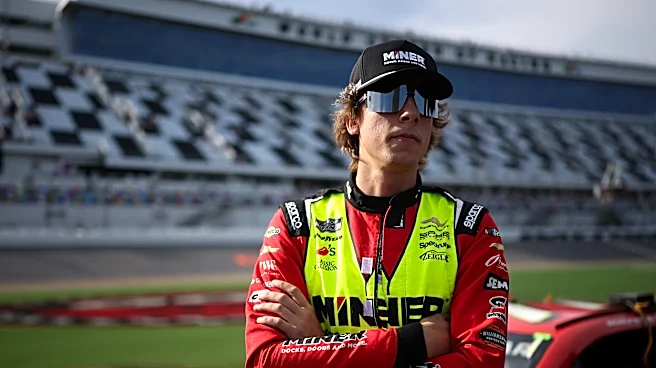
NASCAR pit stops, while also focused on speed, differ significantly from Formula One due to different regulations and car designs. NASCAR rules limit teams to five individuals "over the wall" to service a car. These include the crew chief, who leads the operation and calls strategy, and the car chief, who manages the crew and ensures compliance with NASCAR's inspection requirements. The jackman quickly raises each side of the car with a 22-pound floor jack, also assisting with tire removal and installation. Two tire changers, one for the front and one for the rear, use impact wrenches to handle the five traditional lug nuts on each wheel. The fueler fills the car with Sunoco Green E15 racing fuel using a special gas can, and may also help pull old tires. The tire carrier brings new tires over the pit wall and removes/installs front tires, also managing old tires and potentially cleaning the windshield or adjusting grille tape.
NASCAR does not permit pit road-specific rev limiters, unlike many other racing forms, due to a long-standing opposition to adding electronic components to cars. Instead, drivers learn the appropriate RPM for pit road speed. Pit stops for four tires and fuel can take 12 to 16 seconds, while a "splash and go" for minimal fuel might be as quick as 2 to 3 seconds. Pit road safety rules also dictate that outside tires removed from a vehicle must be hand-directed to the inner half of the pit box before being released, rather than free-rolled to the pit wall.
IndyCar and Endurance Racing: Varied Pit Stop Demands
IndyCar pit stops are a blend of complexity and speed, allowing seven mechanics over the pit wall. These stops involve refueling from large pitside fuel tanks and changing tires, which are affixed with a single lug nut for faster changes. Cars are lifted by built-in pneumatic jacks. A unique rule prevents the car from running over the impact wrench's feed hose, influencing the positioning of the fourth tire changer. After tire changes, front tire changers may adjust the front wing angle or remove debris. A crew member behind the wall may offer the driver refreshment, and since the introduction of the Aeroscreen, a seventh crew member is permitted to remove tear-offs for clearer vision.
Endurance racing pit stops, such as those in the 24 Hours of Le Mans, are typically more extended affairs, reflecting the need for more comprehensive maintenance over long periods. While still efficient, these stops can include major aerodynamic changes, replacement of wear-limited parts like brake pads, and mandatory driver changes. Rules vary, with the Automobile Club de l'Ouest (ACO) allowing five mechanics and requiring the engine to be shut off during fueling, while IMSA allows four mechanics and does not mandate engine shutdown during fueling. These longer stops highlight the different demands and strategic considerations inherent in various forms of motorsports.