




The American biscuit, a cornerstone of comfort food, extends far beyond a single, simple recipe. While its core identity as a quick bread with a firm exterior and soft interior remains consistent, the world of biscuits encompasses a surprising array of variations in preparation, ingredients, and culinary applications. From the classic rolled biscuit to the uniquely named "cat head" biscuit, and from plain accompaniments to integral components of complex
dishes, biscuits demonstrate remarkable versatility in the U.S. kitchen.
Fundamental Ingredients and Preparation Methods
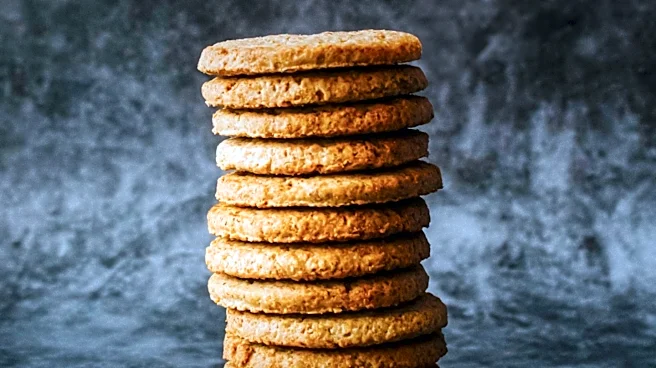
At its heart, a modern American biscuit typically includes flour, a leavening agent (baking powder, baking soda, or both), salt, a solid fat such as butter or shortening, and a liquid like milk or buttermilk. These ingredients, when combined, create the characteristic texture that defines a biscuit. The percentages of these components can vary widely, often reflecting family traditions passed down through generations. Biscuits are predominantly savory, with sugar being either absent or present in very small quantities, distinguishing them from sweeter baked goods.Preparation methods significantly influence the final form and texture of a biscuit. The most common approach involves rolling out the dough flat and cutting it into rounds. These "rolled biscuits" are known for expanding into flaky, layered cylinders when baked. Another popular method produces "drop biscuits," which are made by adding more liquid to the dough until it resembles a stiff pancake batter. Small spoonfuls of this dough are then dropped onto a baking sheet, resulting in biscuits with a more irregular shape and a softer, less uniform texture. While most biscuits rely solely on chemical leavening, some unique variations, such as "angel biscuits" or those made with a sourdough starter, also incorporate yeast, adding another dimension to their texture and flavor.
Distinctive Varieties and Flavor Enhancements
The world of American biscuits includes several notable variations, each with its own characteristics. "Cat head biscuits," for instance, earn their name from their substantial size, often comparable to a cat's head, and their somewhat misshapen form. These are typically prepared by rolling the dough flat without creating distinct layers, resulting in a denser, more rustic biscuit. Beyond shape and size, biscuits can also be flavored with additional ingredients. Cheese biscuits, for example, are a popular savory option, made by incorporating grated cheddar or American cheese into the basic dough recipe. Herbs can also be added to create aromatic variations, further expanding the biscuit's flavor profile.For those seeking convenience, mass-produced, ultra-processed refrigerator biscuits offer a quicker alternative to homemade rolled or drop biscuits. These pre-made doughs provide a fast way to enjoy biscuits without the extensive preparation. While traditionally savory, biscuits can also appear in sweet contexts. A sweet biscuit layered with fruit, for example, is sometimes used as a substitute for shortcake in desserts like strawberry shortcake, showcasing its adaptability across different meal courses.