



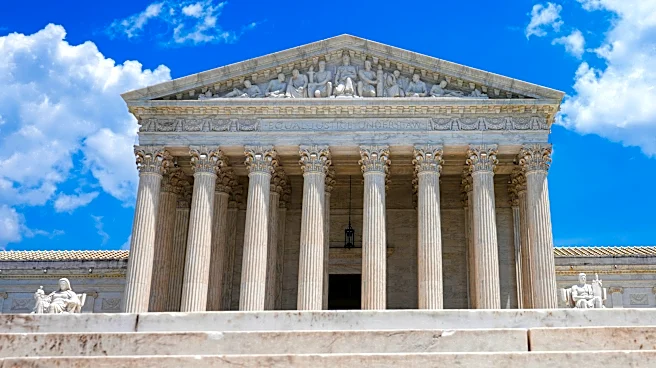




The legal landscape surrounding flag protection in the United States has been shaped by pivotal Supreme Court cases, notably Texas v. Johnson and United States v. Eichman. These cases addressed the constitutionality of laws prohibiting flag desecration, ultimately reinforcing the protection of symbolic speech under the First Amendment. This article explores the legal journey from the Texas v. Johnson decision to the subsequent United States v. Eichman case.
Texas v. Johnson: Setting the Precedent
In 1989, the Supreme Court ruled in Texas v. Johnson that flag burning constitutes symbolic speech protected by the First Amendment. The case arose when Gregory Lee Johnson burned an American flag during a protest at the Republican National Convention in Dallas, Texas. Johnson was convicted under a Texas statute that prohibited flag desecration, but he appealed, arguing that his actions were a form of free expression.
The Supreme Court, in a 5-4 decision, sided with Johnson, stating that the government could not prohibit the expression of an idea simply because it was offensive. The Court emphasized that the First Amendment protects expressive conduct, and the state's interest in preserving the flag as a symbol of national unity did not justify the suppression of free speech. This landmark ruling invalidated the Texas statute and set a precedent for future cases involving flag desecration.
The Flag Protection Act of 1989 and United States v. Eichman
In response to the Texas v. Johnson decision, Congress passed the Flag Protection Act of 1989, aiming to prohibit flag desecration without regard to the message conveyed. However, this law faced immediate challenges, leading to protests and arrests across the country. Demonstrators in Seattle and Washington, D.C., were charged under the new statute, and their cases were consolidated into United States v. Eichman.
The Supreme Court, in another 5-4 decision, struck down the Flag Protection Act, reaffirming the principles established in Texas v. Johnson. The Court held that the federal government, like the states, could not prosecute individuals for flag desecration without violating the First Amendment. The majority opinion highlighted that the government's interest in preserving the flag's symbolic value was related to the suppression of free expression, which could not be justified.
The Ongoing Debate and Legislative Efforts
Despite the Supreme Court's rulings, the debate over flag protection continues. Efforts to pass a Flag Desecration Amendment, which would grant the federal government the authority to prohibit flag burning, have been proposed in Congress multiple times. However, these attempts have consistently failed to secure the necessary support in the Senate.
The legal journey from Texas v. Johnson to United States v. Eichman underscores the complexities of balancing national symbols with the fundamental right to free expression. These cases remain central to discussions on the limits of government authority and the protection of individual rights under the First Amendment.