The dress coat, often colloquially referred to as a tailcoat or simply "tails," stands as the quintessential garment for men's white tie formal occasions. Distinct from other tailcoat variations, this specific coat has, since the 1850s, been reserved exclusively for evening wear. Its intricate design, specific components, and strict pairing with other elements of the white tie dress code make it a fascinating subject for understanding the nuances
of high-level formal attire. Tailors and dress historians consistently use the term "dress coat" to differentiate it, emphasizing its unique place in sartorial history.
Defining Characteristics and Construction
The dress coat is immediately recognizable by its unique silhouette: waist-length in the front and sides, with two long tails extending to the knees in the back. The front of the skirt is squarely cut away, a hallmark feature that distinguishes it from other coat styles. Historically, the coat's construction has evolved; since around the 1830s, it has incorporated a waist seam. This seam is crucial as it allows for significant waist suppression, contributing to the garment's elegant, tailored fit.
Another key design element is the lapels, or revers, which, since the Victorian era, have been faced with silk. This silk facing can be either grosgrain or satin, adding a touch of luxury and formality. While the dress coat is double-breasted in appearance, it has not fastened in the front since the 1870s. This means that the two rows of buttons present on the coat are purely decorative, serving an aesthetic function rather than a practical one. This detail underscores the garment's evolution from functional wear to a highly stylized formal piece.
Pockets and Historical Adaptations
The presence and placement of pockets on a dress coat have also changed over time. Prior to the 1840s, dress coats featured flapped side pockets. However, since that period, outside side pockets have been absent from the design. This removal further streamlined the coat's appearance, contributing to its sleek, formal aesthetic. In the early 20th century, a minor adaptation emerged in America: the acceptance of a welted pocket on the outside of the chest. This pocket was specifically intended to hold a pocket square, a decorative accessory that adds a touch of personal flair to the formal ensemble. Before this period, dress coats typically lacked any outer pockets, maintaining a very clean and uncluttered front.
The Complete White Tie Ensemble
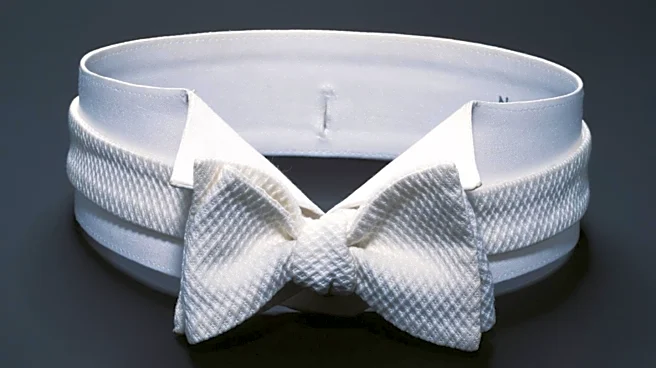
The dress coat is not worn in isolation; it is the central component of the elaborate white tie dress code. When donning a black dress coat for modern white tie, it is paired with a stiff, white wing-collar dress shirt. This shirt features a plain starched bib, which can be either pique or plain-weave, designed to accommodate shirt studs. The shirt also has single cuffs, fastened with cufflinks made of a white metal. Complementing the coat are a matching white marcella cotton or satin silk bowtie and a white waistcoat. The trousers are black, featuring one or two silk galon stripes down the side, adding to the formal aesthetic. For footwear, black oxfords without a toe cap or pumps are traditionally worn. These shoes are expected to be polished to a mirror shine or made of patent leather and are accompanied by black, over-the-calf silk socks. To complete the traditional white tie look, a top hat, a silk dress scarf, and white dress gloves are considered either acceptable or mandatory, depending on the specific occasion and tradition. The top hat, historically made of silk plush, now often uses silk or felt cloth due to material scarcity, maintaining the classic silhouette of this distinguished formal attire.