






While primarily known as a piece of clothing worn on the feet, socks fulfill a surprisingly broad range of functions that extend far beyond simple covering. From critical health benefits like moisture absorption and protection against cold to their evolving role in fashion and their unexpected appearances in cultural and religious practices, socks are a versatile and significant item. Their design and usage reflect both practical necessities and deeper
societal meanings, making them a fascinating subject of study. This article delves into the diverse roles socks play in our daily lives and their broader cultural footprint.
Practical Functions: Health and Protection
One of the most crucial roles of socks is absorbing perspiration. The human foot is a significant producer of sweat, capable of generating over 0.25 US pints (0.12 liters) of perspiration daily. Socks are instrumental in absorbing this moisture and drawing it away from the skin, allowing it to evaporate. This not only enhances comfort but also protects shoes, which are typically more expensive and durable, from the damaging effects of perspiration, thereby extending their lifespan. In cold environments, warm socks are essential for preventing cold feet, which significantly reduces the risk of frostbite. Conversely, thin socks are commonly worn in warmer months to help keep feet cool, demonstrating their adaptability to different climates and conditions.
Socks also provide a protective barrier between the foot and footwear, preventing chafing and blisters. This protective function is particularly important for various types of shoes or boots that are typically worn over socks. The materials used in socks contribute to these protective qualities; for instance, merino wool offers warmth and comfort, while blends with nylon enhance durability and shape retention. The evolution of sock materials, from ancient leather and matted animal hair to modern synthetic blends, has consistently aimed at improving these practical benefits, ensuring feet remain comfortable, dry, and protected in diverse situations.
Fashion, Symbolism, and Social Statements
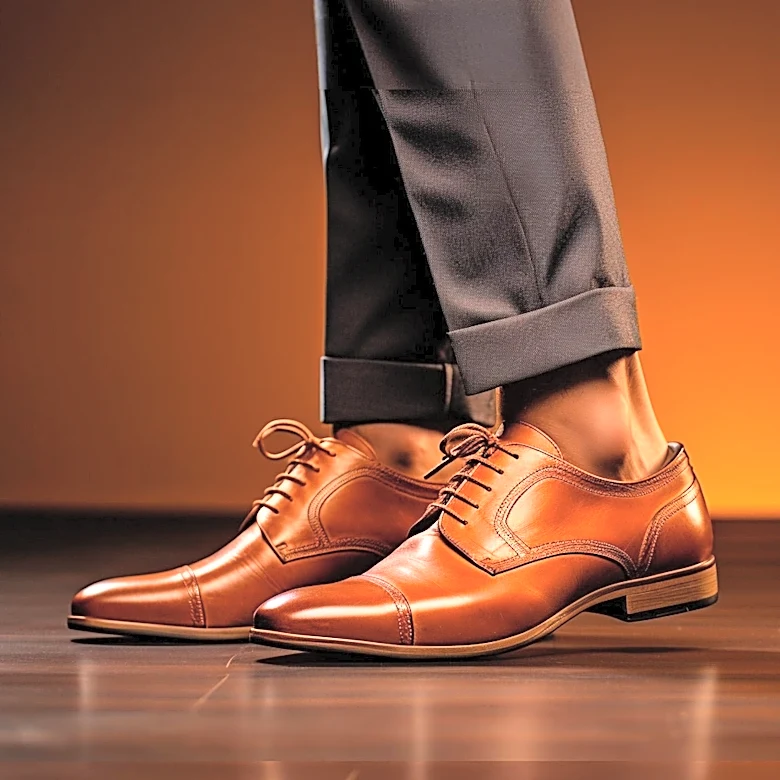
Beyond their utilitarian purposes, socks have a notable place in fashion and can convey social statements. In men's fashion, a traditional guideline suggests wearing light-colored socks with sports shoes and dark-colored socks, often black or navy blue dress socks, with formal footwear. However, contemporary trends show an increasing popularity of fanciful sock designs, indicating a shift towards more expressive and personalized styles. Colored socks can also be part of a uniform for sports, helping to distinguish players and teams when only their legs are clearly visible, highlighting their role in visual identification.
Socks also carry symbolic weight in various cultural contexts. In Christianity, the Christmas stocking is a well-known holiday item, where children hang a large ceremonial sock to be filled with presents by Santa Claus. This tradition imbues socks with a sense of anticipation and festive joy. In a different vein, the combination of "socks and sandals" has become a cultural phenomenon, often associated with specific regional stereotypes, such as immigrants from the former Soviet Union in Israel or a particular fashion in the Pacific Northwest. While sometimes considered unaesthetic, this pairing has also been explored in advertising campaigns and even as a fashion trend, demonstrating how socks can spark debate and define subcultures. The term "grippy socks" has also entered social media slang, referring to non-slip hospital socks, and is used in phrases like "grippy sock vacation" to humorously describe psychiatric hospitalization, showcasing how socks can become part of contemporary cultural lexicon and even contribute to destigmatizing mental health discussions.