



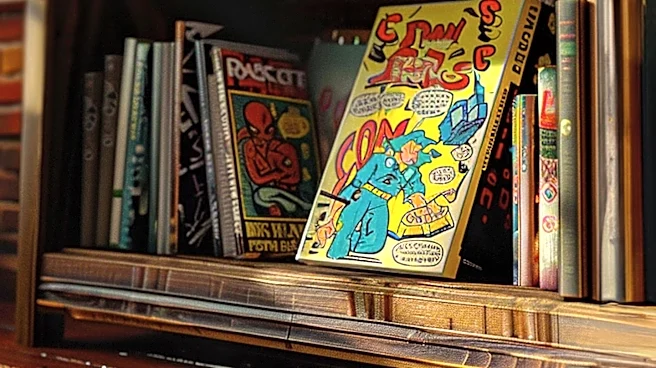
In the world of American comics, the terms "trade paperback" and "graphic novel" are often used interchangeably, yet they represent distinct formats with different origins and purposes. A trade paperback (TPB) is fundamentally a collection of stories that were originally published in individual comic books, then reprinted in a book format. These collections typically compile a complete miniseries, a story arc from a single title, or a series of stories united
by a common theme. They can reproduce the original comic book size, appear in a smaller digest format, or even be released as larger hardcovers. The broader "trade paperback market" refers to the market for any collected edition, regardless of its cover. In contrast, a graphic novel is generally understood to be original material, conceived and created specifically to be published as a standalone book. Understanding these differences is key to appreciating the diverse landscape of comic book publishing.
The Core Distinction: Reprints vs. Original Works
The primary difference between a trade paperback and a graphic novel lies in their content's origin. Trade paperbacks are, by definition, reprints. They gather previously serialized content from monthly or bi-monthly comic books and present it in a more durable, collected format. For many years, trade paperbacks served primarily to make older comic-book stories accessible again, especially those that were scarce or expensive in their original single-issue form. This allowed new readers or collectors to experience narratives that were no longer readily available. The earliest mass-market paperback reprints of American comic book material, such as "The MAD Reader" in 1954, exemplify this function of re-packaging existing content.
Graphic novels, on the other hand, are typically original works. They are conceived as complete, self-contained narratives designed for the book format from their inception, much like a traditional novel. The term "novel" in "graphic novel" emphasizes this aspect of a complete, often longer-form story. While the line can sometimes blur, especially with original graphic novels that later get serialized or collected in different ways, the initial intent of the creator and publisher is usually the defining factor. This distinction is crucial for creators who might approach storytelling differently when crafting a single, cohesive book versus a series of episodic comic issues.
Evolution and Market Impact
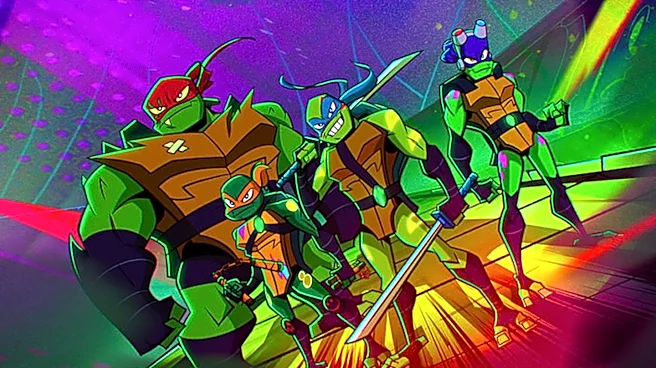
The growth of both trade paperbacks and graphic novels in the 1980s significantly impacted the comic book industry, allowing smaller publishers to flourish. The *Elfquest* series by Warp Graphics, which landed in bookstores as full-color trade paperback collections in 1981, was a pioneering example. It was noted as the first graphic novel series to successfully move beyond the traditional comic book marketplace. This success, alongside that of series like *Teenage Mutant Ninja Turtles* and *Cerebus*, demonstrated a strong reader interest in bound comic book collections, regardless of their specific categorization.
Key works like *The Dark Knight Returns*, *Watchmen*, and Art Spiegelman's *Maus* (published as a collection in 1986) were instrumental in establishing a significant presence for "graphic novels" within the broader book trade. These titles showcased the potential for comics to tell complex, mature stories in a book format, appealing to a wider audience than traditional comic books. While *The Dark Knight Returns* and *Watchmen* were initially serialized, their collection into book format and subsequent impact helped solidify the perception of comics as serious literary works, often blurring the lines between what was considered a collected series and an original graphic novel in the public consciousness.
Modern Trends and Format Blurring
In contemporary publishing, the distinction between trade paperbacks and graphic novels can sometimes feel less rigid due to market practices. Publishers now frequently release trade paperbacks of collected story arcs very soon after their original periodical publication. This allows new readers to easily access entire series. By 2015, it became common for nearly every monthly comic to eventually be collected into a trade paperback or hardcover edition. This trend has led to a massive shift, with graphic novel sales in the book channel surpassing comic store sales for the first time in 2019. This indicates a growing preference for the collected format, whether it's a reprint collection or an original work. While the fundamental definitions remain, the market's embrace of collected editions has made both trade paperbacks and graphic novels essential components of the modern comic book landscape, each serving distinct but sometimes overlapping roles in bringing sequential art to readers.