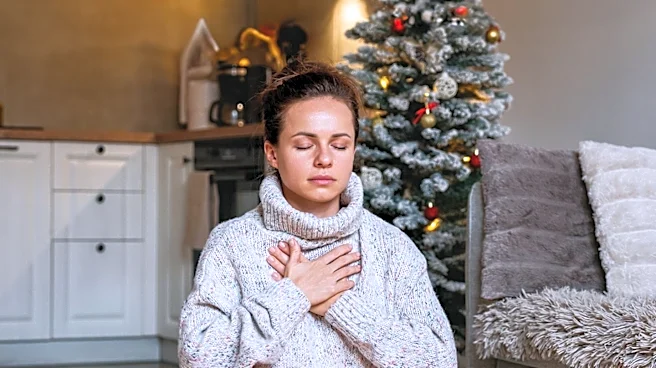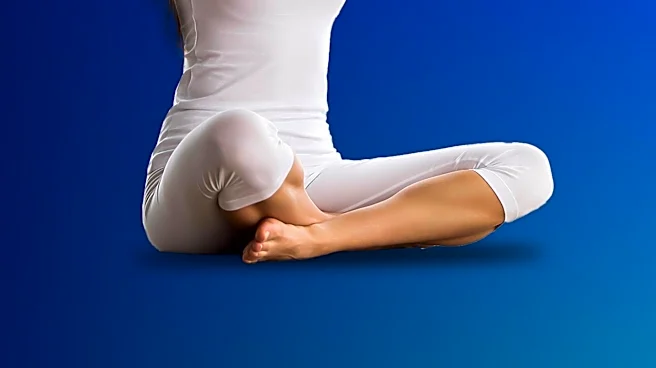

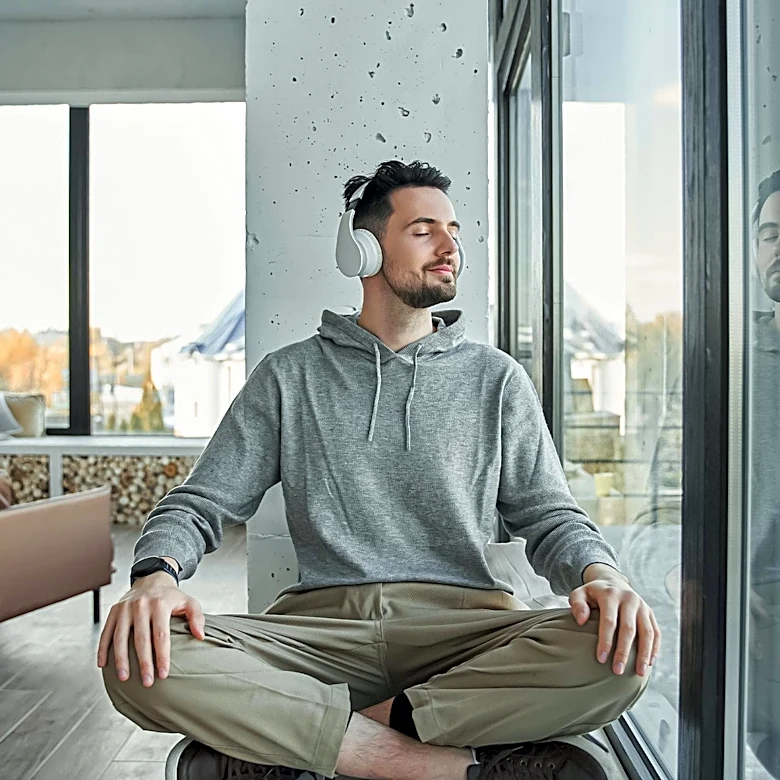

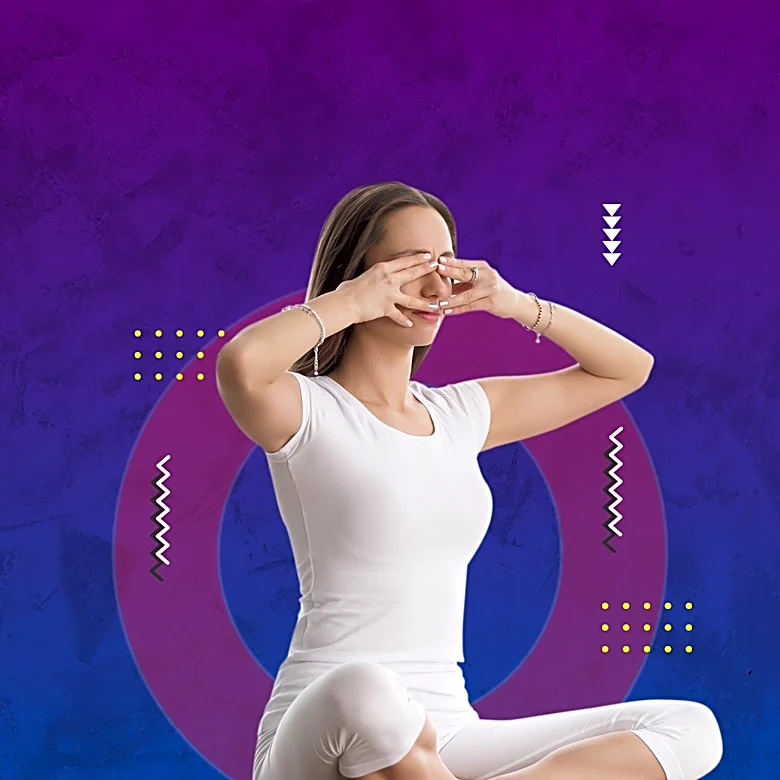
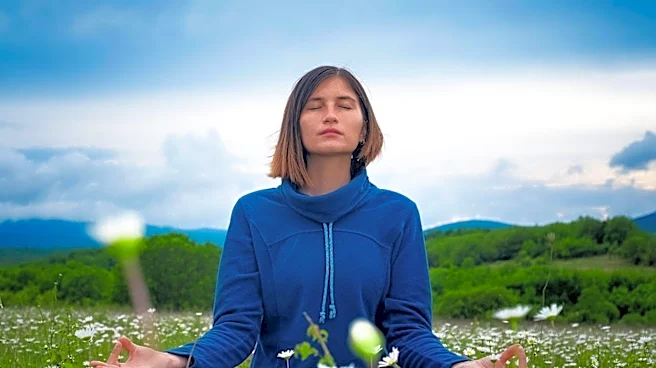
In the practice of yoga, mudras are specialized gestures that play a significant role, particularly when combined with pranayama, which are yogic breathing exercises. These gestures are typically performed while seated in various poses such as Padmasana, Ardhasiddhasana, Sukhasana, or Vajrasana. The primary purpose of mudras is to stimulate different parts of the body and mind, and to influence the flow of prana, or life force energy, within the body.
They are an integral part of a holistic yoga practice, aiming to enhance physical and mental well-being.
The concept of mudras extends beyond simple hand positions, encompassing a variety of forms that serve distinct functions. These gestures are believed to channel and direct energy, helping practitioners achieve specific states of consciousness or physical benefits. Understanding the different categories and applications of mudras is key to appreciating their depth and utility in yoga.
Categories and Types of Mudras
Mudras are broadly categorized into several types, including Hasta (hand), Mana (head), Kaya (postural), and Adhara (perineal) mudras. Each category involves specific actions or positions designed to create particular effects. For instance, Hasta mudras, or hand gestures, are among the most commonly recognized and practiced. Examples include Anjali Mudra, a gesture of reverence where palms touch and fingers point upward, often placed in front of the sternum, forehead, or overhead. Dhyana Mudra, a psychic gesture of meditation, involves upturned hands overlapping, usually with the right hand on top of the left and thumbs touching.
Other Hasta mudras focus on balancing the elements within the body. Vayu Mudra, the psychic gesture of the element air, involves placing the tip of the index finger on the ball of the thumb, with the thumb over the bent finger, while the other three fingers are extended. Similarly, Shunya Mudra, the psychic gesture of void, involves bending the middle finger with the thumb over it. Prithvi Mudra (earth element), Varuna Mudra (water element), and Prana Mudra (life force energy) each involve specific finger arrangements to activate or balance these elements and energies.
Mudras for Consciousness and Energy Activation
Many mudras are specifically designed to influence consciousness and activate life force energy. Jnana Mudra, the psychic gesture of knowledge, involves the tip of the index finger touching the thumb with the palm facing downward, while Chin Mudra, the psychic gesture of consciousness, is similar but with the palm facing upward. These gestures are often used during meditation to foster concentration and inner awareness. Adi Mudra, known as "the first gesture" as held by a newborn baby, involves tucking the thumb into the palm and curling the remaining fingers over it to form a fist.
Further examples include Apana Mudra, which is a psychic gesture of life force where the tips of the middle and ring fingers touch the thumb, with the other two fingers extended. Poorna Mudra, also known as Brahma Mudra, is a gesture of full breath where the thumb is tucked in at the base of the fingers, and the remaining fingers curl over the thumb to form a fist. These fisted hands are then placed under the navel area, with fingers facing upwards and the back of the fingers touching. Such mudras are believed to help in directing and containing vital energy within the body, supporting deeper meditative and breathing practices.
Advanced and Postural Mudras
Beyond simple hand gestures, some mudras involve more complex arrangements or integrate with body postures. Hakini Mudra, for example, involves hand-steepling or finger-tenting, where matching fingertips of the right and left hands are joined. Yoni Mudra, the attitude of the womb or source, involves hands touching by the tips of the thumbs and index fingers, with other fingers either interlaced or folded and pressed together. These more intricate mudras often aim for a more profound energetic or psychological effect.
Postural mudras, or Kaya mudras, integrate the entire body into the gesture, often combining asanas with specific hand and breath techniques. While the provided text primarily details Hasta mudras, the mention of mudras being used in conjunction with various seated asanas like Padmasana and Vajrasana highlights their interconnectedness with the broader physical practice of yoga. The careful application of mudras, whether simple or complex, is a fundamental aspect of traditional yoga, guiding practitioners toward enhanced physical health, mental clarity, and spiritual awareness.