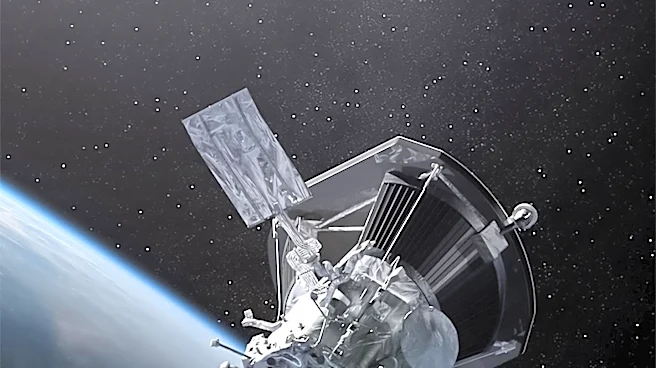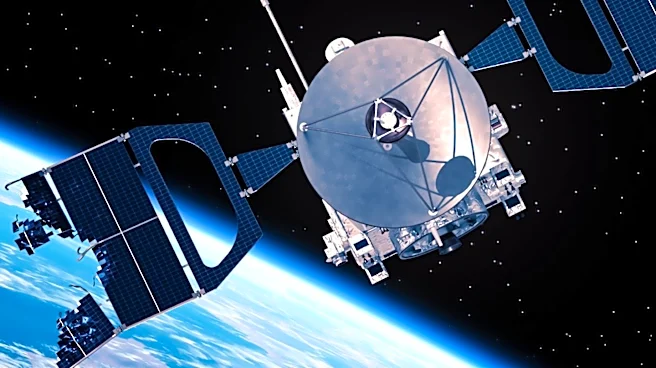


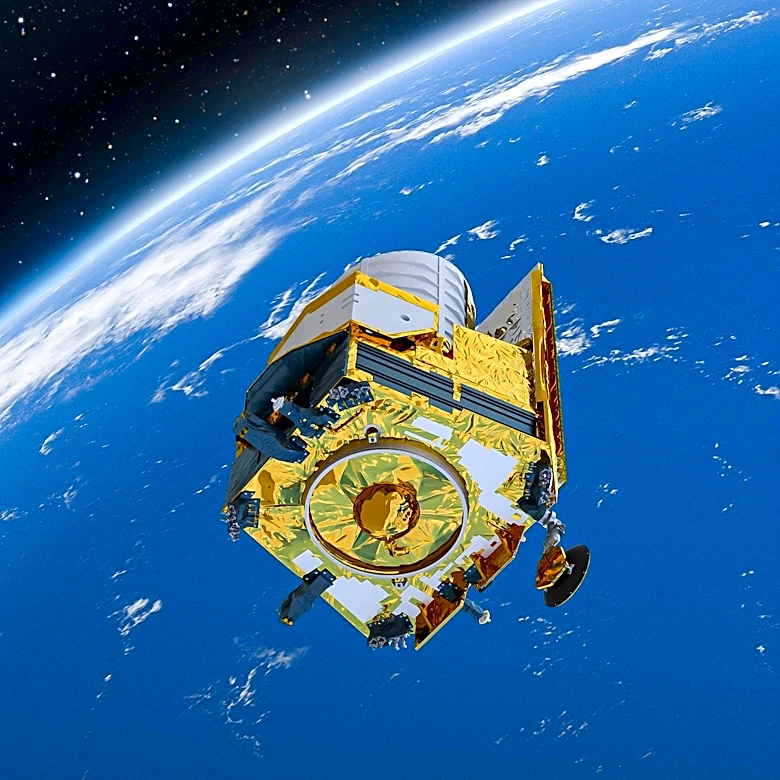

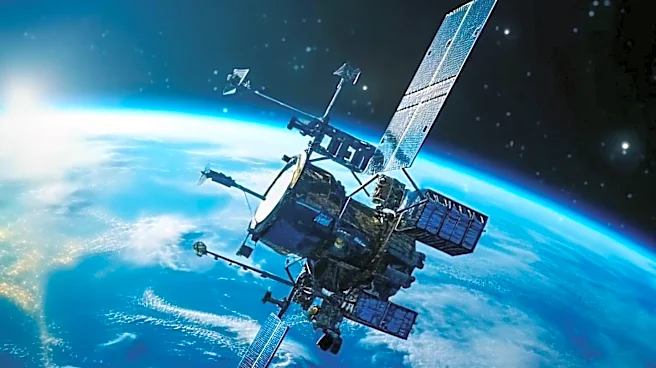
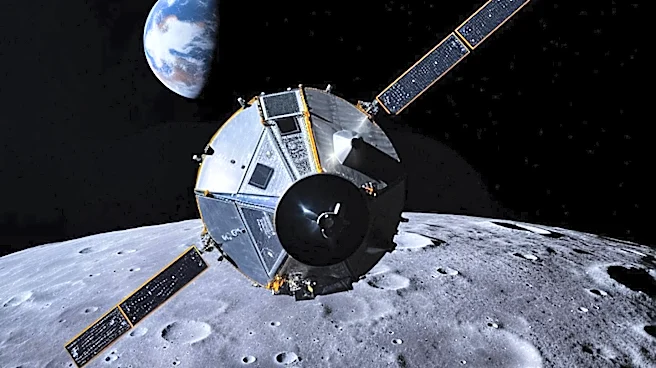
Discoverer 5, also known as Corona 9002, was an American optical reconnaissance satellite launched on August 13, 1959. As part of the Corona KH-1 spy satellite series, it was designed to gather intelligence on Soviet missile and bomber production. Despite its mission challenges, Discoverer 5 featured several notable technical specifications that contributed to its design and function.
Satellite Design
Discoverer 5 was a cylindrical satellite, measuring 1.5 meters in diameter
and 5.85 meters in length. The satellite was battery-powered and had a mass of approximately 3,850 kilograms after second stage separation, including propellants. Upon orbital insertion, the satellite and its Satellite Return Vehicle (SRV) together massed 870 kilograms.
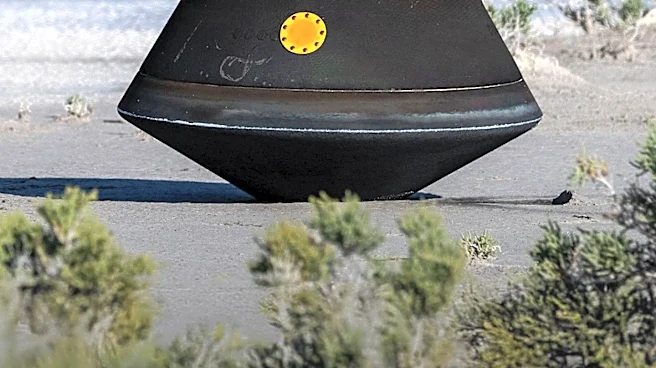
The capsule section of the reentry vehicle was 84 centimeters in diameter and 69 centimeters long. The satellite was equipped with a C camera for its photosurveillance mission. This camera, built by Fairchild Camera and Instrument, featured a f/5.0 aperture and a 61-centimeter focal length, providing a ground resolution of 12.9 meters.
Launch Vehicle and Propulsion
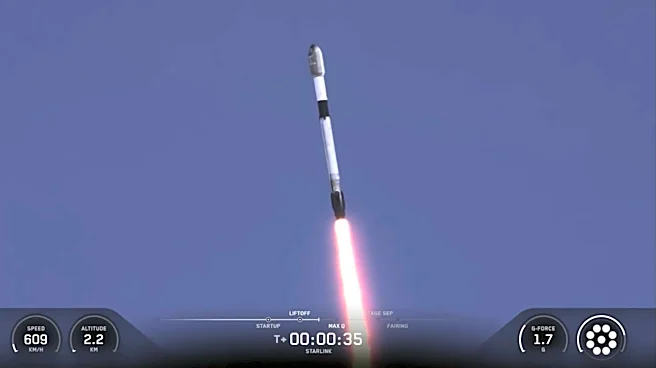
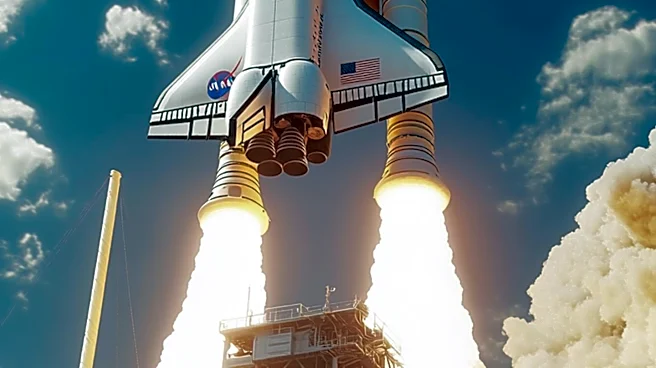
Discoverer 5 was launched using a Thor DM-21 Agena-A rocket from Vandenberg Air Force Base. The Thor rocket served as the first stage, while the Agena-A upper stage provided housing and attitude control in orbit. The Agena-A's engine played a crucial role in stabilizing the satellite and ensuring its proper orientation during the mission.
The SRV was constructed by General Electric and equipped with a solid-fuel retro motor to deorbit at the end of the mission. Recovery of the capsule was intended to be done in mid-air by a specially equipped aircraft. However, the film-return capsule failed to deorbit as planned, preventing the recovery of any captured data.
Mission Objectives and Challenges
The primary goal of Discoverer 5 was to replace the U-2 spyplane in surveilling the Sino-Soviet Bloc. The satellite was intended to gather intelligence on Soviet missile and bomber production, as well as to produce maps and charts for the Department of Defense. Despite the successful launch, the onboard camera failed within the first orbit, and the film-return capsule did not deorbit.
These challenges highlighted the complexities of early satellite missions and the need for robust systems to ensure successful data collection and retrieval. Discoverer 5's technical specifications contributed to the ongoing development of satellite reconnaissance technology, paving the way for more advanced systems in the future.