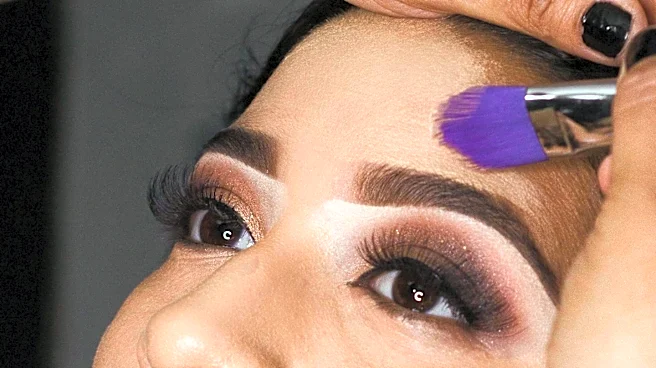








Permanent makeup, also known as PMU or pigmentation, refers to specialized cosmetic tattoos applied to the face to create long-lasting effects such as artificial eyeliners or lip contours. This technique involves implanting pigments into the skin, similar to traditional tattooing, but with a focus on enhancing facial features. The appeal of permanent makeup lies in its ability to provide enduring cosmetic solutions, reducing the daily need for conventional
makeup application. However, like any procedure involving skin penetration, it comes with specific applications, potential risks, and various techniques.
Common Applications of Permanent Makeup
The primary applications of permanent makeup are centered on enhancing facial features. These include the creation of artificial eyeliners, which can define the eyes and give the appearance of fuller lashes. Lip contours are another popular application, designed to improve lip shape, add definition, and sometimes even impart a subtle color. Eyebrows are also a significant area for permanent makeup, especially for individuals with sparse or uneven brows, where techniques can create the illusion of natural hair strokes or a powdered effect.
Beyond these common cosmetic enhancements, the field of permanent makeup has expanded to include paramedical applications. For example, nipple-areola reconstruction, particularly for mastectomy patients, is a significant medical application. This involves tattooing to recreate the appearance of a nipple and areola, which can be a crucial part of the reconstructive process and contribute to a patient's sense of wholeness. The versatility of permanent makeup techniques allows for a range of aesthetic and reconstructive possibilities.
Potential Risks and Considerations
While permanent makeup offers lasting benefits, it is important to be aware of the potential risks involved. Immediately after the procedure, individuals may experience a feeling of tension, redness, swelling, and the leakage of lymph fluid. These are generally temporary reactions as the skin begins to heal. However, more serious risks can include inflammation, infections, and the formation of permanent scars. Proper hygiene and aftercare are crucial to minimize these complications.
Allergic skin reactions to the pigments used are another concern. Although rare, such reactions can range from mild irritation to more severe responses. For individuals prone to cold sores, the procedure, especially on the lips, can trigger an outbreak of herpes labialis. It is also important to note that permanent makeup, like classic tattoos, will fade over time. Furthermore, colors made with organic pigments can change their original hue as they fade, unlike mineral pigments which tend to be more stable in color.
Modern Techniques and Pigment Stability
One notable modern technique in permanent makeup, particularly from Asia, is manual microblading. This method involves using a small handheld tool with tiny needles to create hair-like strokes, especially for eyebrows, giving a very natural appearance. This technique, along with others, relies on the careful implantation of pigments into the skin.
The longevity and color stability of permanent makeup are influenced by the type of pigments used. Mineral pigments are generally known for their stability and tend to fade without significant color changes. In contrast, organic pigments, while offering a wider range of colors, may alter their original shade as they fade over several years. Understanding these differences is important for both practitioners and clients when choosing the appropriate pigments and setting expectations for the long-term appearance of the permanent makeup.