






Milton Friedman, an American Nobel Laureate economist, is widely recognized for his profound influence on economic thought and public policy in the latter half of the 20th century. Born on July 31, 1912, and passing away on November 16, 2006, Friedman championed a philosophy centered on minimizing government's role in the economy. His work provided a robust intellectual framework for free markets, arguing that they are essential not only for economic prosperity
but also for political and social freedom. His ideas, particularly monetarism, challenged prevailing economic theories and reshaped discussions about economic management.
The Principles of Monetarism and Limited Government
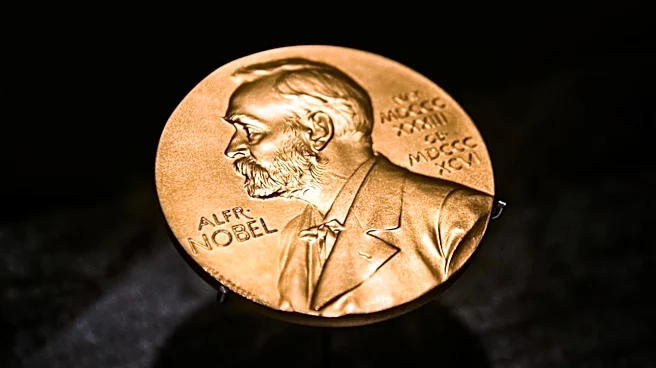
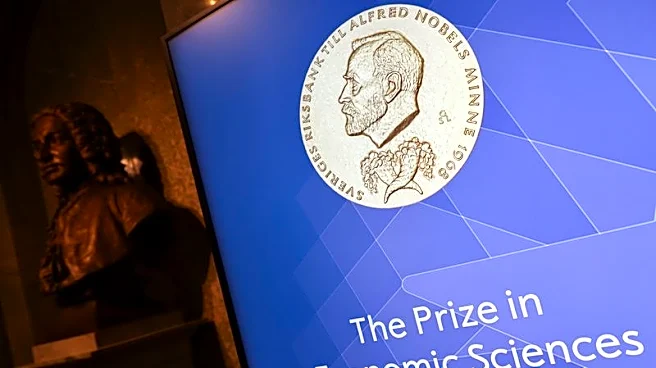
Friedman's most significant contribution to macroeconomics was his advocacy of monetarism. This theory posits that the amount of money the government prints each year has a substantial impact on the economy. He believed that a stable and predictable growth in the money supply was crucial for economic stability, contrasting with more interventionist approaches that favored active fiscal policy. His work in monetary history and theory earned him a share of the Nobel Prize in Economic Sciences in 1976.
Beyond monetary policy, Friedman was a staunch proponent of limited government control over the economy. He consistently argued for policies such as tax cuts and reduced government spending, believing that these measures would foster greater economic freedom and efficiency. His 1962 book, "Capitalism and Freedom," laid out a comprehensive case for minimizing government intervention, asserting that free markets are the most effective means of addressing societal problems.
Influencing Policy and Public Discourse
Friedman's ideas were not confined to academic circles; they significantly influenced political leaders and public policy. He served as an economic advisor to President Ronald Reagan in the United States and also advised British Prime Minister Margaret Thatcher. His recommendations for deregulation, privatization, and a stable monetary policy found fertile ground in the political landscapes of the 1980s, shaping economic reforms in both countries.
His commitment to economic freedom extended to various public policy issues. Friedman advocated for a volunteer military, flexible exchange rates, and the abolition of medical licensing. He also proposed a negative income tax as a more efficient welfare system and was a strong supporter of school choice, funded by tax dollars, believing it would improve educational outcomes. His efforts in promoting school choice led to the founding of the Friedman Foundation for Educational Choice, later renamed EdChoice.
A Legacy of Freedom and Free Markets
Milton Friedman's impact is further highlighted by his popular works, including the 1980 television series "Free to Choose," which explained his views on how free markets operate and their capacity to solve social and political challenges. This series, along with his books and numerous articles, brought his economic philosophy to a wider audience, making him a prominent public intellectual. The Economist described him as "the most influential economist of the second half of the 20th century," a testament to his lasting legacy. His work continues to be studied and debated, underscoring his role as a key figure in the intellectual history of modern economics and a tireless advocate for individual liberty and free market principles.