
Minnesota, often celebrated as the "Land of 10,000 Lakes," is a state defined by its remarkable natural environment. This iconic nickname, while widely recognized, actually understates the true extent of its freshwater abundance, as the state is home to 14,420 bodies of fresh water, each covering at least ten acres. This incredible aquatic landscape is just one facet of Minnesota's diverse ecosystems, which also include vast forests and expansive
prairies, contributing to its unique ecological character and offering a wide array of natural resources.
The Abundance of Water
The sheer number of lakes is a defining characteristic of Minnesota's geography. These numerous bodies of water are not merely scenic features; they play a crucial role in the state's hydrology, ecology, and recreational opportunities. The presence of so many lakes has shaped the state's culture and economy, influencing everything from tourism to local industries. The water boundary with Michigan across Lake Superior in the northeast corner further highlights Minnesota's connection to significant freshwater systems, placing it within the larger Great Lakes region.This extensive network of lakes and waterways supports a rich biodiversity, providing habitats for countless species of fish, birds, and other wildlife. The health and preservation of these aquatic environments are central to Minnesota's environmental identity and ongoing conservation efforts. The state's commitment to its water resources is deeply ingrained in its public image and the lifestyle of its residents.
Forests and Prairies: A Diverse Landscape
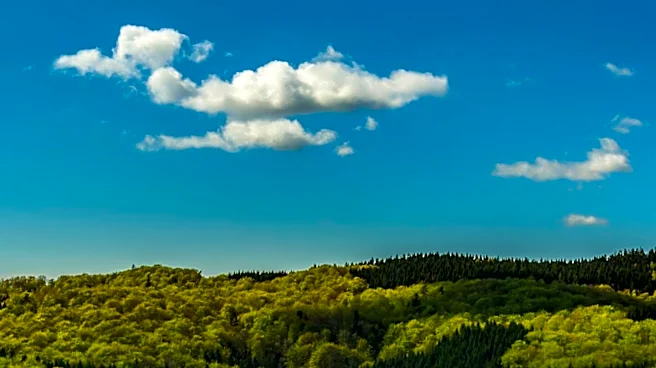
Beyond its lakes, Minnesota's landscape is characterized by a significant proportion of forested land. Roughly a third of the state is covered by forests, particularly in the northern and southeastern regions. These forests contribute to the state's natural beauty, provide timber resources, and offer critical habitats for wildlife. The northern woods, for instance, are not only a source of timber but also a popular destination for recreation, including hunting, fishing, and other outdoor activities.Much of the remainder of Minnesota's land consists of prairie and farmland. The western prairies, once vast grasslands, have largely been converted into agricultural land, reflecting the state's strong agricultural sector. The southeastern part of the state, while historically forested, has also seen areas cleared for farming and settlement. This blend of forests, prairies, and agricultural lands creates a mosaic of ecosystems, each with its own unique characteristics and contributions to Minnesota's overall natural splendor. The interplay between these different land covers underscores the state's ecological diversity and its capacity to support a variety of human activities and natural processes.