






Traction control systems (TCS) have become a crucial component in modern vehicles, enhancing safety and performance by preventing wheel spin. This technology has evolved significantly over the years, becoming a standard feature in many vehicles. Understanding the history of TCS provides insight into how automotive safety has advanced and the role technology plays in vehicle dynamics.
Early Developments in Traction Control
The concept of traction control began with mechanical systems like
the limited-slip differential, which allowed for some wheel spin while transferring power to the non-slipping wheel. This was particularly useful in high-torque, rear-wheel-drive cars. In 1971, Buick introduced MaxTrac, an early electronic system that detected rear wheel spin and modulated engine power to maintain traction. This system was a Buick exclusive and was available as an option on several models, including the Riviera and LeSabre.
By 1979, Cadillac had introduced the Traction Monitoring System (TMS) on the Eldorado. Although it was criticized for its slow reaction and frequent failures, it marked a significant step towards modern electronic traction control systems. These early systems laid the groundwork for more sophisticated technologies that would follow.
Integration with Electronic Stability Control
Traction control systems are often integrated with electronic stability control (ESC), which became more prevalent in the late 20th century. ESC systems use sensors to monitor vehicle dynamics and apply brakes to individual wheels to maintain control. TCS complements ESC by managing wheel spin during acceleration, especially on slippery surfaces.
The integration of TCS with ESC allows for a more comprehensive approach to vehicle stability. When a vehicle's throttle input, engine power, and torque transfer do not match road conditions, TCS intervenes by applying brakes to spinning wheels or reducing engine power. This integration has made vehicles safer and more reliable, particularly in adverse weather conditions.
Modern Applications and Advancements
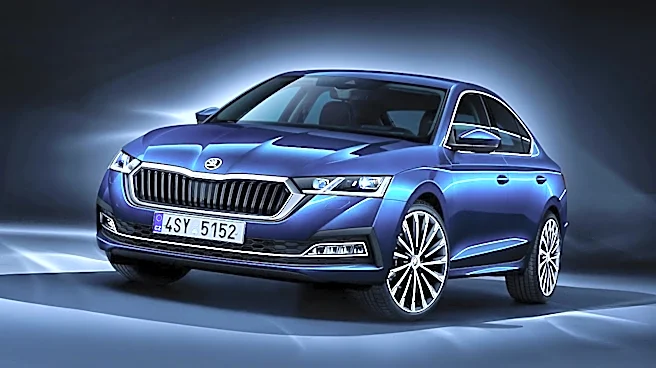
Today, traction control systems are standard in many vehicles, from high-performance sports cars to everyday sedans and SUVs. The technology has advanced to include features like electronic limited-slip differentials and active differentials, which further enhance vehicle handling and safety.
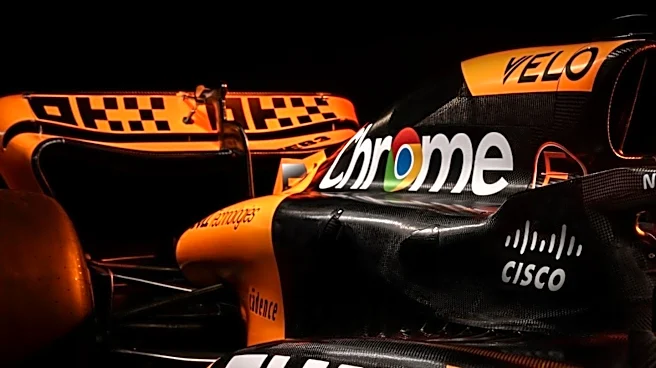
In off-road vehicles, TCS is used alongside or instead of mechanical differentials, providing better control and reducing stress on the powertrain. In race cars, TCS is used to maximize traction during acceleration, allowing for optimal performance without wheel spin.
The evolution of traction control systems reflects the automotive industry's commitment to safety and performance. As technology continues to advance, TCS will likely become even more sophisticated, offering drivers greater control and confidence on the road.