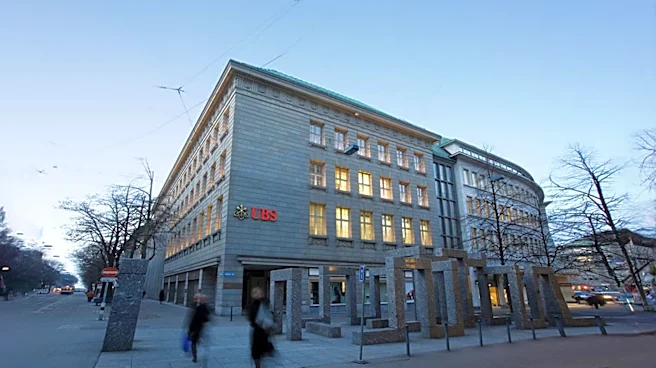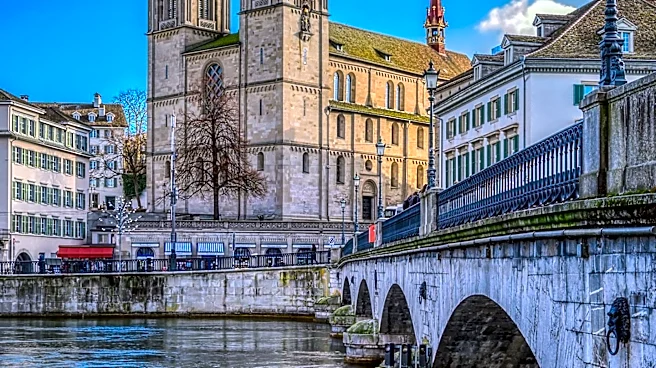










Zurich, today recognized as Switzerland's largest city and a bustling cosmopolitan center, boasts a rich history that traces its roots back to the medieval era. Its journey from a nascent member of the Swiss Confederacy to a modern hub of transportation and culture is marked by significant political developments, territorial disputes, and a continuous evolution of its urban fabric. This historical trajectory reveals a city that has consistently adapted
and grown, shaping its identity over centuries.
Early Integration into the Swiss Confederacy
Zurich's formal entry into the Swiss Confederacy on May 1, 1351, was a pivotal moment in its history. On this date, the city's citizens swore allegiance to representatives from the cantons of Lucerne, Schwyz, Uri, and Unterwalden, solidifying its position as the fifth member. At this time, the Confederacy was not a unified nation but rather a loose alliance of independent states. Zurich's strategic location and growing influence quickly made it a significant player within this alliance.For over five decades, from 1468 to 1519, Zurich held the prestigious role of presiding canton of the Diet. This body functioned as the executive council and primary lawmaking authority for the entire Confederacy, a role it maintained from the Middle Ages until the establishment of the modern Swiss federal state in 1848. This period of leadership underscores Zurich's early political prominence and its central role in guiding the collective affairs of the confederate states.
Conflicts and Urban Expansion
Despite its leadership position, Zurich's path within the Confederacy was not without conflict. In 1440, the city faced temporary expulsion from the alliance due to the Old Zurich War, a dispute with other member states over the territory of Toggenburg. This conflict, which saw neither side achieve a significant victory, eventually concluded with a peace agreement in 1446, leading to Zurich's readmission. Such episodes highlight the dynamic and sometimes turbulent nature of inter-cantonal relations during this formative period.As Zurich moved beyond its medieval political struggles, its physical boundaries began to expand dramatically. The original municipality, prior to 1893, was confined to what is now known as the Old Town. However, the late 19th and early 20th centuries witnessed two major urban expansions in 1893 and 1934. These expansions incorporated numerous surrounding villages that had gradually merged into a larger urban area, transforming Zurich into the sprawling metropolis it is today. This growth was driven by increasing population and economic activity, necessitating a larger administrative and residential footprint.
Modern Connectivity and Cosmopolitanism
Today, Zurich's historical legacy is complemented by its modern status as a major transportation and economic hub. Both Zurich Airport and the city's main railway station are the largest and busiest in Switzerland, serving as critical gateways for national and international travel. This extensive connectivity has fostered a cosmopolitan environment, attracting a diverse population and contributing to its evolving linguistic landscape.While German remains the official language, the use of English has significantly increased, with 14% of the population speaking it in 2024 and 40% using it at work. This linguistic shift, alongside its robust infrastructure and historical depth, positions Zurich as a city that honors its past while embracing a global future. Its journey from a medieval confederate member to a leading European city showcases its enduring capacity for growth and adaptation.