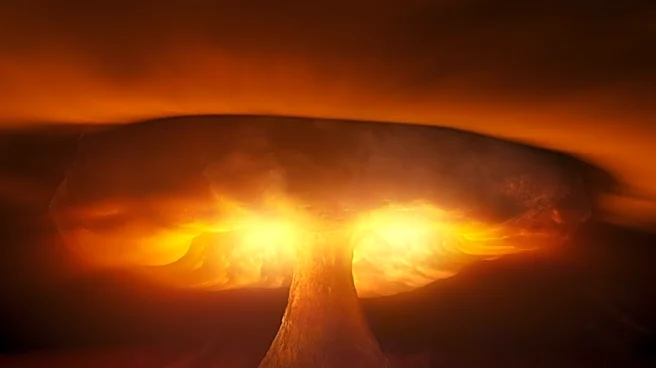







The atomic bombings of Hiroshima and Nagasaki in August 1945 marked a pivotal moment in world history. These events not only brought about the end of World War II but also introduced the world to the devastating power of nuclear weapons. The immediate impact of these bombings was catastrophic, with tens of thousands of lives lost in an instant and cities left in ruins. This article delves into the immediate aftermath of the bombings, focusing on the destruction
and loss of life that occurred.
Destruction in Hiroshima
On August 6, 1945, the city of Hiroshima was the first to experience the destructive force of an atomic bomb. The bomb, known as "Little Boy," was dropped by the U.S. military and detonated over the city, resulting in unprecedented devastation. The explosion obliterated much of Hiroshima, with buildings reduced to rubble and fires raging across the city. The immediate blast killed tens of thousands of people, with estimates of the death toll on the first day alone reaching approximately half of the total casualties.
The acute effects of the bombing were not limited to the initial explosion. In the days and weeks that followed, many more succumbed to injuries and radiation sickness. The infrastructure of Hiroshima was severely damaged, complicating rescue and relief efforts. The city's population was left in shock, grappling with the scale of destruction and the loss of loved ones.
Nagasaki's Tragic Day
Just three days after the bombing of Hiroshima, on August 9, 1945, the city of Nagasaki faced a similar fate. The atomic bomb, known as "Fat Man," was dropped, resulting in massive destruction and loss of life. The north of the city was particularly hard hit, with entire neighborhoods wiped out in an instant. The industrial sector of Nagasaki suffered significant damage, with a large percentage of non-dock industrial production destroyed.
The human toll was staggering, with thousands killed instantly and many more dying in the aftermath. Among the dead were civilians, soldiers, and workers at the Mitsubishi Munitions plant. The bombing of Nagasaki, like Hiroshima, left a lasting scar on the city and its inhabitants, who had to contend with the immediate chaos and the long-term effects of radiation exposure.
The Human Cost
The bombings of Hiroshima and Nagasaki resulted in a profound human cost. In Hiroshima, the acute effects of the bombing killed between 90,000 and 146,000 people, while in Nagasaki, the death toll ranged from 39,000 to 80,000. These figures include those who died on the first day and those who succumbed to injuries and radiation sickness in the following months.
The immediate impact of the bombings was not only measured in lives lost but also in the psychological trauma experienced by survivors. The destruction of entire communities and the loss of family members left deep emotional scars. The bombings of Hiroshima and Nagasaki serve as a somber reminder of the devastating power of nuclear weapons and the profound human suffering they can cause.