



The 1993 Puerto Rican status referendum marked a significant moment in the ongoing debate over the island's political future. Organized by the Puerto Rican government, this referendum saw a more substantial involvement from the U.S. Congress compared to previous votes. The ballot presented three main choices: commonwealth, statehood, and independence. While the commonwealth option secured the largest share of votes, it did not achieve a majority,
underscoring the complex and often divided opinions among the Puerto Rican electorate regarding their relationship with the United States.
Referendum Results and the Plurality Outcome
The results of the 1993 referendum revealed a close contest between the primary status options. The commonwealth choice garnered 826,326 votes, representing 48.89% of the total. Statehood followed closely with 788,296 votes, accounting for 46.64%. The independence option received 75,620 votes, making up 4.47% of the total. A small number of votes, 6,549, were cast for "none of the above," and 4,199 were blank or invalid, though other sources indicate 10,748 invalid/blank votes out of 1,700,990 total votes. The total number of valid votes was 1,690,242 out of 1,700,990 total votes cast. With 2,312,912 registered voters, the turnout for this referendum was 73.54%.
Despite winning a plurality, the commonwealth option did not secure a majority, meaning less than 50% of voters chose it. This outcome indicated that while more people preferred the continuation of the current status, a significant portion of the electorate desired a change. The fact that the current political status, or status quo, failed to receive majority support highlighted the persistent desire for resolution regarding Puerto Rico's long-term political standing.
Congressional Involvement and Ballot Definitions
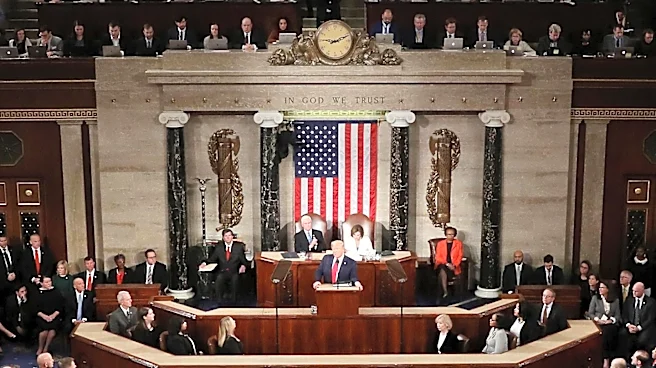
The U.S. Congress played a more substantial role in the 1993 referendum than it had in the 1967 referendum. This increased involvement came after the U.S. Congress failed to approve status legislation, prompting the Puerto Rican government to organize the vote. The initiative for the referendum was spurred by the New Progressive Party (PNP) candidate for governor during the 1992 election campaign, who urged for a status referendum, a proposal the legislature subsequently agreed to.
A critical aspect of the 1993 referendum was how the ballot definitions were formulated. These definitions were crafted by the political parties themselves, rather than by Congress or executive branch officials. This approach meant that neither Congress nor the executive branch intervened to ensure that the alternatives presented to voters would meet constitutional requirements. This "disconnect between the ballot option and constitutional requirements" was later summarized in a House report accompanying legislation introduced three years after the referendum. The report noted that the 1993 definition of "Commonwealth" failed to offer voters status options consistent with full self-government and was misleading, proposing an option that was "unconstitutional and unacceptable to the Congress in almost every respect."
Interpretations and Aftermath
The inconclusive nature of the 1993 referendum, where no option received a majority, led to various interpretations. Some argued that statehood might have suffered the greatest setback, especially considering that the governor and the legislature were members of the pro-statehood PNP, and the referendum itself was a key campaign promise for the governor. Conversely, others contended that advocates for the Popular Democratic Party (PDP), which supported commonwealth, did not achieve a definitive victory because Congress ultimately rejected the commonwealth option as it was presented on the ballot.
In the immediate aftermath, the commonwealth status was again upheld, despite the lack of a clear majority and the constitutional concerns raised by Congress. The outcome underscored the ongoing challenges in resolving Puerto Rico's political status, demonstrating that even with significant voter turnout and increased congressional attention, a consensus remained elusive. The referendum highlighted the deep divisions within Puerto Rican society regarding its future, setting the stage for continued debate and future status votes.