




The 1982 National Football League season stands out in history as a campaign dramatically altered by a players' strike. This labor dispute led to a significant reduction in the regular season schedule, forcing the league to adapt its structure, particularly concerning playoff qualifications. The season, which originally began on September 12, 1982, and was slated to conclude on January 3, 1983, saw its competitive landscape reshaped by the unforeseen
circumstances, ultimately culminating in the Washington Redskins claiming the Super Bowl XVII title.
The Players' Strike and Its Immediate Aftermath
The players' strike commenced immediately following the completion of Week 2 of the regular season. This industrial action by the players' union lasted for 57 days, causing a substantial disruption to the NFL calendar. As a direct consequence of the impasse between the players and the league, games scheduled for Weeks 3 through 10 were canceled outright. This meant that a significant portion of the season, eight full weeks of competition, was lost.
During the strike, the NFL Players Association (NFLPA) attempted to organize exhibition games. Two such games were played: one at RFK Stadium in Washington D.C. and another at the Los Angeles Memorial Coliseum. However, these efforts were met with low attendance figures and unfavorable court rulings, which ultimately compelled the NFLPA to cancel any further planned exhibition matches. The lack of success in these alternative events underscored the impact of the strike on the sport's immediate future.
Resumption of Play and Schedule Adjustments
Once a settlement was reached between the players and the league, the NFL announced its plan to resume the season. Weeks 11 through 16 were played as originally scheduled. To compensate for some of the lost games, the league decided to play the games initially slated for Week 3 following the completion of the resumed regular season, effectively creating a new Week 17. This adjustment also pushed back the start of the playoffs by one week.
Later, the NFL further refined its schedule, opting to use the newly created Week 17 to host various intra-division games that had been canceled during the strike-affected Weeks 3 to 10. This strategic decision was made with the dual goals of increasing attendance at games and attempting to balance the number of home and away games for teams, ensuring that most teams would end up with either five home and four away games or four home and five away games for the shortened season.
Expanded Playoffs and Super Bowl XVII
Given that the 1982 shortened season would consist of only nine regular season contests for each team, the NFL implemented a significant change to its playoff structure. For the purpose of determining playoff qualifications, the traditional three divisions in each of the two conferences were eliminated. Instead, the regular season was followed by an expansion of the playoffs from 10 to 16 teams.
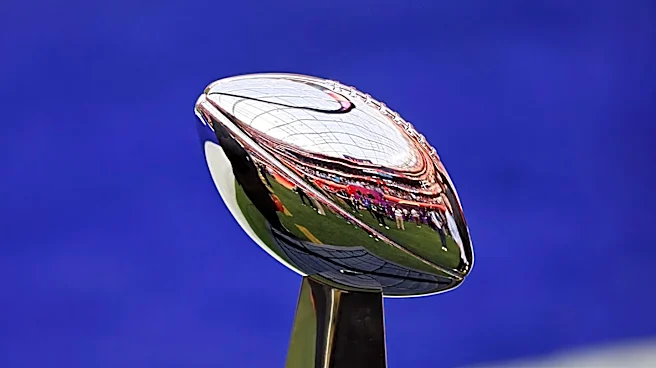
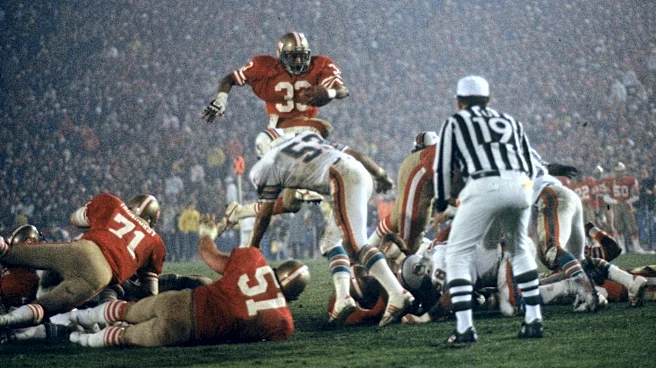
Under this revised format, each conference featured 14 teams competing for 8 playoff spots. Division standings were entirely disregarded in favor of overall conference standings, meaning teams qualified based solely on their win-loss record within their respective conference, regardless of their divisional placement. This unique playoff system led to an exciting postseason, which culminated in Super Bowl XVII. The championship game was held on January 30, 1983, at the Rose Bowl in Pasadena, California, where the Washington Redskins emerged as the Super Bowl winners, defeating the Miami Dolphins, who were the AFC Champions.