





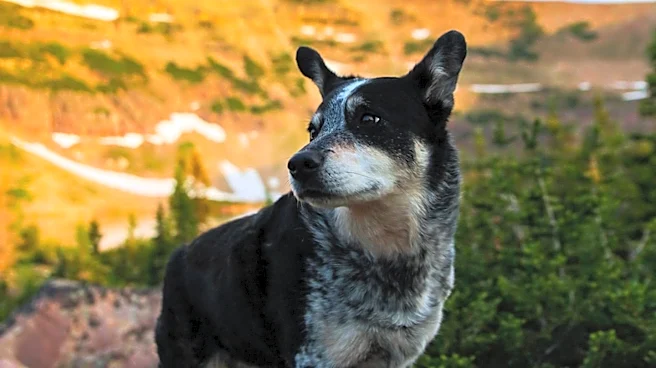
Bathing is a crucial aspect of dog grooming that helps maintain a dog's hygiene and skin health. Whether done indoors or outdoors, the process requires careful attention to detail to ensure the safety and comfort of the dog. This article explores the essentials of dog bathing, including the appropriate settings, water temperature, and the importance of pre-bath grooming.
Indoor and Outdoor Bathing Options
Dog owners have the flexibility to bathe their pets either indoors or outdoors,
depending on their living situation and the dog's needs. Indoor bathing can be done in a sink, walk-in shower, or bathtub, providing a controlled environment that is often more comfortable for both the dog and the owner. This setting is particularly beneficial during colder months when outdoor temperatures might be too low for a safe bath.
On the other hand, outdoor bathing using a garden hose can be a convenient option, especially for larger dogs or those with a lot of energy. However, it is crucial to ensure that the water temperature is warm enough to prevent hypothermia but not so hot that it risks scalding the dog's skin. This balance is essential to keep the dog comfortable and safe during the bath.
Pre-Bath Grooming: A Necessary Step
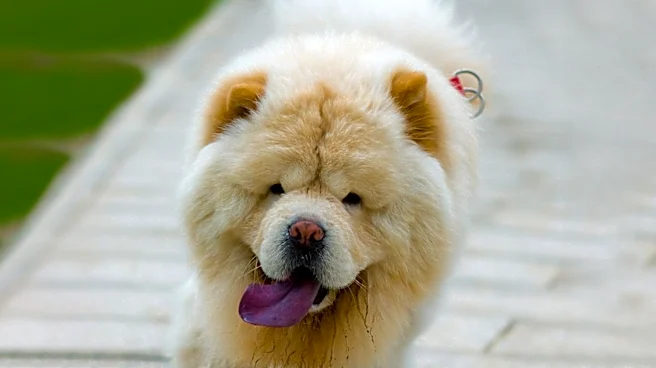
Before bathing a dog, especially those with heavy or matted coats, it is important to engage in pre-bath grooming. This involves thoroughly brushing out the dog's coat to remove any tangles or mats. Bathing a dog with matted fur can exacerbate the problem, making the mats tighter and more difficult to remove.
In some cases, it may be necessary to clip or cut out mats before proceeding with the bath. This step not only makes the bathing process smoother but also ensures that the shampoo and water can reach the skin effectively, promoting better hygiene and skin health.
Choosing the Right Products and Techniques
Selecting the appropriate shampoo and conditioner is another critical aspect of dog bathing. There are many products formulated specifically for dogs, catering to different coat types and skin conditions. For dogs with dense or double coats, pre-mixing the shampoo with water can help achieve a more even distribution, ensuring that the product penetrates the coat thoroughly.
When washing the dog's head, care must be taken to avoid getting grooming products in the eyes, as they can be irritating. Additionally, excess water should be prevented from entering the ear canal to avoid secondary ear infections. Proper rinsing is also vital to remove all shampoo residues, which can irritate the skin if left behind.
In conclusion, dog bathing is a multifaceted process that requires attention to detail and proper preparation. By understanding the essentials of dog bathing, owners can ensure their pets remain clean, healthy, and comfortable.