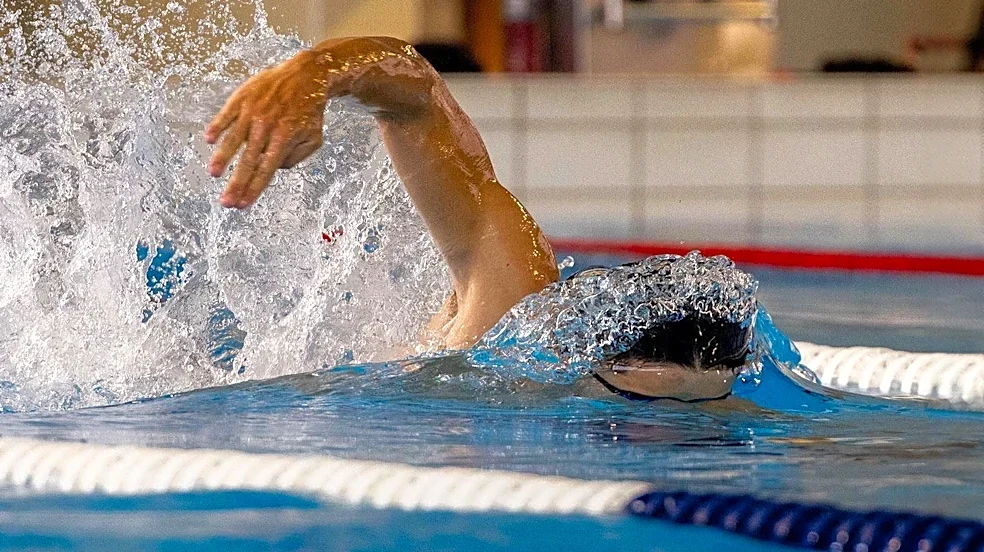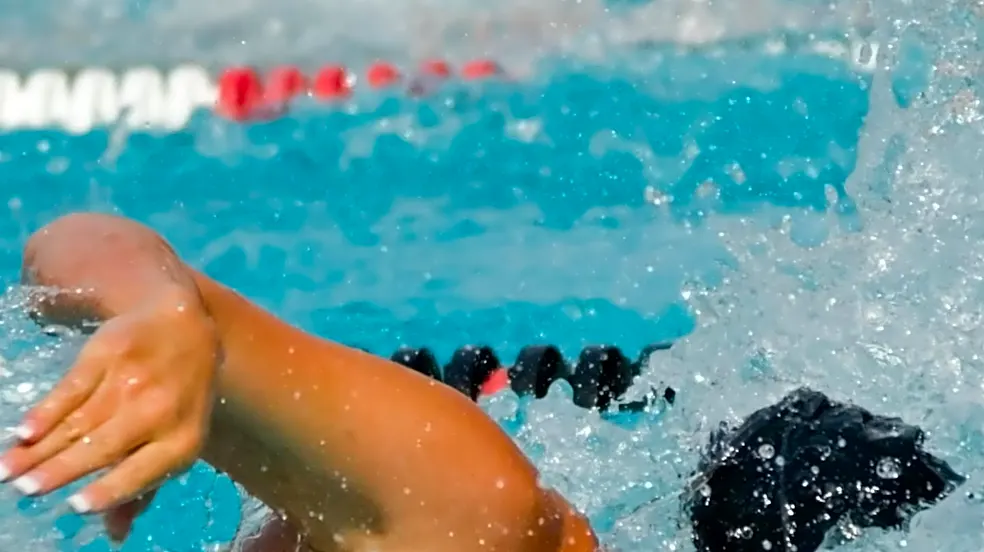




The 1968 Olympic Games in Mexico City marked a significant moment for women's swimming with the introduction of the 200 meter freestyle event. This inaugural competition, held between October 21 and 22, showcased the prowess of athletes from around the globe, but ultimately became a testament to American dominance in the pool. The event, which allowed swimmers to use any stroke, saw nearly all competitors opt for the efficient front crawl, navigating
four lengths of the 50-meter Olympic-sized pool.
Setting the Stage: The New Olympic Event
Before 1968, the women's 200 meter freestyle was not an Olympic event. Its inclusion in the Mexico City Games provided a new platform for female swimmers to demonstrate their speed and endurance. The format of freestyle swimming is unique in that it does not regulate the method of the stroke, unlike events such as backstroke, breaststroke, or butterfly. This freedom typically leads to swimmers employing the front crawl, or a variation of it, due to its speed advantage. The race itself was a test of sustained effort, requiring athletes to complete four 50-meter lengths of the pool.
The competition began with preliminary heats, where swimmers vied for a spot in the coveted final. These heats were crucial for establishing early contenders and setting the pace for the event. For instance, in Heat 2, Lyn Bell from Australia posted a time of 2:15.7, while Claude Mandonnaud of France was close behind at 2:15.8. In Heat 3, Jan Henne of the United States made a strong showing with a time of 2:13.8, indicating her potential for a medal. These initial races built anticipation for the final showdown, highlighting the competitive field.
American Dominance in the Final
The final of the women's 200 meter freestyle was a remarkable display of American talent. Debbie Meyer, representing the United States, delivered an outstanding performance, securing the gold medal with a time of 2:10.5. This impressive swim also established a new Olympic record for the event, cementing her place in Olympic history as the first gold medalist in this category. Her victory was not just a personal triumph but a significant achievement for the U.S. swimming team.
Adding to the American success, Jan Henne and Jane Barkman, both also from the United States, claimed the silver and bronze medals respectively. Henne finished with a time of 2:11.0, while Barkman completed the race in 2:11.2. This sweep of the podium by a single nation is a rare and powerful demonstration of athletic superiority. The United States team's performance in this inaugural event set a high standard and showcased the depth of their talent in women's freestyle swimming. Other notable finalists included Gabriele Wetzko from East Germany, who placed fourth, and Mirjana Šegrt from Yugoslavia, who came in fifth, but none could match the speed of the American trio.
The Legacy of the 1968 Event
The 1968 women's 200 meter freestyle event not only crowned its first Olympic champion but also established a new benchmark for competitive swimming. Debbie Meyer's Olympic record-setting performance, alongside the silver and bronze medals won by Jan Henne and Jane Barkman, created a memorable moment in Olympic history. This event underscored the importance of the freestyle stroke, particularly the front crawl, as the dominant method for speed in unregulated swimming competitions. The success of the American swimmers in this inaugural race highlighted their preparation and skill on the international stage, leaving a lasting legacy for future generations of athletes.