






Tony Mullane, an Irish baseball pitcher, left a remarkable legacy in the sport with his unique ability to pitch ambidextrously. Born in County Cork, Ireland, Mullane emigrated to the United States in 1864 and began his major league career in 1881. Known as "Count" and "the Apollo of the Box," Mullane's career spanned seven major league teams from 1881 to 1894. His ambidextrous pitching was a rare skill that set him apart and contributed to his impressive
win record.
Mullane's Ambidextrous Skill
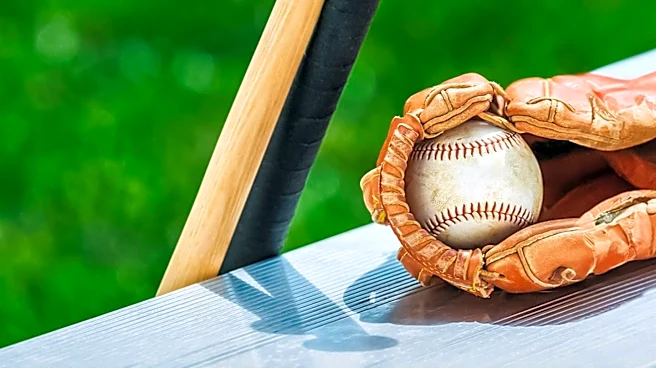
Mullane's ability to pitch with both hands was not just a novelty; it was a strategic advantage. After injuring his right arm, Mullane taught himself to throw left-handed, a skill he retained even after his right arm healed. This allowed him to switch between hands during games, a feat that was facilitated by the fact that he did not wear a glove. Mullane would face batters with both hands on the ball, deciding at the last moment which hand to use for the pitch. This unpredictability made him a formidable opponent on the mound.
Mullane's ambidextrous pitching was not just a personal achievement but a historical milestone in baseball. He was the first pitcher in the major leagues to pitch ambidextrously, a rarity that has been seen only a few times in the sport's history. His ability to switch-pitch in games was a precursor to later ambidextrous pitchers, although it took over a century for another pitcher, Greg A. Harris, to be allowed to switch-pitch in a game.
Impact on Baseball
Mullane's ambidextrous pitching had a lasting impact on baseball, influencing how pitchers approached the game. His skill demonstrated the potential advantages of being able to pitch with both hands, offering strategic flexibility and the ability to adapt to different situations. This skill set Mullane apart from his peers and contributed to his high win totals, despite not being inducted into the Baseball Hall of Fame.
Mullane's career win total of 284 remains one of the highest among pitchers not in the Hall of Fame. His ambidextrous pitching was a key factor in achieving this record, allowing him to maintain a competitive edge throughout his career. His legacy continues to inspire pitchers to explore the possibilities of ambidextrous pitching, although few have managed to replicate his success.
Challenges and Achievements
Despite his unique skills, Mullane faced challenges throughout his career. His ambidextrous pitching contributed to his league-leading 63 wild pitches in 1884, as he sometimes disregarded signals from his catcher, Moses Fleetwood Walker. Mullane's dislike for Walker, one of the first black men to play in Major League Baseball, led him to pitch without following signals, resulting in numerous wild pitches.
Mullane's career was also marked by controversies, including a suspension for the entire 1885 season due to contract disputes. Despite these challenges, his ambidextrous pitching remained a defining feature of his career, showcasing his resilience and adaptability. Mullane's legacy as an ambidextrous pitcher continues to be celebrated, highlighting the unique contributions he made to the sport.