
Harry S. Truman's presidency, which began in April 1945, is inextricably linked with the genesis and early development of the Cold War. As the 33rd president, he inherited a world transitioning from the unity
of wartime alliance to the stark ideological division between the United States and the Soviet Union. Truman's administration was pivotal in formulating the foundational strategies and alliances that would define American foreign policy for the next several decades, primarily aimed at containing the expansion of Soviet communism across the globe.
Defining the Threat: The Truman Doctrine and Containment
One of the most significant foreign policy initiatives of Truman's presidency was the establishment of the Truman Doctrine in 1947. This doctrine articulated a clear commitment from the United States to support "free peoples who are resisting attempted subjugation by armed minorities or by outside pressures." While initially focused on providing aid to Greece and Turkey, the Truman Doctrine quickly became a broader statement of American policy, signaling a global commitment to counter Soviet influence. It marked a decisive shift from America's traditional isolationism to active engagement in international affairs, setting the stage for the policy of containment.
This doctrine was a direct response to the perceived threat of Soviet expansionism in post-war Europe and beyond. It framed the global struggle as one between democratic freedom and totalitarian communism, providing the ideological justification for American intervention and assistance to nations deemed vulnerable to Soviet encroachment. The Truman Doctrine thus became a cornerstone of U.S. foreign policy throughout the Cold War era.
Rebuilding and Alliance: The Marshall Plan and NATO
Beyond ideological declarations, Truman's administration implemented concrete measures to bolster Western Europe against Soviet influence. The Marshall Plan, formally known as the European Recovery Program, was launched in 1948. This massive economic aid package provided billions of dollars to help rebuild the war-devastated economies of Western European nations. The underlying goal was not merely humanitarian; it was a strategic effort to prevent economic instability that could make these countries susceptible to communist political movements.
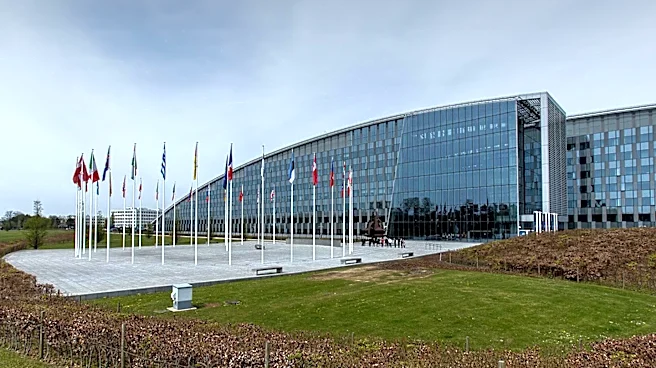
By fostering economic recovery and stability, the Marshall Plan aimed to create strong, self-sufficient democracies that could resist Soviet pressures. This economic strategy was complemented by a military alliance. Truman was a strong proponent of the North Atlantic Treaty Organization (NATO), which was founded in 1949. NATO established a system of collective defense, where an attack against one member state was considered an attack against all. This alliance provided a crucial military deterrent against potential Soviet aggression in Europe, solidifying the Western bloc and further institutionalizing the Cold War divide. These initiatives collectively demonstrated Truman's comprehensive approach to confronting the Soviet threat, combining economic aid, political support, and military alliances.