






Vienna, the capital of Austria, is renowned for its stunning and diverse architecture, which tells the story of its rich history. From the grandeur of its Baroque palaces to the distinctive designs of modern art houses, the city offers a visual feast for residents and visitors alike. This architectural heritage is a key component of Vienna's identity, reflecting its past as an imperial center and its ongoing commitment to artistic expression. The
city's buildings are not merely structures but monuments to its cultural evolution.
The Legacy of Baroque Grandeur
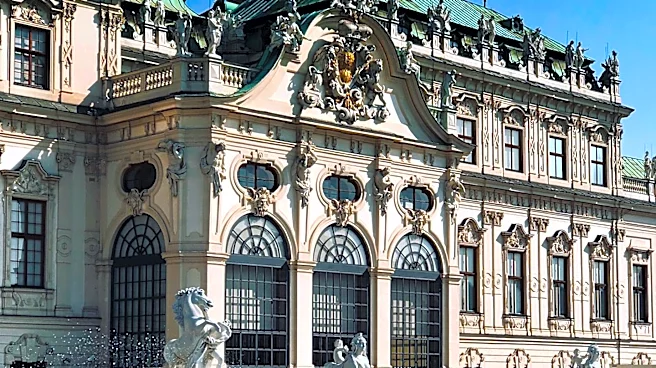
Vienna's past as the administrative center of the vast, multi-lingual Austro-Hungarian Empire profoundly influenced its architectural landscape. This imperial era is most visibly represented by its beautiful Baroque architecture. This style, characterized by elaborate ornamentation, grand scale, and dramatic flair, is evident throughout the city, particularly in its numerous palaces. These structures were designed to convey power, wealth, and prestige, embodying the regal taste of the empire.
Palaces like Schönbrunn stand as prime examples of this Baroque splendor. These magnificent residences, once home to royalty, are now major tourist attractions, offering a glimpse into the opulent lifestyle of past eras. Their intricate facades, expansive gardens, and lavish interiors showcase the craftsmanship and artistic vision of the period. The presence of such well-preserved Baroque masterpieces contributes significantly to Vienna's reputation as a city of historical and architectural importance.
Iconic Landmarks: Medieval and Imperial
Beyond its Baroque palaces, Vienna features other iconic architectural landmarks that span different historical periods. One of the most recognizable is Stephansdom, a large medieval church. This impressive structure is particularly noted for its distinctive roof, which is a prominent feature of the city's skyline. Stephansdom represents an earlier chapter in Vienna's architectural history, showcasing the Gothic style and its enduring presence in the urban fabric.
The palace of Schönbrunn, mentioned earlier for its Baroque characteristics, is another cornerstone of Vienna's architectural identity. Its sheer scale and historical significance make it a central point of interest. These landmarks, whether medieval or imperial, are not just old buildings; they are living testaments to the city's continuous development and its commitment to preserving its heritage. They draw millions of visitors annually, eager to explore their historical and aesthetic value.
Modern Architectural Expressions
While deeply rooted in its historical styles, Vienna also embraces modern architectural expressions. A notable example is the Hundertwasserhaus, a high-rise building designed by the Austrian artist Friedensreich Hundertwasser. This building stands in stark contrast to the classical structures, featuring vibrant colors, irregular shapes, and an integration of nature, such as trees growing from its windows and roof. It represents a unique artistic vision and a departure from conventional architectural norms.
The Hundertwasserhaus is considered a modern must-see attraction, offering a different perspective on Vienna's architectural landscape. It demonstrates that the city is not solely defined by its past but also by its capacity for contemporary artistic innovation. This blend of historical grandeur and modern creativity ensures that Vienna's architecture remains dynamic and captivating, appealing to a wide range of tastes and interests.