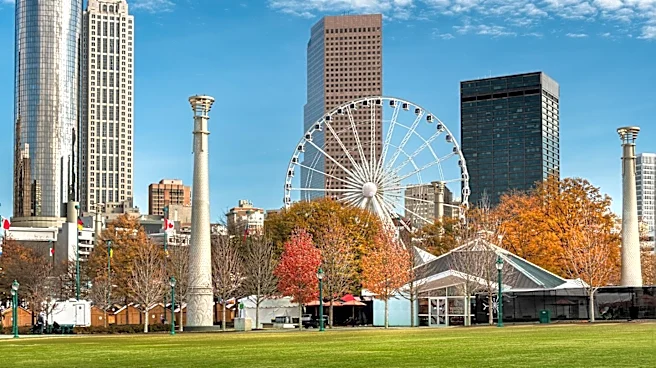







The Centennial Olympic Park bombing was a devastating event that occurred during the 1996 Summer Olympics in Atlanta, Georgia. On July 27, 1996, a pipe bomb exploded in the park, killing one person and injuring 111 others. This tragic incident marked the first of four bombings committed by Eric Robert Rudolph in a domestic terrorist campaign against the U.S. government. The bombing not only shocked the nation but also had a lasting impact on security
measures at public events.
The Bombing and Its Immediate Aftermath
The Centennial Olympic Park was designed as the "town square" of the Olympics, attracting thousands of spectators for various events and concerts. On the night of the bombing, a concert by the band Jack Mack and the Heart Attack was underway. Eric Rudolph planted a green U.S. military ALICE pack containing three pipe bombs filled with smokeless powder and surrounded by masonry nails. The bomb was placed underneath a bench near the base of a concert sound tower.
Security guard Richard Jewell discovered the suspicious package and alerted Georgia Bureau of Investigation officers. Despite efforts to evacuate the area, the bomb detonated two to three minutes into the evacuation, causing significant casualties. The explosion was captured on video by a tourist and aired by CNN, bringing the tragic event to the attention of the world.
The Investigation and Richard Jewell's Ordeal
In the aftermath of the bombing, Richard Jewell, initially hailed as a hero for his quick actions, became the prime suspect in the investigation. The FBI and media focused intensely on Jewell, leading to a period of intense scrutiny and public suspicion. However, in October 1996, the FBI declared Jewell was no longer a person of interest, clearing his name.
The investigation continued, and following three more bombings in 1997 and 1998, Eric Rudolph was identified as the suspect. Rudolph was eventually captured in 2003 and sentenced to life imprisonment without parole in 2005 after pleading guilty to avoid the death penalty.
The Legacy of the Centennial Olympic Park Bombing
The Centennial Olympic Park bombing had a profound impact on security protocols at public events. In the immediate aftermath, security measures at the park and all sporting venues were heightened, including bag searches and metal detectors at entrances. The bombing site, adjacent to the park's "Centennial Tree," serves as a somber reminder of the tragedy.
The event also highlighted the challenges of balancing public safety with civil liberties, as seen in the case of Richard Jewell. The ordeal he faced became a symbol of the excesses of law enforcement and media coverage, prompting discussions on the rights of individuals during criminal investigations.