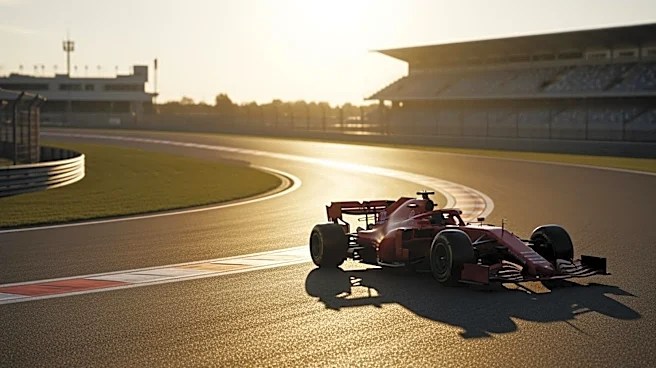

In the world of motorsport, strategy plays a crucial role in determining the outcome of a race. One often overlooked aspect of race strategy is the warm-up lap, also known as the parade lap, formation
lap, or pace lap. This preliminary lap allows drivers to prepare both mentally and physically for the race ahead. By understanding the strategic importance of the warm-up lap, teams can gain a competitive edge and improve their chances of success.
Mental and Physical Preparation
The warm-up lap provides drivers with a valuable opportunity to mentally prepare for the race. As they navigate the track at a slower speed, drivers can focus on visualizing their race strategy and mentally rehearsing key maneuvers. This mental preparation is essential for maintaining focus and composure during the high-pressure environment of a race.
In addition to mental preparation, the warm-up lap allows drivers to physically acclimate to the track conditions. By experiencing the circuit at a reduced speed, drivers can adjust to any changes in the track surface or weather conditions. This physical preparation helps drivers build confidence and ensures they are ready to perform at their best when the race begins.
Fine-Tuning Vehicle Performance
The warm-up lap is also a critical time for fine-tuning vehicle performance. During this lap, drivers can assess the handling and responsiveness of their cars, making any necessary adjustments to optimize performance. This may involve adjusting tire pressures, brake settings, or suspension components to suit the specific conditions of the track.
By fine-tuning their vehicles during the warm-up lap, drivers can ensure that their cars are performing at their peak potential. This attention to detail can make a significant difference in a race, where even small performance gains can translate into valuable time savings on the track.
Strategic Positioning and Race Start
Another important aspect of the warm-up lap is strategic positioning. In many racing formats, the warm-up lap determines the starting order for the race. Drivers must carefully position themselves on the grid to maximize their chances of a strong start. This involves finding the optimal line and ensuring that their car is in the best possible position to capitalize on any opportunities at the start of the race.
The warm-up lap also allows drivers to practice their race start, ensuring that they are ready to react quickly when the green flag drops. By honing their starting technique during the warm-up lap, drivers can gain an advantage over their competitors and improve their chances of a successful race.
In conclusion, the warm-up lap is a vital component of race strategy, offering drivers the opportunity to prepare mentally and physically, fine-tune their vehicles, and position themselves strategically for the race ahead. By understanding and leveraging the strategic importance of the warm-up lap, teams can enhance their performance and increase their chances of success on the track.