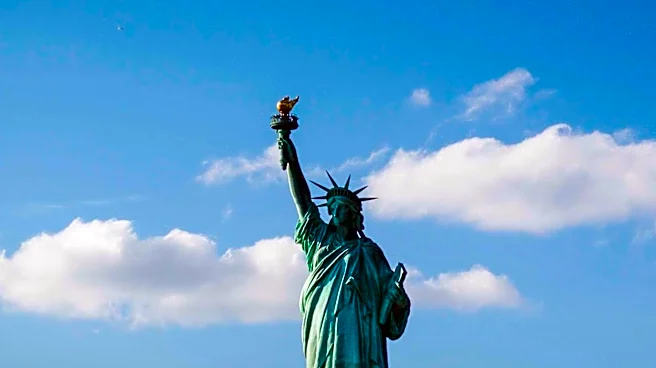







The Statue of Liberty, a symbol of freedom and democracy, underwent a significant renovation and rededication process from 1982 to 2000. This monumental effort was not just about preserving a historic landmark but also about reaffirming its place in American culture and history. The project involved extensive structural repairs and restoration, culminating in a rededication ceremony led by First Lady Nancy Reagan in 1986.
The Need for Renovation
By the early 1980s, the Statue
of Liberty was showing signs of wear and tear. The copper-clad statue, which had stood proudly in New York Harbor since 1886, required urgent attention to address structural issues. Recognizing the importance of this iconic monument, President Ronald Reagan announced the formation of the Statue of Liberty-Ellis Island Centennial Commission in May 1982. The commission, led by Lee Iacocca, the then-chairman of Chrysler Corporation, was tasked with raising the necessary funds for the renovation.
The fundraising efforts were a resounding success, with the Statue of Liberty-Ellis Island Foundation, Inc. raising over $350 million. This was achieved through a combination of public donations and innovative marketing campaigns, such as the American Express promotion that contributed a cent for every purchase made with their card. This campaign alone generated $1.7 million for the restoration project.
The Restoration Process
The restoration of the Statue of Liberty was a complex and meticulous process. Engineers and architects worked tirelessly to address the structural issues that had developed over the years. The statue's internal iron framework, originally designed by Gustave Eiffel, required significant repairs to ensure its stability. Additionally, the copper skin of the statue was carefully cleaned and restored to its original luster.
The restoration also included the installation of a new lighting system to enhance the statue's visibility at night. This was particularly important as the statue had become a symbol of hope and freedom for millions of immigrants arriving in the United States. The new lighting system ensured that the statue continued to shine brightly as a beacon of liberty.
Rededication and Legacy
The culmination of the renovation project was the rededication ceremony held on July 4, 1986, marking the statue's centennial. First Lady Nancy Reagan presided over the ceremony, which was attended by dignitaries from around the world. The event was a celebration of the statue's enduring legacy and its significance as a symbol of freedom and democracy.
The successful renovation and rededication of the Statue of Liberty ensured that this iconic monument would continue to inspire future generations. It stands not only as a testament to the enduring friendship between France and the United States but also as a reminder of the values of liberty and justice that both nations hold dear.