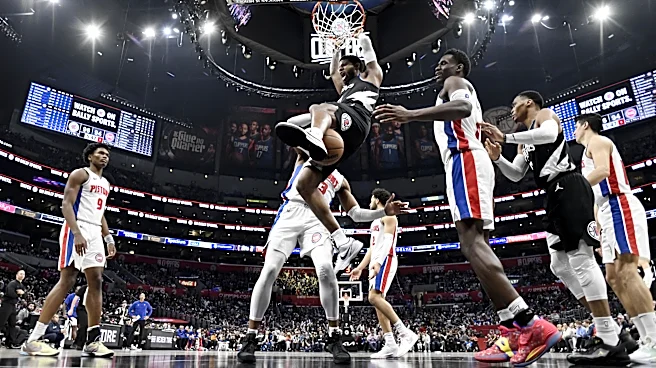









The 2005 NBA Finals was a showcase of defensive excellence, featuring two of the league's premier defensive teams: the San Antonio Spurs and the Detroit Pistons. Both teams were known for their ability to stifle opponents and control the pace of the game, making this series a fascinating study in defensive strategy and execution.
The Spurs' Defensive Strategy
The San Antonio Spurs entered the Finals with a reputation for their formidable defense, anchored by Tim Duncan. Duncan's
presence in the paint was a significant factor in the Spurs' ability to limit the scoring opportunities of their opponents. His shot-blocking and rebounding were crucial in disrupting the Pistons' offensive flow.
The Spurs also relied on the defensive prowess of Bruce Bowen, who was tasked with guarding the Pistons' key scorers. Bowen's ability to pressure the ball and contest shots made it difficult for Detroit to find rhythm in their offense. The Spurs' team defense was characterized by their ability to rotate effectively and communicate on the court, ensuring that they could cover gaps and prevent easy baskets.
The Pistons' Defensive Approach
The Detroit Pistons were equally renowned for their defensive capabilities, led by Ben Wallace. Wallace's physical presence and shot-blocking ability were central to the Pistons' strategy of controlling the paint. His defensive rebounding was vital in limiting the Spurs' second-chance opportunities.
Detroit's defense was also marked by their aggressive perimeter play, with players like Tayshaun Prince and Chauncey Billups applying pressure on the Spurs' guards. The Pistons excelled in forcing turnovers and converting them into fast-break points, a strategy that kept them competitive throughout the series.
The Impact of Defense on the Series Outcome
The defensive battle between the Spurs and Pistons was a defining feature of the 2005 NBA Finals. Both teams demonstrated their ability to adapt and counter each other's strategies, leading to closely contested games. The series was characterized by low-scoring affairs, with neither team able to dominate offensively.
Ultimately, the Spurs' defense proved to be more effective, particularly in the decisive Game 7. Tim Duncan's leadership and defensive contributions were instrumental in securing the championship for San Antonio. The Pistons, despite their strong defensive efforts, were unable to overcome the Spurs' tactical adjustments and clutch performances.
The 2005 NBA Finals remains a testament to the importance of defense in basketball, showcasing how strategic planning and execution can influence the outcome of a championship series.