






The Battle of Fallen Timbers, fought on August 20, 1794, marked a decisive end to the Northwest Indian War. This significant conflict pitted U.S. forces, led by General Anthony Wayne, against a confederation of Native American tribes. The battle's outcome had profound implications for the control and settlement of the Northwest Territory, shaping the future of the young United States and its relationship with indigenous populations. Today, the site
of this historic engagement is preserved as part of the Fallen Timbers Battlefield National Historic Site in Ohio, serving as a reminder of this critical period in American history.
The Northwest Indian War Context
The Northwest Indian War was a complex and protracted conflict that arose from the westward expansion of American settlers into lands claimed by various Native American tribes. Following the American Revolutionary War, the Treaty of Paris in 1783 granted the United States vast territories, including the region north of the Ohio River. However, Native American tribes, who had not been party to the treaty, continued to assert their sovereignty over these lands, leading to escalating tensions and violent clashes.For over a decade, the U.S. government struggled to establish control over the Northwest Territory. Early military campaigns against the Native American confederacy often met with defeat, highlighting the formidable resistance put forth by the tribes. These early setbacks underscored the need for a more organized and effective military strategy, which ultimately led to the appointment of General Anthony Wayne.
General Anthony Wayne's Campaign
General Anthony Wayne, a veteran of the Revolutionary War, was tasked with leading the U.S. forces and bringing an end to the conflict. Known for his aggressive tactics and meticulous planning, Wayne undertook a rigorous training program for his troops, transforming them into a disciplined fighting force. His campaign was characterized by a methodical advance into the territory, establishing forts and supply lines as he progressed.Wayne's approach was designed to wear down the Native American resistance and force a decisive confrontation. The U.S. forces, under his command, were well-prepared and equipped, a stark contrast to some of the earlier American expeditions. This careful preparation and strategic movement set the stage for the climactic battle that would ultimately determine the fate of the Northwest Territory.
The Battle and Its Aftermath
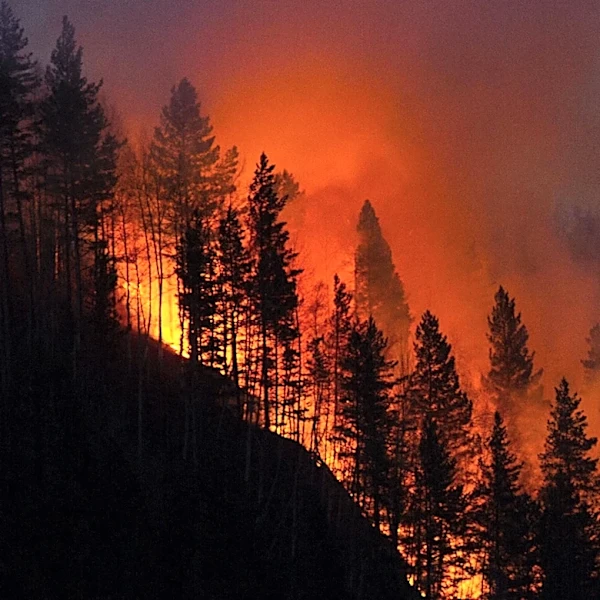
The Battle of Fallen Timbers itself was a relatively short but intense engagement. The name of the battle refers to an area where a tornado had previously downed a large number of trees, creating a natural barrier that the Native American forces hoped to use to their advantage. However, Wayne's well-trained troops were able to effectively navigate the difficult terrain and engage the enemy.The decisive victory for the U.S. forces at Fallen Timbers effectively broke the organized resistance of the Native American confederacy. This defeat paved the way for the Treaty of Greenville in 1795, which ceded vast tracts of land in present-day Ohio and Indiana to the United States. The battle thus played a crucial role in opening up the Northwest Territory for American settlement and significantly altered the geopolitical landscape of the region.