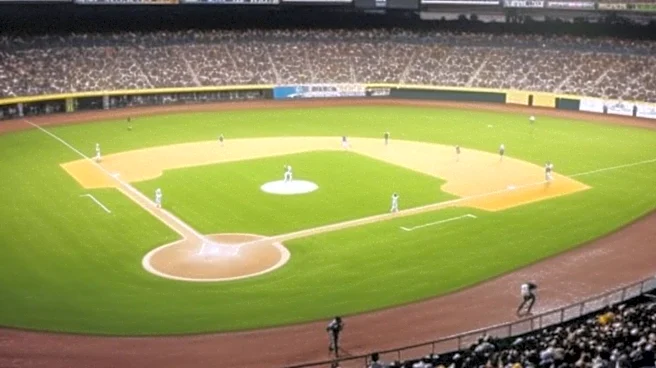




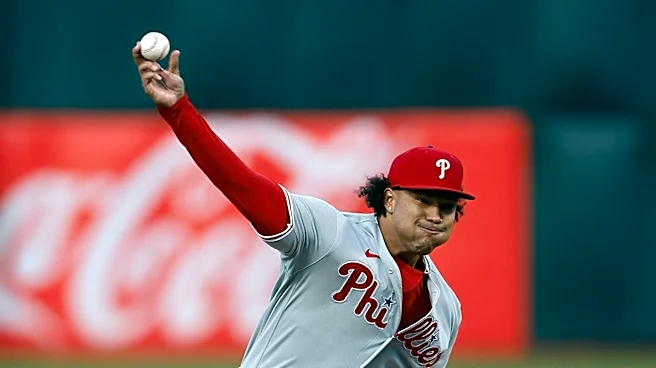


Jim Bunning's perfect game on June 21, 1964, stands as a remarkable event in Major League Baseball history. Pitched for the Philadelphia Phillies against the New York Mets, this game was not only a testament to Bunning's skill but also a historic milestone, being the first perfect game in the National League since 1908. Adding to its significance, Bunning achieved this feat on Father's Day, with his family present to witness the momentous occasion.
The Game and Its Historical Context
Jim Bunning's perfect game was the seventh in Major League Baseball history and the first in the National League since 1908. This achievement was particularly notable as it was the first regular season perfect game since Charlie Robertson's in 1922. Bunning's performance was a masterclass in pitching, requiring only 90 pitches to complete the game and striking out 10 batters, including six of the last nine he faced. The game ended with a score of 6-0, marking a decisive victory for the Phillies.
Bunning's perfect game was also the first no-hitter by a Phillies pitcher since Johnny Lush in 1906. This placed Bunning in an elite group of pitchers who have thrown no-hitters in both the National and American Leagues, joining the ranks of Cy Young, Nolan Ryan, Hideo Nomo, and Randy Johnson. His perfect game further solidified his legacy as one of the few pitchers to achieve both a perfect game and an additional no-hitter.
Father's Day Significance
The timing of Bunning's perfect game added a layer of personal significance to the event. Pitched on Father's Day, Bunning's family was present at Shea Stadium to witness his historic achievement. His daughter Barbara and wife Mary were among the spectators, making the day a memorable family occasion. This personal connection to the game underscored the emotional impact of the achievement, as Bunning was a father of seven children at the time.
Bunning's approach to the game was unique, as he defied the baseball superstition of not discussing a no-hitter in progress. He chose to speak to his teammates about the perfect game, aiming to keep himself relaxed and his teammates loose. This strategy contrasted with his previous experience of maintaining silence during a near-no hitter, which he found unhelpful.
Legacy and Impact
Jim Bunning's perfect game remains a significant milestone in baseball history, celebrated not only for its rarity but also for its personal and emotional significance. The game highlighted Bunning's exceptional skill and strategic approach, contributing to his legacy as one of the great pitchers in Major League Baseball. The Father's Day context added a unique dimension to the achievement, making it a cherished memory for Bunning and his family.
Overall, Bunning's perfect game is remembered as a historic event that combined athletic excellence with personal significance, leaving a lasting impact on the sport and those who witnessed it.