







While often associated with religious texts, illuminated manuscripts encompassed a surprisingly broad range of content, reflecting the evolving interests and needs of medieval society. From grand liturgical books to personal prayer guides and even secular literature, these richly decorated volumes served various purposes. The patronage of illuminated manuscripts also diversified over time, moving from primarily monastic and ecclesiastical commissions
to include wealthy lay individuals who sought these luxurious items for personal devotion, education, and even entertainment. This expansion in content and patronage highlights the dynamic role these manuscripts played in medieval culture.
Religious Texts and Their Significance
In the first millennium, many heavily illuminated manuscripts were Gospel Books, such as the Lindisfarne Gospels and the Book of Kells, which are celebrated for their intricate designs. These "display books" were often used in church contexts, signifying their importance in religious ceremonies and as objects of veneration. The Romanesque and Gothic periods saw the creation of many large, complete illuminated Bibles, with the Codex Gigas in Sweden being a notable example, so massive it requires multiple librarians to lift. Other significant liturgical books included psalters, which typically contained all 150 canonical psalms, and sacramentaries.
Beyond these grand church volumes, smaller, personal devotional books known as "books of hours" emerged, particularly popular among lay people. These books were designed to guide daily prayers, separating one's day into eight hours of devotion. Often richly illuminated with miniatures, decorated initials, and floral borders, books of hours were costly and thus owned by wealthy patrons, frequently women. The extravagant *Très Riches Heures du Duc de Berry* is a well-known example, illustrating the high demand for personalized religious texts among the elite.
The Rise of Secular Works and New Patrons
As manuscript production shifted from monasteries to the public sector during the High Middle Ages, illuminated books began to reflect a wider array of secular interests. This included short stories, legends of saints, tales of chivalry, mythological narratives, and even accounts of criminal, social, or miraculous occurrences. Some of these secular texts were even used by storytellers and itinerant actors to support their plays, indicating their broader cultural reach. One of the most popular secular texts of the time was bestiaries, books containing illuminated depictions of various animals, both real and fictional. These often focused on the religious symbolism and significance of animals, reflecting the widespread belief that all organisms were manifestations of God. Bestiaries served as both devotional guidance and entertainment for the working class of the Middle Ages.
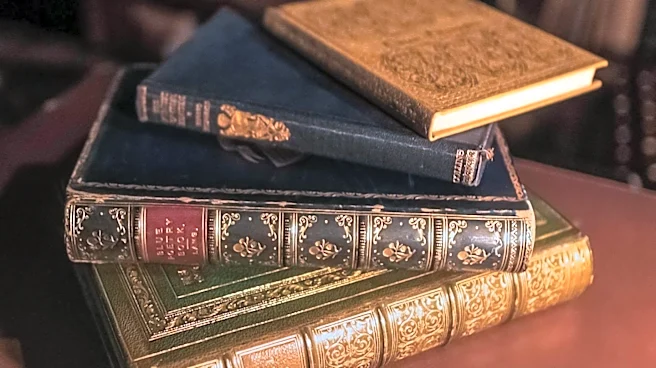
Wealthy individuals increasingly built personal libraries, demonstrating a growing appreciation for books beyond their religious utility. Philip the Bold, for instance, is estimated to have owned about 600 illuminated manuscripts in the mid-15th century, showcasing the extent of private collecting. This period also saw the illumination of chronicles and works of literature. The commercial scriptoria that emerged in urban centers catered to this diverse patronage, allowing for customization, such as incorporating the heraldry of the buyer or saints of personal interest into the calendar of a book of hours. This expansion of content and patronage underscores the transformation of illuminated manuscripts from purely sacred objects to multifaceted cultural artifacts that served a broad spectrum of medieval society.
Jewish and Islamic Illuminated Manuscripts
Illuminated manuscript traditions were not exclusive to Christian Europe. Jewish religious manuscripts were also illustrated and included representational art. Figures like Joel ben Simeon became known for their work, and archival records from medieval Iberia confirm that Jews were painters and practitioners of the fine arts. Examples include the Ambrosian Bible or Ambrosian Tanakh of 1236, which contains figural representations of biblical figures, some with obscured faces or depicted as zoocephalic (animal-headed humanoids). While it's theorized that zoocephalic art might circumvent prohibitions against idolatry in Judaism, the presence of human faces in some manuscripts casts doubt on this sole explanation, suggesting other reasons for this style that are not fully understood.
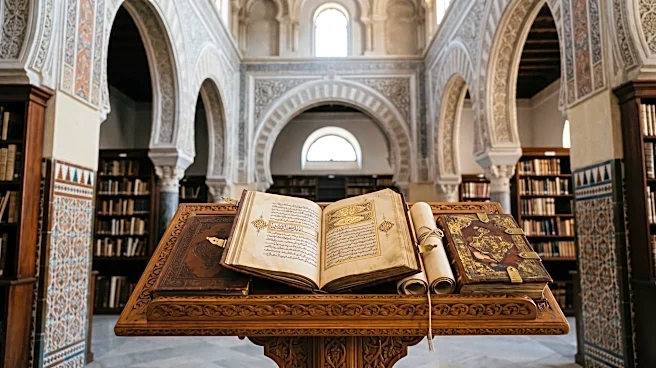
Similarly, Islamic manuscripts are also considered illuminated and employed essentially the same techniques. The Byzantine world produced manuscripts in its own distinct style, which influenced other Orthodox and Eastern Christian areas. The Muslim world, particularly on the Iberian Peninsula, played a crucial role in transmitting ancient classical works to Western Europe's intellectual circles and universities during the 12th century. Books were produced in large numbers and on paper for the first time in Europe, including full treatises on sciences like astrology and medicine, where illumination was essential for providing accurate representations alongside the text. The Persian miniature tradition, for example, largely began with whole books, such as the Great Mongol Shahnameh from the 1330s, a very early manuscript of a common work for grand illustrated books in Persian courts.