







Open water swimming is a unique discipline that requires specific techniques and equipment to navigate the challenges of natural water bodies. From stroke techniques to the use of wetsuits, this article delves into the essential aspects of open water swimming that help athletes perform at their best.
Essential Techniques for Open Water Swimming
In open water swimming, visibility can be a significant issue, making sighting an essential technique. Swimmers often lift their heads slightly every
fourth or sixth stroke to maintain their direction and avoid veering off course. This technique is crucial in open water, where there are no lane markers to guide swimmers.
Another important technique is drafting, where swimmers position themselves close behind or beside another swimmer to reduce water resistance. This strategy can conserve energy and improve speed, especially in long-distance races. Additionally, beach starting and exiting techniques are vital for races that begin and end on the shore. Swimmers must master the art of running into the water and transitioning smoothly to swimming, as well as exiting the water efficiently to complete the race.
Equipment Used in Open Water Swimming
The equipment used in open water swimming varies depending on the race and the governing body's rules. Wetsuits are commonly used, especially in colder water temperatures, as they provide insulation and buoyancy. The thickness and design of wetsuits can vary, with some offering more flexibility for a greater range of motion.
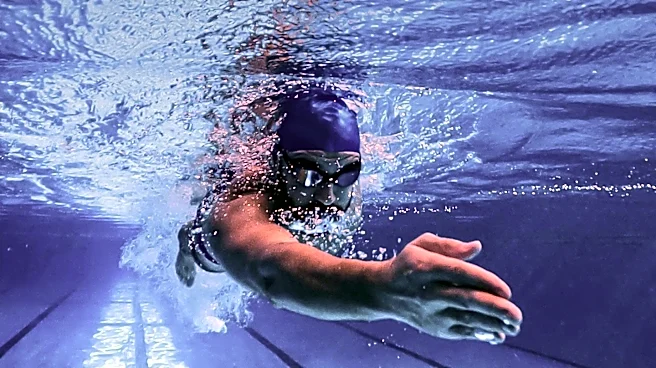
Swimmers also use basic gear such as swimsuits, goggles, and swim caps. The choice of goggles is crucial, as they must provide clear vision and comfort over long distances. Swim caps, often brightly colored, increase visibility in open water, ensuring that swimmers can be easily spotted by officials and safety personnel.
The Role of Technology and Innovation
Advancements in technology have played a significant role in enhancing the performance of open water swimmers. High-tech materials used in wetsuits and goggles have improved comfort and efficiency, allowing swimmers to focus on their technique and endurance.
Innovations in training methods and equipment continue to push the boundaries of what athletes can achieve in open water swimming. As the sport evolves, swimmers and coaches are constantly exploring new ways to optimize performance, from refining stroke techniques to utilizing cutting-edge gear.
Open water swimming remains a dynamic and challenging sport, where the right combination of technique and equipment can make all the difference. As athletes continue to push the limits, the sport will undoubtedly see further innovations and achievements in the years to come.