




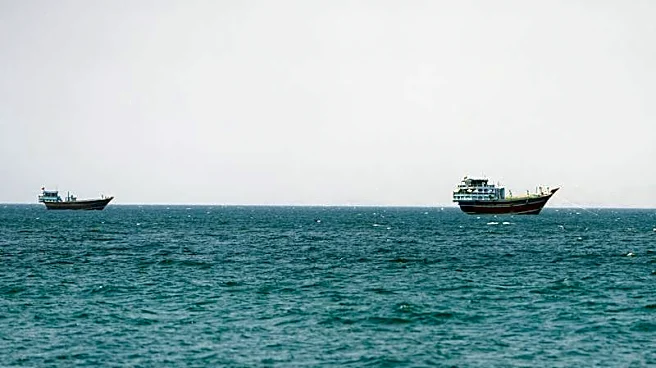


The Gulf War, which took place from 1990 to 1991, was a significant military conflict that saw a coalition of 42 countries come together to liberate Kuwait from Iraqi occupation. This coalition was led by the United States and included a diverse group of nations, each contributing in various capacities. The war highlighted the power of international cooperation and the complexities involved in coordinating such a large-scale military effort.
Formation of the Coalition
The coalition
was formed in response to Iraq's invasion of Kuwait on August 2, 1990. The United Nations Security Council quickly condemned the invasion and called for Iraq's immediate withdrawal. When Iraq failed to comply, the UN authorized the use of force to liberate Kuwait. This led to the formation of a broad coalition, the largest since World War II, with the United States, Saudi Arabia, the United Kingdom, and Egypt as the largest contributors.
The coalition was a mix of Western and Arab nations, as well as countries from other regions. Each member state contributed in different ways, from providing troops and military equipment to offering financial support and logistical assistance. The coalition's diversity was both a strength and a challenge, as it required careful coordination and diplomacy to manage the various interests and capabilities of the participating countries.
Military Operations
The coalition's military operations were divided into two main phases: Operation Desert Shield and Operation Desert Storm. Operation Desert Shield involved the buildup of coalition forces in the Persian Gulf region from August 1990 to January 1991. This phase was crucial in deterring further Iraqi aggression and preparing for the liberation of Kuwait.
Operation Desert Storm began on January 17, 1991, with a massive aerial and naval bombardment of Iraqi targets. This was followed by a ground assault on February 24, 1991, which quickly overwhelmed Iraqi forces and liberated Kuwait within 100 hours. The coalition's military success was due in large part to its technological superiority and the effective coordination of its diverse forces.
Aftermath and Legacy
The Gulf War had significant political and environmental consequences. In the aftermath, Iraq faced uprisings and international sanctions, while the coalition established no-fly zones to protect vulnerable populations. The war also had a lasting impact on military strategy, showcasing the effectiveness of precision-guided munitions and satellite-based reconnaissance.
The coalition's success in the Gulf War demonstrated the potential of international cooperation in addressing global conflicts. However, it also highlighted the challenges of maintaining such alliances, as differing national interests and priorities can complicate decision-making and long-term strategy. The Gulf War remains a pivotal moment in modern military history, illustrating both the power and complexity of multinational coalitions.