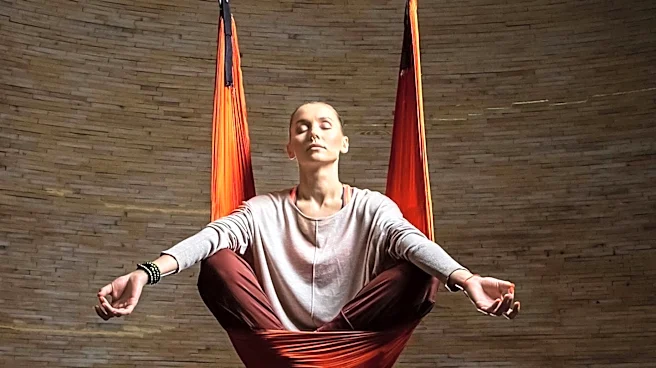






Aerial yoga stands out as a unique fitness discipline that integrates traditional yoga with elements of Pilates and dance, all while utilizing a specialized fabric hammock. This innovative approach allows for a distinct physical experience, enabling practitioners to perform various poses with support and enhanced range of motion. The mechanics of aerial yoga are deeply intertwined with the design and function of its core equipment, the hammock, which
facilitates movements that might be challenging or impossible in a traditional mat-based setting. Understanding how this equipment works and the benefits it purports to offer provides insight into the growing popularity of this hybrid practice.
The Essential Aerial Yoga Hammock
At the heart of aerial yoga is its specialized hammock, a prop engineered to safely support a significant amount of weight, typically up to 300 kilograms. This robust design is crucial for the safety and effectiveness of the practice. The complete rig usually comprises several components: support chains that hang from the ceiling, a durable webbing strap, the silk hammock itself, and carabiners for secure attachment. These elements work in concert to create a stable yet flexible apparatus for aerial movements.
The installation of an aerial yoga hammock can be configured in two primary ways, depending on the desired experience. One option involves using two anchor points, which provides greater stability, making it suitable for beginners or those seeking a more grounded practice. Alternatively, a single anchor point can be used, offering an increased range of motion and allowing for more dynamic and acrobatic movements. This adaptability in setup ensures that aerial yoga can cater to different skill levels and preferences, enhancing its accessibility and versatility.
Facilitating Movement and Enhancing Poses
The hammock in aerial yoga serves as more than just a support; it acts as a dynamic tool that profoundly influences the execution of poses. Functioning much like a swing, it provides crucial support for the hips, which is particularly beneficial during forward bends and backbends. This assistance allows practitioners to achieve deeper stretches and more advanced postures than they might be able to on a traditional yoga mat, reducing strain and increasing flexibility.
One of the significant advantages of the hammock is its ability to make difficult mat-based yoga postures more accessible. By providing partial or full body support, the hammock can help individuals overcome physical limitations, enabling them to experience the benefits of inversions and complex stretches with greater ease and safety. Furthermore, the inherent movement of the hammock introduces an additional dimension to the workout, engaging stabilizing muscles and adding variety to the aerial practice. This dynamic element contributes to a more comprehensive and engaging physical challenge.
Claimed Health Benefits and Considerations
While aerial yoga is widely promoted for its potential health benefits, it is important to note that these claims are largely based on anecdotal evidence rather than extensive clinical trials. Proponents suggest that by facilitating the bending and stretching of the entire body, aerial yoga can strengthen and rehabilitate muscles and joints. The unique aspect of hanging freely is also believed to decompress the spine, offering relief from spinal compression that can occur from daily activities and gravity.
Beyond the physical aspects, aerial yoga, like traditional yoga, is often promoted for its positive impact on emotional, psychological, and spiritual well-being. The combination of physical activity, mindful breathing, and the novel experience of being suspended can contribute to a sense of calm and mental clarity. However, as with any exercise regimen, individuals should consider their personal health conditions and consult with professionals before engaging in aerial yoga, especially given the lack of clinical studies specifically on its effects.