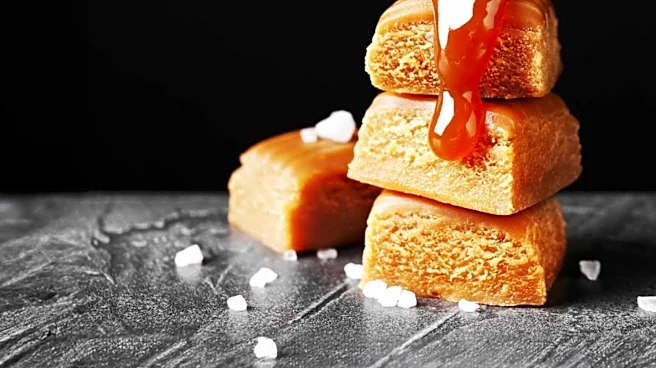






Fudge, a delightful confection crafted from sugar, butter, and milk, is renowned for its versatility in flavor and its distinct regional interpretations. While its origins trace back to the 19th-century United States, fudge has evolved to encompass a wide array of tastes and textures, making it a popular treat and a common gift item in tourist destinations. The characteristics of fudge, being softer than caramel yet firmer than fondant, provide a unique
base for these diverse flavor profiles.
Flavor Profiles Across the Globe
The flavorings of fudge can vary significantly depending on the region or country where it is made. In the United States, chocolate stands as a default and highly popular flavor. Beyond chocolate, peanut butter and maple are also common alternatives, showcasing a preference for rich and comforting tastes. When brown sugar is used as the primary sweetener, the confection is known as penuche, a variety typically found in New England and the Southern States. This regional distinction highlights how local ingredients and culinary traditions influence the development of specific fudge types.Across the Atlantic, in the United Kingdom, popular fudge flavors take on a different character. Rum-and-raisin, clotted cream, and salted-caramel are among the favored choices. These flavors reflect a blend of traditional British ingredients and contemporary culinary trends. The inclusion of clotted cream, for instance, points to a rich dairy heritage, while salted-caramel demonstrates a modern appreciation for complex flavor combinations. This global variation underscores fudge's adaptability to different palates and cultural preferences.
Characteristics and Similar Confections
Beyond its diverse flavors, fudge possesses distinct characteristics that set it apart from other sweets. Brown sugar, when used in fudge, imparts an acidic flavor, adding another layer of complexity to the confection. Its texture is a key defining feature: it is notably softer than caramel but more firm than fondant, striking a balance that contributes to its unique appeal. This specific textural quality allows fudge to be both melt-in-your-mouth and hold its shape, making it enjoyable in various forms.Fudge also shares similarities with another confection called tablet, particularly in Britain. Tablet, a Scottish sweet, is made with similar ingredients but is distinguished by its grainy, brittle texture. In Britain, various communities in the Midlands and Cornwall had been making local variations of tablet for centuries, which by the 1890s would retroactively be referred to as fudge. Cornish fudge, for example, traces its origins to the 18th century, with Cornish confectioners using clotted cream instead of milk to create their traditional version of tablet. This historical connection illustrates a shared lineage between these confections, even as their textures diverge.