






Endurance racing stands as a unique and demanding form of motorsport, specifically designed to push the boundaries of both mechanical equipment and human participants. Unlike shorter, sprint-style races, these events challenge teams to cover vast distances over extended periods, often requiring multiple drivers to share duties. The core principle revolves around durability and sustained performance, making consistency, reliability, and strategic planning
paramount over sheer, all-out speed. This discipline encompasses various vehicle types, from high-performance sports cars to karts and even motorboats, each facing its own set of rigorous trials.
Defining the Challenge: Distance and Time
At its heart, endurance racing is defined by its extended duration. Races can be structured in two primary ways: either to cover a predetermined distance in laps as quickly as possible, or to maximize the distance covered within a set timeframe. Common race lengths can range from approximately 500 kilometers (about 3 hours) or 1,000 kilometers (around 6 hours). However, the most iconic endurance events stretch far longer, including races that span 1,000 miles, 12 hours, or even a full 24 hours. These prolonged contests necessitate a different approach to racing, where conserving resources and maintaining a steady pace often outweigh aggressive, short-burst speed.
Teams in endurance racing typically consist of multiple drivers, usually between two and four per event. The exact number can vary depending on factors such as the drivers' individual endurance capabilities, the overall length of the race, and the specific rules governing each competition. This multi-driver format allows participants to take breaks, manage fatigue, and maintain peak performance throughout the grueling event, highlighting the human element of endurance alongside the mechanical.
Diverse Categories and Strategic Importance
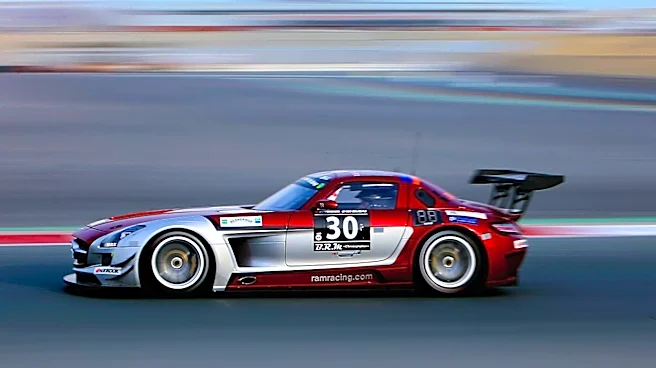
Endurance races frequently feature multiple categories of vehicles competing simultaneously, each in its own class. This adds another layer of complexity and excitement, as different types of cars, from prototypes to GT cars, navigate the same track. While multi-category races are common, events with a single vehicle category also exist, focusing the competition more intensely on driver skill and team strategy within a uniform field. The strategic importance of pit stops, fuel management, and tire conservation becomes critical in these long-distance events, often determining the outcome as much as raw speed.
Beyond automobiles, the concept of endurance racing extends to other forms of motorsport. Kart endurance racing, for instance, applies the same principles of extended duration and team effort to karting. These races can last from 30 minutes up to 24 hours or more, with the 24 Hours of Le Mans for karts being a notable example, held at the Alain Prost kart circuit in Le Mans, France, since 1986. Similarly, motorboat endurance racing, exemplified by events like the 24 Heures Motonautiques de Rouen, showcases the durability of marine equipment and the stamina of its operators over long periods on the water. These varied applications underscore the universal appeal of testing limits in motorsport.