







Animal collars are essential tools for pet owners and animal handlers, serving various purposes from identification to training. This article explores the different types of collars used for animals, highlighting their functions and the materials from which they are made.
Pet Collars: Identification and Control
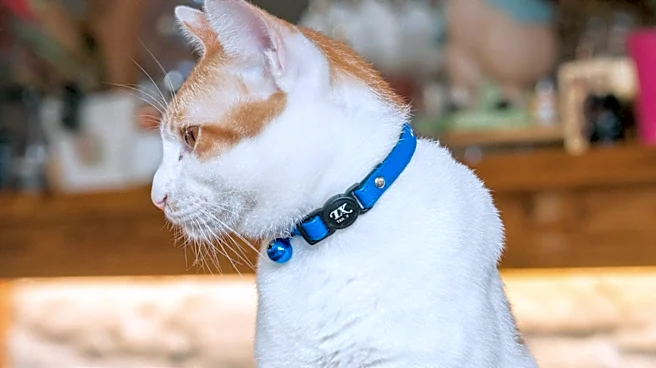
Pet collars are commonly used for animals such as dogs, cats, and even pigs. These collars serve multiple purposes, including control, identification, and fashion. Identification
tags and medical information are often attached to collars, making it easier for lost pets to be returned to their owners. Collars also provide a convenient handle for grabbing or leading an animal, ensuring better control during walks or training sessions.
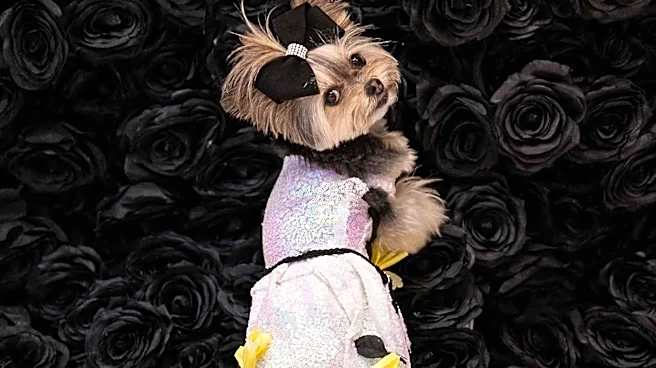
Pet collars are made from various materials, including leather, nylon, and metal. Metal collars are typically used for larger dogs due to their durability. Some collars come with traditional buckles, while others feature quick-release mechanisms for added safety. In addition to their practical uses, collars can also be a fashion statement, with many pet owners choosing collars that reflect their pet's personality.
Specialized Collars for Training and Safety
Beyond basic pet collars, there are specialized collars designed for training and safety. Anti-bark collars, for example, are used to train dogs to reduce excessive barking. These collars may use citronella spray, static shock, sonic signals, or vibrations to deter barking. Each type of anti-bark collar offers a different approach, allowing pet owners to choose the method that best suits their dog's temperament.
Safety collars, such as breakaway collars, are designed to prevent accidents. These collars release quickly when a small amount of pressure is applied, reducing the risk of strangulation if a pet becomes entangled. This feature is particularly important for cats, who may climb trees or explore tight spaces.
Collars for Livestock and Working Animals
Collars are not limited to household pets; they are also used for livestock and working animals. Horse collars, for instance, are designed to distribute the weight of a load evenly across a horse's shoulders, making it easier for the animal to pull heavy loads. These collars are robustly constructed and often padded for comfort.
Tracking collars are another important tool, allowing owners to monitor the location of their animals. These collars use GPS or radio signals to transmit location data, making them invaluable for tracking wildlife or locating lost pets. The technology behind tracking collars continues to evolve, offering more precise and reliable tracking capabilities.
In conclusion, animal collars are versatile tools that serve a wide range of functions. From basic identification to advanced tracking, collars play a crucial role in the care and management of animals, ensuring their safety and well-being.