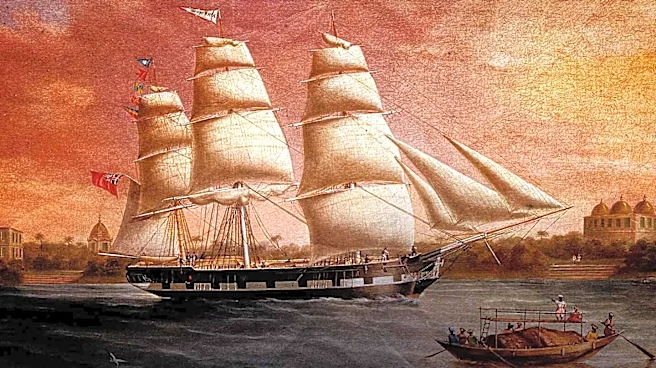





The Bombardment of Greytown on July 13, 1854, marked a significant moment in U.S. history, reflecting the country's evolving foreign policy and its enforcement of the Monroe Doctrine. This event, led by Captain George N. Hollins of the USS Cyane, was a response to an insult to the American minister and a demand for reparations from the town's residents. While the incident itself was minor, its implications for American foreign policy were profound.
The Context of the Bombardment
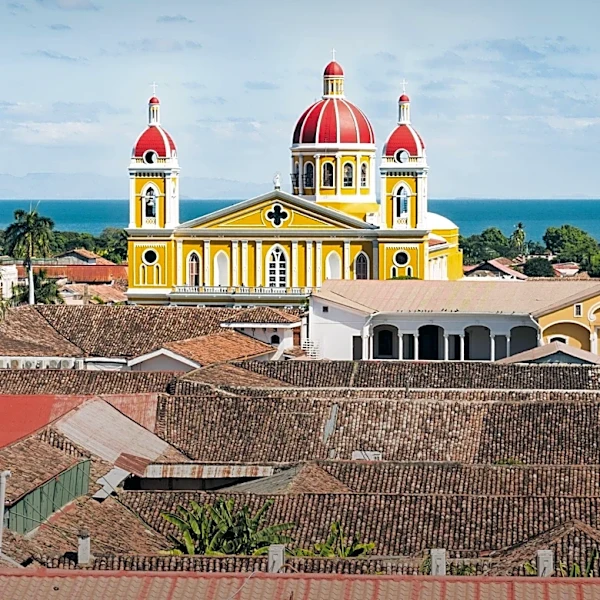
In the mid-19th century, Greytown, also known as San Juan del Norte, was a contested port on the Atlantic Coast of Central America. The town was strategically significant as it served as a key transit point for the Accessory Transit Company, which facilitated travel between the Atlantic and Pacific Oceans. The U.S. had vested interests in maintaining control over this route, which was crucial for trade and transportation.
The British had previously seized San Juan del Norte in 1848, renaming it Greytown, and incorporated it into the Mosquitia protectorate. This move was part of a broader strategy to prevent the U.S. from dominating the isthmian watercourse. The U.S. viewed the British protectorate as a subterfuge, complicating the geopolitical landscape of the region.
The Incident and Its Aftermath
The immediate cause of the bombardment was a series of events involving the American minister to Nicaragua, Solon Borland. During a visit to Greytown, Borland was involved in a confrontation where he prevented the arrest of an American steamboat captain who had killed a native boatman. This led to an altercation with the town's residents, resulting in Borland being slightly injured.
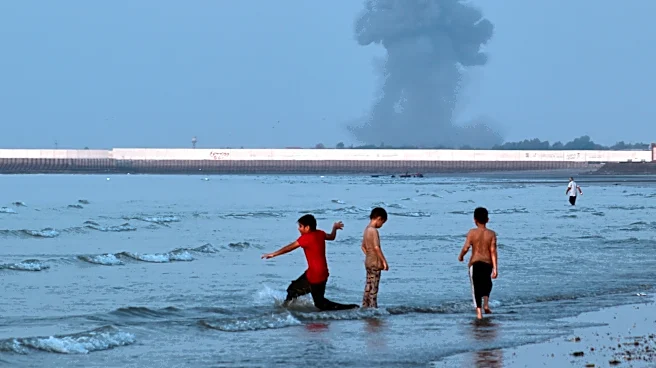
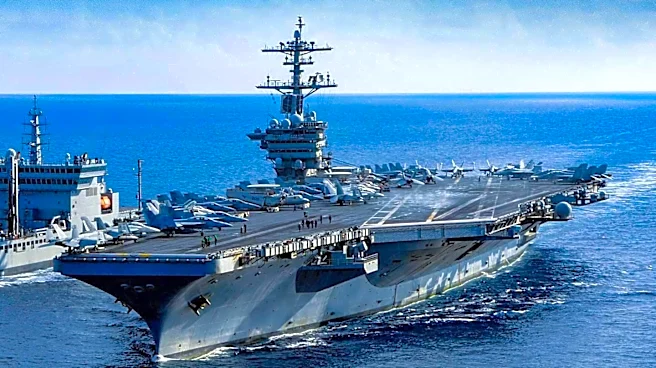
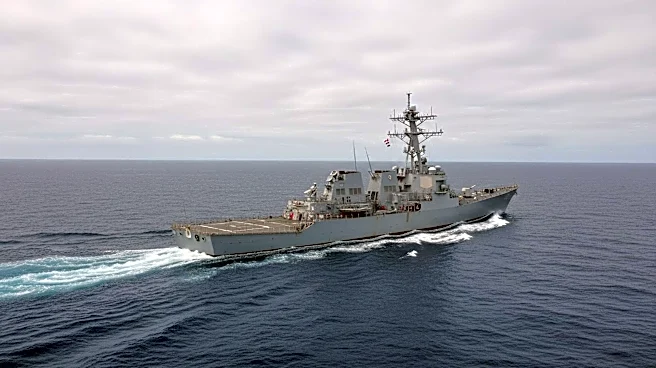
In response, the U.S. Navy, under orders from Secretary of the Navy James Dobbin, demanded reparations and an apology from Greytown. When the town failed to comply, Captain Hollins bombarded and burned it to the ground. Despite the destruction, there were no casualties, as the residents had fled.
The Broader Implications
The bombardment of Greytown had lasting implications for U.S. foreign policy. It demonstrated the U.S. government's willingness to use military force to protect its interests abroad, particularly in enforcing the Monroe Doctrine. This doctrine, which opposed European colonialism in the Americas, was a cornerstone of U.S. foreign policy.
The incident also highlighted the tensions between the U.S. and Britain over control of Central America. While the U.S. sought to expand its influence, the British aimed to maintain a foothold in the region. The bombardment of Greytown was a clear assertion of American power and a signal of its growing role on the international stage.