




Abu Dhabi, the capital city of the United Arab Emirates and the Emirate of Abu Dhabi, has a distinctive urban landscape shaped by ambitious planning and rapid development. The city is situated on a T-shaped island, extending into the Persian Gulf from the central-western coast of the UAE. Its urban design, particularly from the 1960s and 70s, was initially conceived to accommodate a maximum population of 600,000. This early planning embraced the urban ideals
of the era, resulting in a city characterized by high-density tower blocks and a grid-pattern road network. This foundational structure has profoundly influenced the city's growth and its ongoing efforts to manage a burgeoning population.
Architectural Layout and Green Spaces
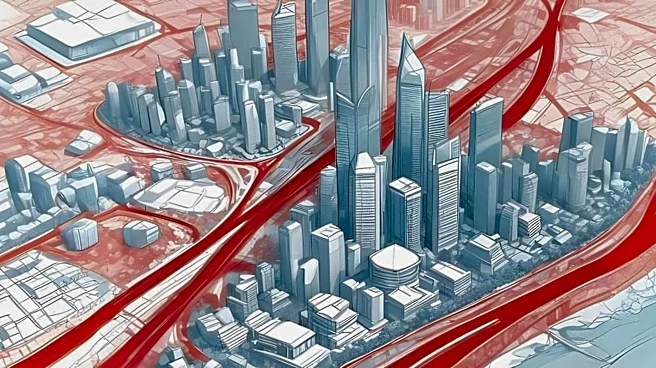
The population density in Abu Dhabi is highest on the northernmost part of the island. Here, the main streets are lined with numerous 20- to 30-story towers, arranged in a rectangular pattern. Within this framework, an ordinary grid pattern of roads connects lower-rise buildings, such as two-story villas or six-story structures. This combination has created a modern urban environment featuring tall office buildings, apartment complexes, broad boulevards, and bustling shops. Key thoroughfares include the Corniche, Airport Road, Sheikh Zayed Street, Hamdan Street, and Khalifa Street. Abu Dhabi is also notable for its extensive greenery; what was once a desert strip now boasts numerous parks and gardens, earning it a reputation for its verdant landscapes in the region.
Organized Road Network and Addressing System
The inner city roads and main arteries of Abu Dhabi are designed with a high degree of organization. Starting from the Corniche, all horizontal streets are assigned odd numbers, while all vertical streets are given even numbers. For instance, the Corniche is designated as Street No. 1, Khalifa Street as Street No. 3, Hamdan Street as Street No. 5, and Electra Street as Street No. 7. Conversely, Salam Street is identified as Street No. 8. This systematic numbering aids navigation, though historically, the city faced challenges with its addressing system. Mail delivery traditionally relied on post-office boxes, with door-to-door service primarily for commercial organizations. However, a new naming system called Onwani is currently overhauling the entire addressing system across the Abu Dhabi Emirate, with implemented phases proving successful and bringing the system up to international standards.
Utility Services and Environmental Initiatives
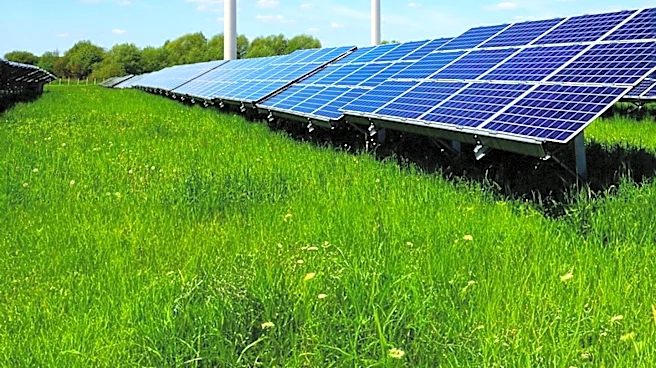
Abu Dhabi's utility services are robust, with desalinated water supply and power production managed by the Abu Dhabi Water and Electricity Authority (ADWEA). In 2006, ADWEA supplied 560.2 million imperial gallons per day (MiGD) of water, against an estimated demand of 511 MiGD for 2005–06. Groundwater, desalinated potable water, and treated sewage effluent are significant water sources, with the Umm Al Nar storage being the largest at 40.6 MiGD. Despite these efforts, the city faces acute water shortages due to falling groundwater levels and rising population density, with each resident using approximately 550 liters (120 imperial gallons; 150 US gallons) of water daily. The city also produces 1,532 tonnes of solid waste daily, managed by the Abu Dhabi Municipality at three landfill sites. In terms of electricity, the city's per capita consumption was about 41,000 kWh in 2007, with a total supply of 8,367 MW. To reduce carbon emissions, the Noor Abu Dhabi solar park project, the world's largest, was completed in 2019 as part of the UAE's Energy Strategy 2050, aiming for a 70% reduction in power generation carbon emissions.
Modern Challenges and Future Vision
The rapid development of Abu Dhabi has presented several urban organization challenges. The city's population has far exceeded the original estimated maximum for which it was designed, leading to issues such as traffic congestion, a shortage of parking spaces, and overcrowding. In response, the Abu Dhabi Urban Planning Council (UPC) was established in 2007. The UPC is the expert authority behind the visionary Plan Abu Dhabi 2030 Urban Structure Framework Plan, published in September 2007, and is responsible for the future of Abu Dhabi's urban environments. The council is also developing similar plans for the Al-Ain and Al-Gharbia regions, demonstrating a proactive approach to managing the city's growth and ensuring sustainable development.