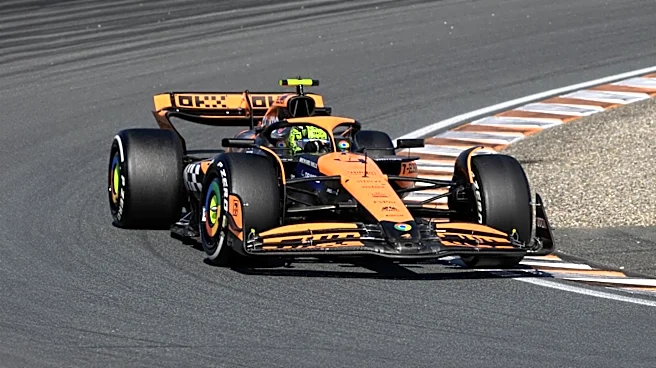





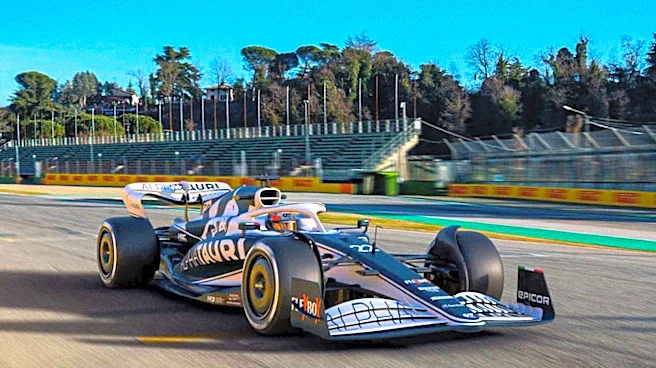
In the high-octane world of Formula One, the fastest lap is a coveted achievement, a testament to a driver's skill and a car's engineering excellence. Over the decades, certain drivers have etched their names into the record books by consistently delivering the quickest circuits during races. Beyond individual prowess, the relentless pursuit of speed has also driven significant technological advancements, with engineers and researchers constantly
seeking ways to shave precious seconds off lap times through innovative design and powertrain configurations. This blend of human talent and cutting-edge technology defines the essence of Formula One's quest for ultimate speed.
The Dominance of Formula One's Fastest Lap Record Holders
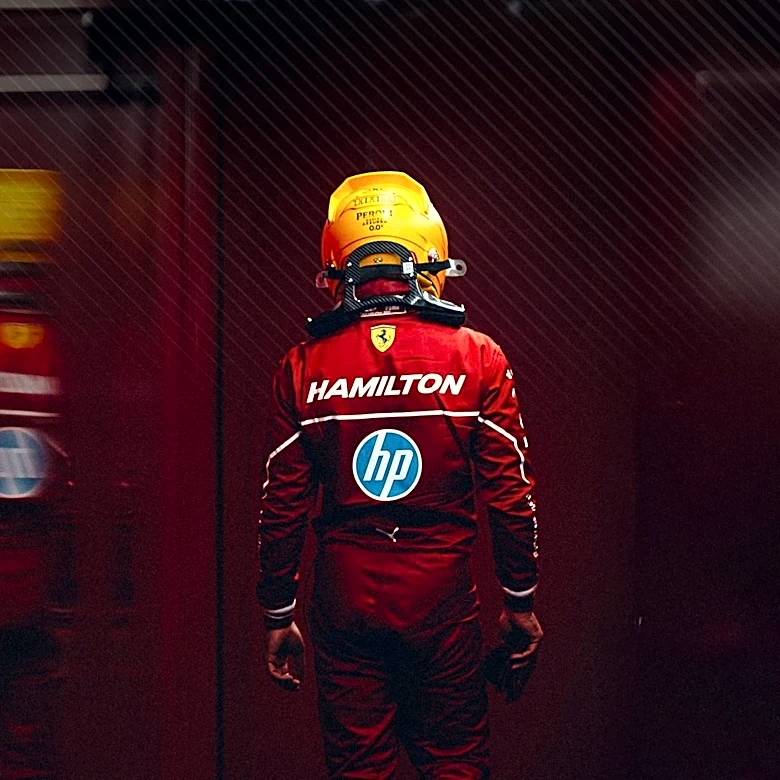
When it comes to sheer speed over a single lap, Michael Schumacher stands as the undisputed leader in Formula One history, having recorded an astonishing 77 fastest laps. His remarkable career showcased a consistent ability to extract maximum performance from his machinery. Following him closely is Lewis Hamilton, with 69 fastest laps, demonstrating his own incredible pace and longevity in the sport. These two titans of Formula One have set a high bar, with Kimi Räikkönen in third place with 46 fastest laps, followed by Alain Prost with 41, and Sebastian Vettel with 38. Max Verstappen, a contemporary force, is also rapidly climbing this prestigious list with 37 fastest laps.
These statistics highlight not only individual talent but also the sustained excellence required to achieve such numbers over many seasons. The DHL Fastest Lap Award, established in 2007, further recognizes this consistency by honoring the driver with the most fastest laps in a season. Lewis Hamilton has won this award six times, more than any other driver, underscoring his exceptional ability to deliver rapid laps year after year. The award considers not just the number of fastest laps but also other factors like second and third fastest laps in case of a tie, emphasizing the importance of consistent speed.
Engineering the Edge: Hybrid Powertrains and Aerodynamics
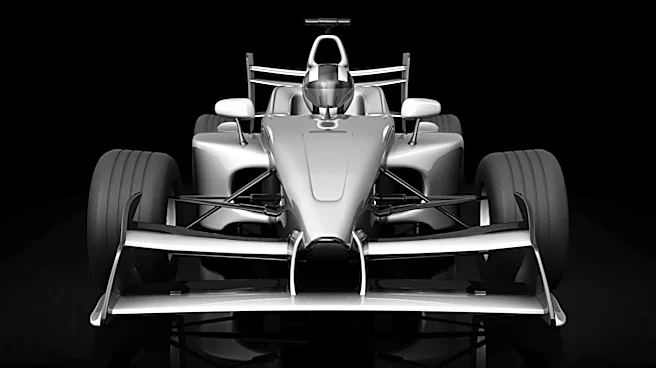
The pursuit of faster lap times in Formula One is not solely dependent on driver skill; it is heavily influenced by continuous engineering innovation. Recent studies, such as the LeMans endurance project, have explored reconfiguring Formula One racecars to enhance their speed. By optimizing powertrain configurations, researchers have demonstrated the potential to drastically reduce fastest lap times. One such study designed a powertrain configuration that cut the fastest lap time achievable by a standard Formula One racecar by over 20 seconds, showcasing the immense impact of advanced engine and energy recovery systems.
Aerodynamics also plays a critical role in achieving superior lap times. A researcher at Durham University investigated the aerodynamic effects on Formula One racecars, focusing on how to make them more efficient and, consequently, faster. The study emphasized that a Formula One racecar's lap time advantage largely stems from its cornering performance. Enhancing tire grip, which leads to more friction and less slippage, allows cars to navigate corners at higher speeds, thereby decreasing overall lap times. Furthermore, increasing powertrain power and reducing aerodynamic drag are crucial factors that contribute to achieving a faster lap time. These ongoing studies and developments underscore the intricate relationship between driver, car, and the relentless pursuit of speed in Formula One.