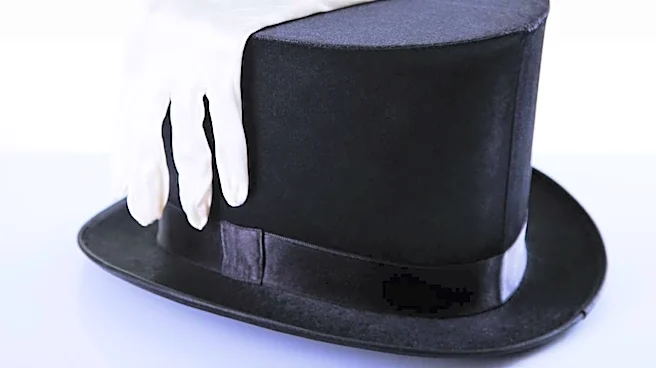











The bowler hat, a hard felt hat with a rounded crown, is a unique blend of style and functionality. Created in 1849 by London hat-makers Thomas and William Bowler, the hat was commissioned by Lock & Co. Hatters to protect gamekeepers' heads from low-hanging branches. Its design and practical features have made it a staple in various professions and cultures, showcasing its versatility and enduring appeal.
Design and Durability
The bowler hat was designed to be durable and
protective, addressing the needs of gamekeepers who previously wore fragile top hats. The Bowler brothers crafted a close-fitting, low-crowned hat that could withstand the rigors of outdoor work. Edward Coke, who commissioned the hat, tested its strength by stamping on it twice, satisfied with its durability.
This practical design quickly gained popularity among the working classes in the UK, Ireland, and the US. Its ability to stay on in strong winds made it a favorite among cowboys and railroad workers in the American West. The bowler hat's durability and functionality were key factors in its widespread adoption.
Style and Sophistication
While the bowler hat was initially a practical accessory, it soon became a symbol of style and sophistication. In London's financial district, known as the City of London, the hat was part of the quintessential attire for businessmen, referred to as "City gents." Paired with a buttonhole and walking stick, the bowler hat conveyed an image of refinement and professionalism.
This tradition of wearing bowler hats with business attire persisted until the 1970s. Although its popularity declined, the image of a City gent with a bowler hat remains a representation of Englishmen. The bowler hat's association with sophistication is further evidenced by its use in logos, such as the British building society Bradford & Bingley.
Versatility Across Cultures
The bowler hat's design has allowed it to integrate into various cultures, becoming a symbol of identity and tradition. In South America, it was introduced to Bolivia by British railway workers in the 1920s and became part of womenswear among the Quechua and Aymara peoples. In the Philippines, it was worn by national hero José Rizal during his execution, symbolizing the history of the Philippine Revolution.
Despite its decline in everyday fashion, the bowler hat continues to be a cultural icon, representing different facets of history and tradition across the globe. Its blend of style and functionality has ensured its place in the annals of fashion history.