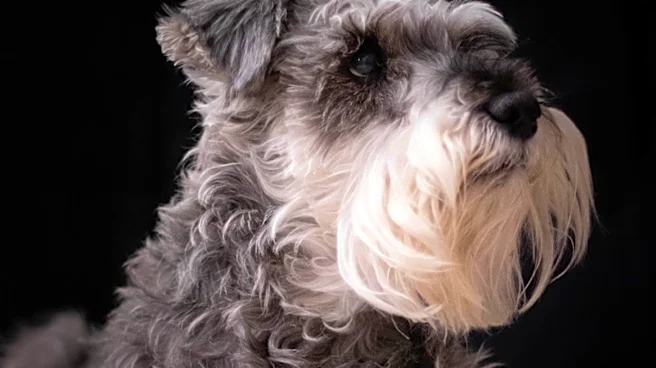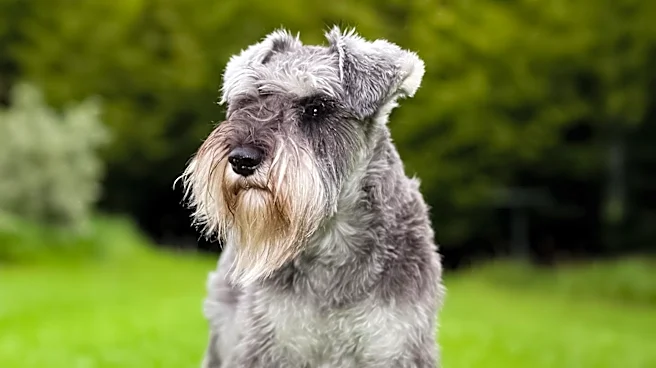







The Standard Schnauzer is renowned for its versatility and adaptability as a working dog. Originating in Germany, this breed has been employed in various roles, from ratting and guarding to serving as a loyal companion. Its robust build and keen intelligence have made it a valuable asset in both rural and urban settings. This article explores the diverse roles the Standard Schnauzer has played throughout its history.
Early Roles and Responsibilities
The Standard Schnauzer's working
history dates back to the 1880s in southern Germany, where it was initially developed as a utility dog. Known for its ratting abilities, the Schnauzer was commonly used as a stable dog, helping to control vermin populations in barns and stables. Its keen sense of smell and agility made it an effective ratter, earning it the nickname "Rattler."
In addition to its ratting duties, the Schnauzer was also employed as a carriage dog, accompanying travelers and providing protection against potential threats. Its alert nature and protective instincts made it an ideal guardian, capable of defending both people and property. This dual-purpose role as a ratter and guard dog established the Schnauzer as a versatile and reliable working breed.
Transition to Urban Environments
As industrialization progressed, the Standard Schnauzer's role evolved to meet the demands of urban environments. The breed's adaptability allowed it to transition from rural farms to city life, where it continued to serve as a watchdog and protector. Schnauzers were often found guarding factories, breweries, and other commercial establishments, where their presence deterred intruders and safeguarded valuable assets.
The breed's intelligence and trainability also made it suitable for more specialized roles. During World War I and World War II, the Schnauzer was utilized as a military dog, performing tasks such as message delivery and search and rescue operations. Its ability to learn and execute complex commands made it an invaluable asset in military settings.
Modern Applications and Companionship
Today, the Standard Schnauzer continues to be a versatile working dog, participating in various activities such as obedience, agility, and search and rescue. Its protective instincts and loyalty make it an excellent family companion, while its intelligence and energy ensure it thrives in active households.
Despite its working origins, the Schnauzer has also become a popular companion animal, cherished for its affectionate nature and playful demeanor. Its moderate size and manageable grooming needs make it a practical choice for families and individuals alike.
In conclusion, the Standard Schnauzer's history as a working dog is a testament to its adaptability and versatility. Whether serving as a ratter, guardian, or companion, the Schnauzer has consistently demonstrated its value and reliability, earning its place as a beloved and respected breed.