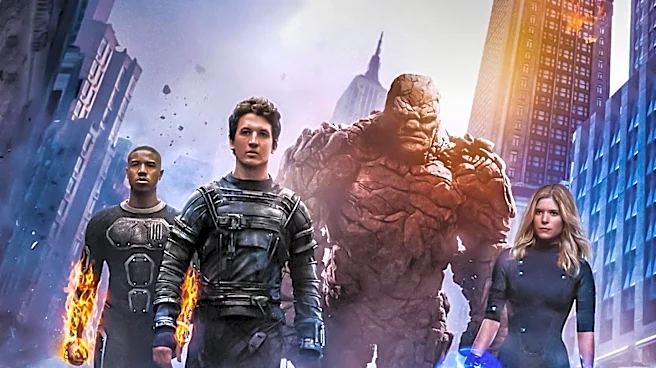





The release of the Fantastic Four film in 2005 marked a significant moment in the evolution of superhero cinema. As one of the early adaptations of a Marvel Comics property, it played a crucial role in shaping the landscape of superhero films that followed. This article delves into the cultural and cinematic impact of the 2005 Fantastic Four film, examining how it influenced the genre and set the stage for future adaptations.
Setting the Stage for Superhero Films
The Fantastic Four film
was released at a time when superhero movies were beginning to gain traction in Hollywood. With its release on July 8, 2005, the film contributed to the growing popularity of comic book adaptations. Despite receiving generally negative reviews from critics, it managed to gross $333.5 million worldwide, demonstrating the commercial viability of superhero films.
The film's success at the box office highlighted the potential for comic book properties to attract large audiences, paving the way for future superhero films. It showcased the appeal of bringing beloved comic book characters to life on the big screen, encouraging studios to invest in similar projects. The Fantastic Four film played a part in establishing the superhero genre as a staple in modern cinema.
Influence on Future Adaptations
The 2005 Fantastic Four film also influenced the way superhero stories were adapted for the screen. By focusing on the origin story of the Fantastic Four, the film set a precedent for exploring the transformation and development of characters in superhero narratives. This approach became a common theme in subsequent superhero films, as audiences were drawn to the journey of characters gaining and mastering their powers.
Additionally, the film's portrayal of the Fantastic Four's dynamic as a team of superheroes with distinct abilities and personalities influenced the depiction of superhero teams in later films. The interplay between characters like Reed Richards, Sue Storm, Johnny Storm, and Ben Grimm provided a template for future ensemble superhero films, emphasizing the importance of character relationships and teamwork.
Legacy and Continued Relevance
While the 2005 Fantastic Four film may not have been a critical darling, its impact on the superhero genre is undeniable. It contributed to the growing popularity of superhero films and influenced the way these stories were told on screen. The film's legacy can be seen in the continued interest in the Fantastic Four as a property, with multiple reboots and adaptations following its release.
As the superhero genre continues to evolve, the 2005 Fantastic Four film remains a noteworthy chapter in its history. It serves as a reminder of the genre's early days and the potential for comic book adaptations to capture the imagination of audiences worldwide. Despite its flaws, the film's impact on superhero cinema is a testament to the enduring appeal of the Fantastic Four and their place in the pantheon of iconic superheroes.