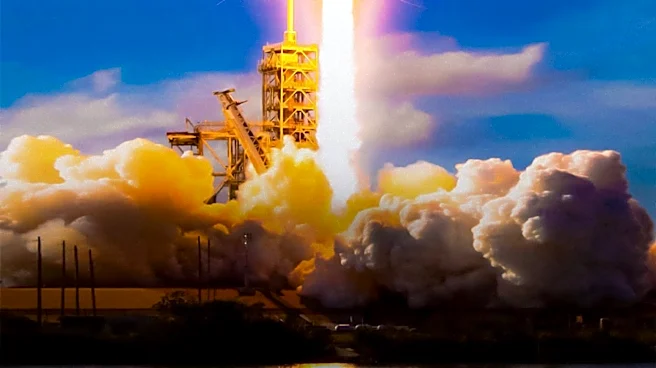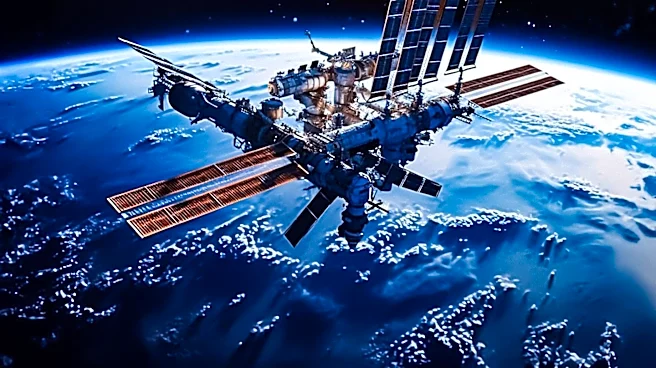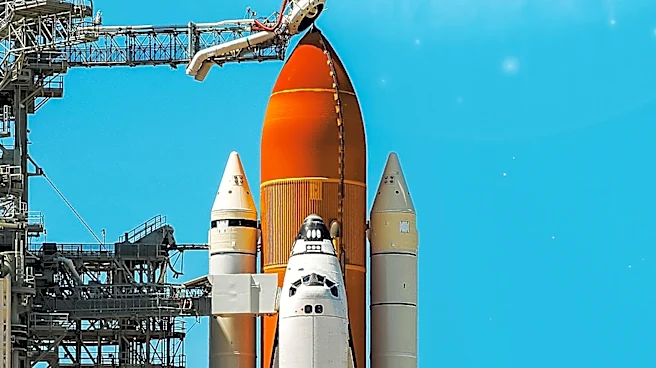

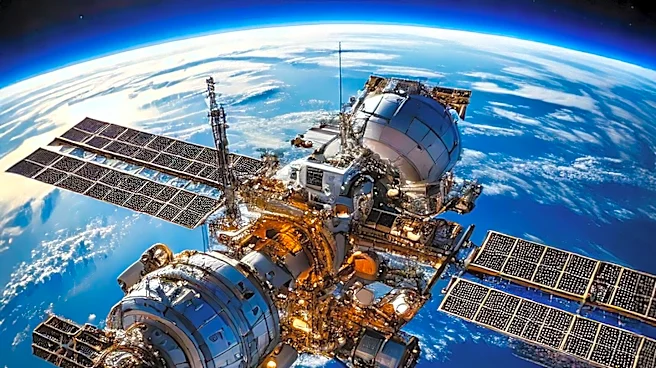
STS-135 was not only the final mission of NASA's Space Shuttle program but also a pivotal moment in the transition of space operations. Launched on July 8, 2011, aboard the Space Shuttle Atlantis, this mission was crucial in delivering supplies to the International Space Station (ISS) and marked a shift towards new resupply methods. The mission's technological and logistical aspects highlight the innovation and adaptability of NASA's space operations.
Technological Innovations
The STS-135 mission showcased several technological advancements, including the use of the Raffaello Multi-Purpose Logistics Module. This module was packed with essential supplies and scientific equipment, ensuring the ISS's continued operation through 2012. The mission also carried the Robotic Refueling Mission (RRM), developed by the Goddard Space Flight Center, to demonstrate technology for refueling satellites in orbit.
The mission's reduced crew size of four astronauts allowed for the maximization of payload carried to the ISS. This strategic decision ensured that the mission could deliver the necessary supplies while maintaining safety protocols. The crew was custom-fitted for Russian Sokol space suits and Soyuz seat liners, preparing for potential contingencies.
Logistical Challenges
STS-135 faced several logistical challenges, including budgetary constraints and the need for careful planning. Initially, the mission was not included in NASA's budget, raising concerns about its feasibility. However, program managers decided to proceed with STS-135, changing its designation from STS-335 to STS-135 on the flight manifest. This decision allowed for necessary training and preparations, ensuring the mission's success.
The mission's preparations included emergency drills and countdown simulations, emphasizing the importance of readiness and adaptability. The crew's arrival at Kennedy Space Center was marked by a countdown dress rehearsal, highlighting the mission's significance and the crew's preparedness.
Transition to New Methods
The conclusion of STS-135 marked a transition in NASA's space operations, paving the way for new resupply methods. With the end of the Space Shuttle program, the Commercial Orbital Transportation Services program took over resupply missions to the ISS. This shift represented a new era in space exploration, focusing on commercial partnerships and innovative technologies.
STS-135's successful completion demonstrated NASA's ability to adapt and innovate, leaving a lasting legacy in the field of space exploration. As the shuttle program officially ended, it set the stage for future advancements and collaborations in human spaceflight.