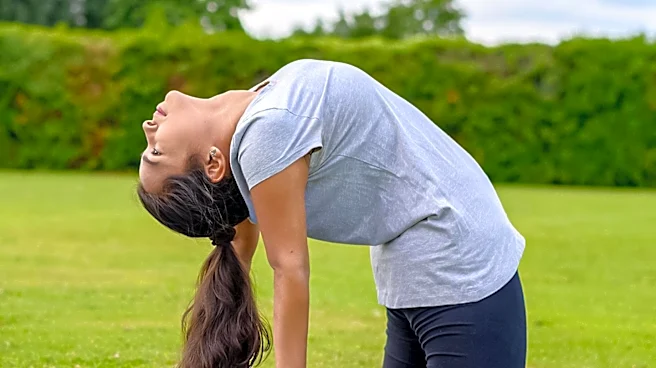





Camel Pose, known as Ustrasana in Sanskrit, is a kneeling back-bending posture in modern yoga. This article delves into the origins and etymology of this asana, providing insights into its historical significance and linguistic roots. Understanding the background of Camel Pose can enhance appreciation for its role in yoga practice.
Historical Roots of Ustrasana
Ustrasana, or Camel Pose, is a part of modern yoga as exercise, but its roots can be traced back to ancient practices.
The name itself is derived from Sanskrit, with "Ushtra" meaning "camel" and "Asana" meaning "posture" or "seat." This linguistic connection highlights the pose's resemblance to the hump of a camel, emphasizing the deep backbend involved.
The historical development of Ustrasana reflects the evolution of yoga from traditional spiritual practices to contemporary physical exercise. While the exact origins of the pose are not detailed in the source, its inclusion in modern yoga sequences like Bikram Yoga suggests a blend of ancient techniques with modern adaptations.
Linguistic Significance
The Sanskrit name Ustrasana provides a glimpse into the cultural and linguistic heritage of yoga. Sanskrit, an ancient language of India, is often used to name yoga poses, reflecting the deep connection between language and spiritual practice. The term "Ushtra" signifies the camel, an animal known for its resilience and ability to endure harsh conditions, symbolizing the strength and flexibility required in the pose.
The use of Sanskrit in naming yoga poses serves not only as a nod to tradition but also as a way to preserve the cultural integrity of yoga. By understanding the etymology of Ustrasana, practitioners can gain a deeper appreciation for the pose and its place within the broader context of yoga.
Modern Adaptations and Variations
In contemporary yoga practice, Ustrasana has been adapted into various forms to accommodate different levels of flexibility and experience. One notable variation is Ardha Ustrasana, or Half Camel Pose, which offers a modified version of the full pose. This variation can involve placing hands on the hips or using one hand on the heel and the other arm stretched back over the head.
These adaptations demonstrate the versatility of Ustrasana and its ability to cater to a wide range of practitioners. The use of supports like yoga bricks further illustrates the pose's adaptability, allowing individuals to experience the benefits of the backbend while maintaining proper alignment and safety.
Understanding the origins and etymology of Camel Pose enriches the practice of yoga, offering a window into the historical and cultural dimensions of this popular asana. As yoga continues to evolve, the significance of poses like Ustrasana remains rooted in tradition, providing a bridge between ancient wisdom and modern exercise.