

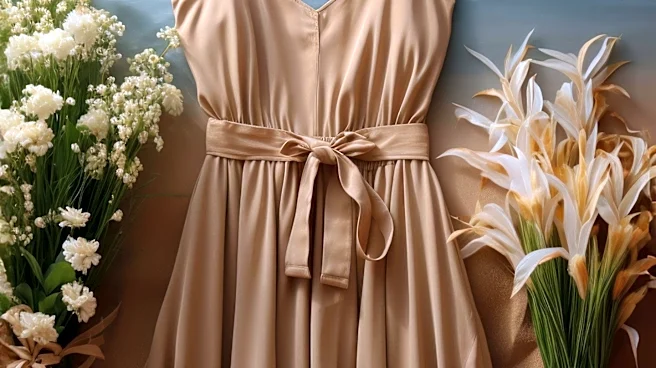
Pleats are a fascinating element in the world of textiles, serving both practical and aesthetic purposes. These deliberate folds in fabric are commonly used in clothing and upholstery to manage the width of fabric through gathering. Pleats can be pressed into sharp creases or left unpressed to fall in soft, rounded folds. This article delves into the dual roles pleats play in fashion, highlighting their functional benefits and stylistic contributions.
Practical Benefits of Pleats
Pleats are not just about style; they offer significant practical advantages. In clothing, pleats provide freedom of movement, making garments more comfortable to wear. This is particularly important in activewear, where flexibility and ease of movement are crucial. For instance, pleats are often incorporated into women's golf and tennis wear, allowing athletes to move freely without restriction.
In upholstery, pleats help manage the width of fabric, making it easier to fit large pieces into smaller spaces. This is especially useful in creating tailored looks for furniture, where excess fabric needs to be gathered neatly. The ability to narrow fabric through pleating is a valuable technique in both fashion and interior design, ensuring functionality without compromising on style.
Stylistic Contributions of Pleats
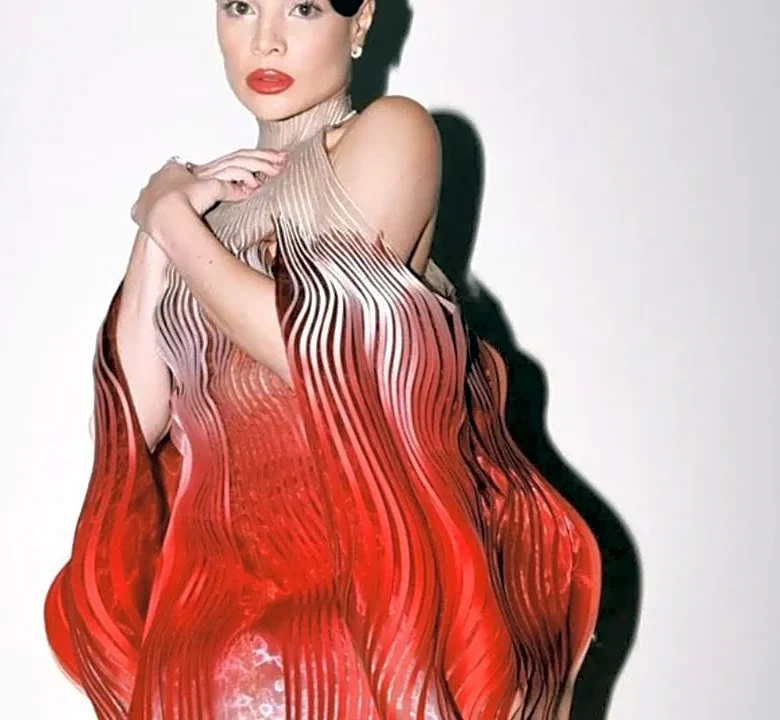
Beyond their practical uses, pleats are a powerful stylistic tool. They add texture and dimension to garments, transforming simple fabrics into intricate designs. Pleats can create visual interest and movement, as seen in box pleats that spring out from the waistline, adding fullness and drama to skirts.
Different types of pleats, such as accordion pleats, offer unique aesthetic effects. Accordion pleats create a zigzag pattern that expands with movement, adding dynamic flair to garments. This type of pleating inspired the "skirt dancing" of Loie Fuller, showcasing how pleats can enhance performance art through their visual impact.
The Versatility of Pleats
Pleats come in various forms, each offering distinct characteristics. Knife pleats, for example, are basic pleats used for gathering purposes, forming a smooth line rather than springing away from the seam. Box pleats, on the other hand, are knife pleats placed back-to-back, creating a bulkier seam and more fullness.
Other pleat types, like cartridge pleats, allow fabric to spring out from seams without adding bulk, making them ideal for historical garments with full skirts. Fortuny pleats, set in silk fabrics, remain a mystery due to their secret pleat-setting process, adding an element of intrigue to fashion history.
Pleats are a testament to the creativity and innovation in textile design, offering both functionality and style. Whether in clothing or upholstery, pleats continue to be a versatile and essential element in the world of fashion and design.